

HOW DID ENGLAND GET TEA?
A PRINCESS, SAILORS & TEA SPY
From China to East India Company & Afternoon Tea
STREAM ON



HOW TEA CAME TO ENGLAND
AN EMPIRE BUILT ON TEA
By the 1800s, tea wasn’t just England’s favourite drink — it was the engine of an empire. Tea profits financed the Industrial Revolution, and the British East India Company’s monopoly on the China tea trade swelled it into something no merchant had ever been: a pseudo-government with its own fleets and armies. At its peak in 1832 the Company commanded 450 vessels, not counting warships — the force behind “an empire on which the sun never set.”
LOVE FOR TEA BREWED ROMANCE AND WARS
TEA FOR OPIUM: FIRST OPIUM WAR
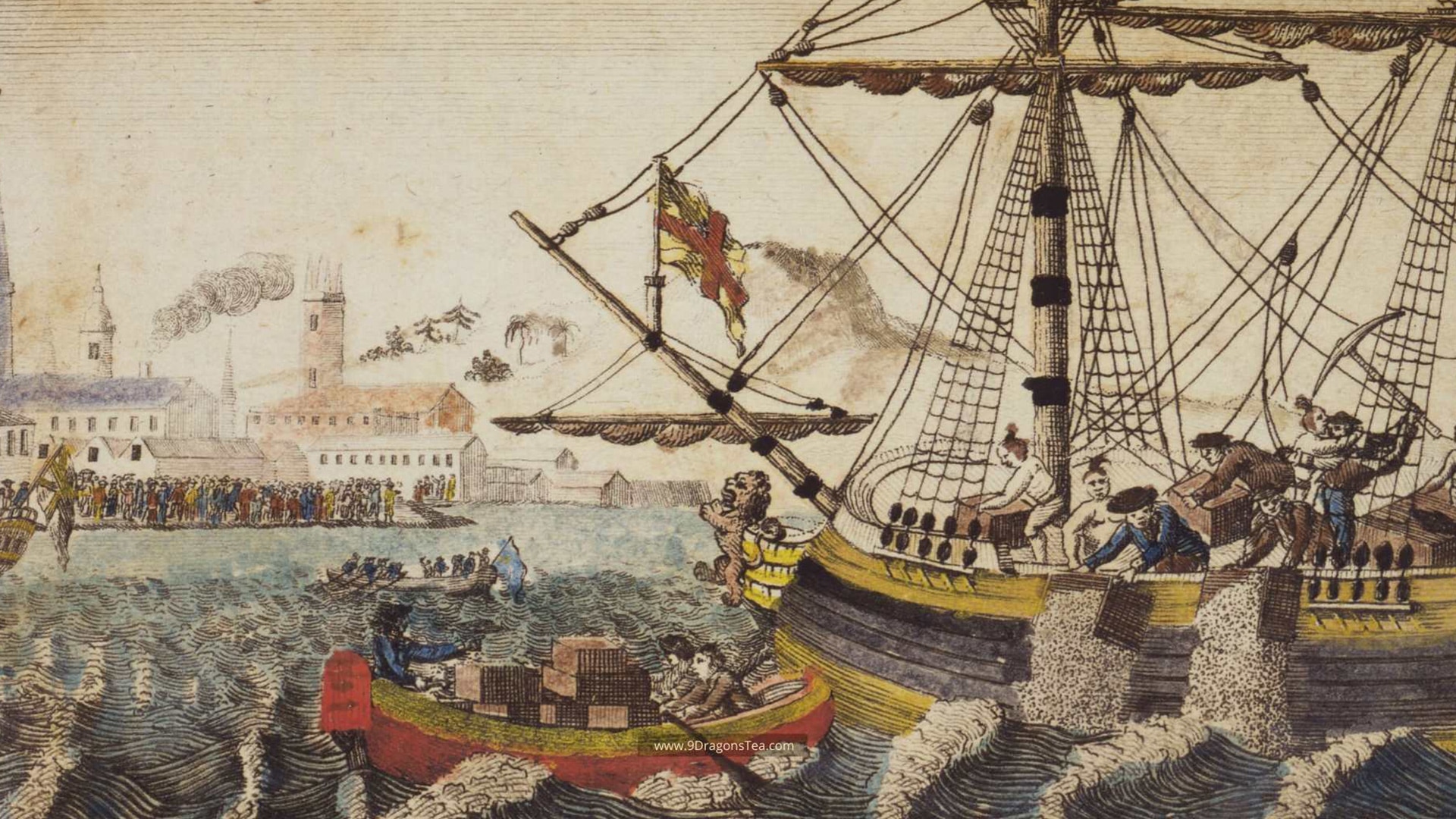
To satisfy Britain’s unquenchable thirst, the British East India Company flooded China with opium — igniting two Opium Wars. The love of tea in the American colonies sparked the American Revolution and the Boston Tea Party.
The First Opium War paved the way for the Great Tea Heist, culminating in the grandest, most elaborate, and successful botanical expedition with a singular mission — to smuggle the ancient Chinese tea secret into British India and to other colonies such as Ceylon (now Sri Lanka), forever changing the course of tea in the world.
ALL FOR THE LOVE OF TEA
THE FIRST OPIUM WAR: OPIUM FOR TEA
HOW THE LOVE FOR CHINESE TEA LED TO WARS
Britain’s thirst for Chinese tea drained its silver eastward — so to balance the books, it flooded Indian-grown opium into China. When China resisted, the “Battle of the Botanicals” erupted into the First Opium War (1839–1842). Not everyone in Britain was proud of it. A young Member of Parliament named William Gladstone — who would go on to serve four terms as prime minister (1868–1894) and be remembered as a humanitarian and reformer — rose to condemn it. (At the time, his own 24-year-old sister was addicted to laudanum, a legal opium-and-wine painkiller.)
"A war more unjust in its origin, a war calculated in its progress to cover this country with a permanent disgrace, I do not know and have not read of.
Justice, in my opinion, is with them [the Chinese]; and whilst they, the Pagans, the semi-civilized barbarians have it on their side, we, the enlightened and civilized Christians, are pursuing objects at variance both with justice and with religion… that flag is become a pirate flag, to protect an infamous traffic."
— William Gladstone, House of Commons, 1840
THE DRINK OF HARMONY
BEFORE THE WARS, THERE WAS LOVE
TEA: A ROYAL ROMANCE IN ENGLAND
HOW A PRINCESS BROUGHT TEA TO ENGLAND
Every empire has an origin story — and England’s began not with a war, but with a royal wedding. In 1662, the Portuguese princess Catherine of Braganza sailed to England to marry King Charles II, and tucked among her treasures was a habit unknown to the English court: she drank tea.
CATHERINE OF BRAGANZA, 1662

There was just one delicious irony: only the Dutch East India Company — Britain’s great trading rival — was bringing tea to Europe at the time. So when the British East India Company wanted to gift tea to their own new queen, they had no choice but to buy it from the Dutch. A humbling errand that planted a fierce ambition: Britain would build a tea empire of her own.
ORIGIN OF HOW TEA CAME TO ENGLAND
Raised among the tea-loving aristocracy of Portugal, Catherine couldn’t bear to be without it. The story goes that the very first thing she asked for upon landing in England was a soothing cup of tea — only to be offered a mug of ale instead. Tea was simply too rare and precious to be found waiting for her.
But where a queen led, society followed. Catherine made tea the most fashionable drink in the land, and a quiet Chinese custom became the heartbeat of English high society — a romance that would, in time, reshape the world.
HOW TEA CAME TO ENGLAND
ONCE UPON A TEA-TIME...
FROM THE ENGLISH COURT TO THE ARISTOCRATS
How did tea come to England? It all began in China. By the time this humble drink reached English shores, tea (茶) had been cherished in China for thousands of years — and until the mid-1800s, China was the only land on earth that knew how to grow, make, and drink it. Tea was a Chinese national drink a thousand years before the first cup was ever poured in England.
England’s romance with tea blossomed in 1662, when the Portuguese princess Catherine of Braganza — a devoted tea lover — married King Charles II and made the drink the height of courtly fashion. But long before a queen gave tea its glamour, it arrived as a curious novelty, sipped by the wealthy in London’s new coffee houses and prized for its mysterious medicinal powers.
One of its earliest admirers left us the very first written taste of English tea-time:
In 1660, the famous diarist Samuel Pepys — the blogger of his day — recorded his very first taste of tea:
"I did send for a cup of tee (a China drink) of which I had never drank before."
— Samuel Pepys, Diary, 1660
THE DRINK OF HARMONY
THE HISTORY OF TEA IN ENGLAND
HOW TEA CAME TO ENGLAND: TIMELINE
FROM CHINESE MOUNTAINSIDES TO THE BRITISH TEAPOT
From a 5,000-year-old Chinese tea secret to the Great Tea Race of 1866, here’s the full journey of how tea came to England — at a glance.
| Year | Milestone | Why It Mattered |
|---|---|---|
| c. 2737 BC | Tea discovered in China (Emperor Shennong 神农) | Tea's 5,000-year story begins in China — millennia before England. |
| 1600 | Queen Elizabeth I charters the British East India Company (英国东印度公司) | The trading giant that would carry tea — and empire — is born. |
| mid-1600s | Dutch traders bring the first tea to England | England tastes tea through its rivals; the leaf is a rare, costly luxury. |
| 1657 | London coffee houses begin selling the "China drink" | Tea enters public life as an exotic novelty for the wealthy. |
| 1662 | Catherine of Braganza marries King Charles II | A tea-loving Portuguese princess makes tea the fashion of the English court. |
| early 1700s | Britain imports ~1 million pounds of tea a year | Tea filters from the court down through every level of society. |
| 1757 | Canton (广州) sealed as China's sole Western trading port | Every chest of tea bound for England must pass through one gateway. |
| 1750s | Tea overtakes beer as England's most popular drink | A national obsession — and a tax goldmine worth ~10% of British revenue. |
| Dec 16, 1773 | The Boston Tea Party | 340 chests of British-held Chinese tea dumped in protest — a spark of the American Revolution. |
| 1839–42 | The First Opium War | Britain's tea-trade silver drain leads to war with China — and the taking of Hong Kong. |
| c. 1840 | Afternoon Tea invented (Anna, 7th Duchess of Bedford) | A graceful ritual of scones, sandwiches and fine porcelain is born. |
| 1848–56 | The Great Tea Heist (Robert Fortune) | On two trips deep into China — including the Wuyi Mountains (武夷山) — Robert Fortune smuggles out Chinese tea plants, seeds, tools, tea masters, and tea-making know-how into Darjeeling and Assam. |
| 1856 | India's commercial tea cultivation begins | Britain finally grows its own tea — from stolen Chinese stock. |
| 1866 | The Great Tea Race | 16 clippers race 16,000 miles; Taeping beats Ariel by 28 minutes. |
Sources: TEA: The Drink That Changed The World, and historical record.
Once upon a tea-time
How did tea come to England? It all began in China. By the time this wholesome drink made its way to England, tea drinking had been around in China for more than four thousand years! Until the mid 19th century, China was the only country on earth that knew how to cultivate and process tea. Tea became a Chinese national symbol about a thousand years before the first English person tasted it.
Our documentary film, 9 Dragons Tea, details the evolution and history of tea. This page focuses on how Camellia Sinensis, the beautiful tea plant and her beloved beverage, came to England.
The British romance with tea began when Portuguese Princess Catherine of Braganza, a tea lover, married King Charles II of England in 1662. Turned out, England’s new queen played a pivotal role in the fate of tea around the world centuries later. Discover the full story in the documentary.
Birth of the British East India Company
On a fateful night, New Year’s Eve 1600, Queen Elizabeth I chartered the formation of Governor and Company of Merchants of London Trading Into The East Indies (whew, what a mouthful). This was thankfully shortened to The British East India Company (BEIC). Aka John Company, the Honorable English East India Company, and simply The Company.
The BEIC would become the most powerful entity on the planet for more than 200 years. The British Empire dominated the tea trade, waged wars, and relentlessly drove the Crown’s reach throughout the world. More on this later.
Tea Leaves Began Swirling Toward England
The BEIC first imported tea via Java (Indonesia) in 1669, decades after the Dutch did.
How much tea was in that first order? A measly 140 pounds, primarily as a gift to the King’s new bride:
The first thing Princess Catherine of Braganza asked for when she first arrived in England in 1662 was a cup of tea. Although tea in Britain was available as a novelty in London’s coffee houses then, it was uncommon and not to be found for her in Portsmouth. Instead, she was offered a small ale (probably warm).
Before marrying King Charles II, Princess Catherine was already an avid tea drinker. The popularity of tea was deeply rooted among the Portuguese aristocracy by the early 1600s.
England’s Budding Interest In Tea
A decade later, the BEIC glutted the London market with 5,000 pounds of tea, both Green tea and Black tea (all imported from China), and held its first tea auction on March 11, 1679. However, tea drinking hadn’t caught on with the general public at this time, as tea was an exotic and expensive beverage with medicinal values consumed by the wealthy.
In 1660, the famous diarist (blogger of those days) Samuel Pepys wrote about his first tea tasting, “I did send for a cup of tee (a China drink) of which I had never drank before…
English Tea Trade with China
In 1689, China finally granted the British a trading post in the port of Canton (nowadays Guangzhou). The BEIC imported its first tea directly from China, nearly 90 years behind the Dutch. And her thirst grew as tea shops sprang up everywhere in England.
Blossoming of British Tea Culture
By the early 18th century, 1 million pounds of tea were imported. Tea drinking had become increasingly popular among the upper class, and it quickly filtered throughout society like tea steeping from tea bags. That is why just about every English person you meet drinks tea today.
Growing Thirst For Tea
By the 1750s, tea had become the most popular drink in England, outselling even beer! Tea’s high profit margins created a money-making machine for the British government, accounting for 10% of annual tax revenue.
British Addiction to Tea
The English fervent need for tea and its riches led to serious consequences–Two Opium Wars against China, loss of the American colonies, and continued expansion of her global empire.
WHAT'S THE GREAT ENGLISH TEA DEBATE?
Are you a Miffy or a Tiffy? Milk poured first makes you a Miffy. Tea first makes you a Tiffy — and the British have cheerfully argued it for centuries. Explore the full story of how the British adopted Chinese tea culture and make it their own. Stream TEA: The Drink That Changed The World on Amazon.
HOW THE ANCIENT CHINESE TEA SECRETS GOT OUT
ONE PLANT. ONE DRINK. ONE SPY.
THE TEA SPY WHO STOLE CHINA'S GREATEST SECRET
For over 2,000 years, the secret of how to make tea stayed locked inside China. The legendary Wuyi Mountains (武夷山) — immortalized in Tang Dynasty poetry — produced the world’s finest teas. Then the British East India Company sent one man to infiltrate these forbidden tea regions deep inside the celestial kingdom. His mission: steal the long-held state secret and transplant tea to British India — culminating in the most audacious case of industrial espionage in history. How did the Scottish botanist and tea-hunter — aptly named Robert Fortune — pull this off? Watch this fascinating story unfold in TEA: The Drink That Changed The World.

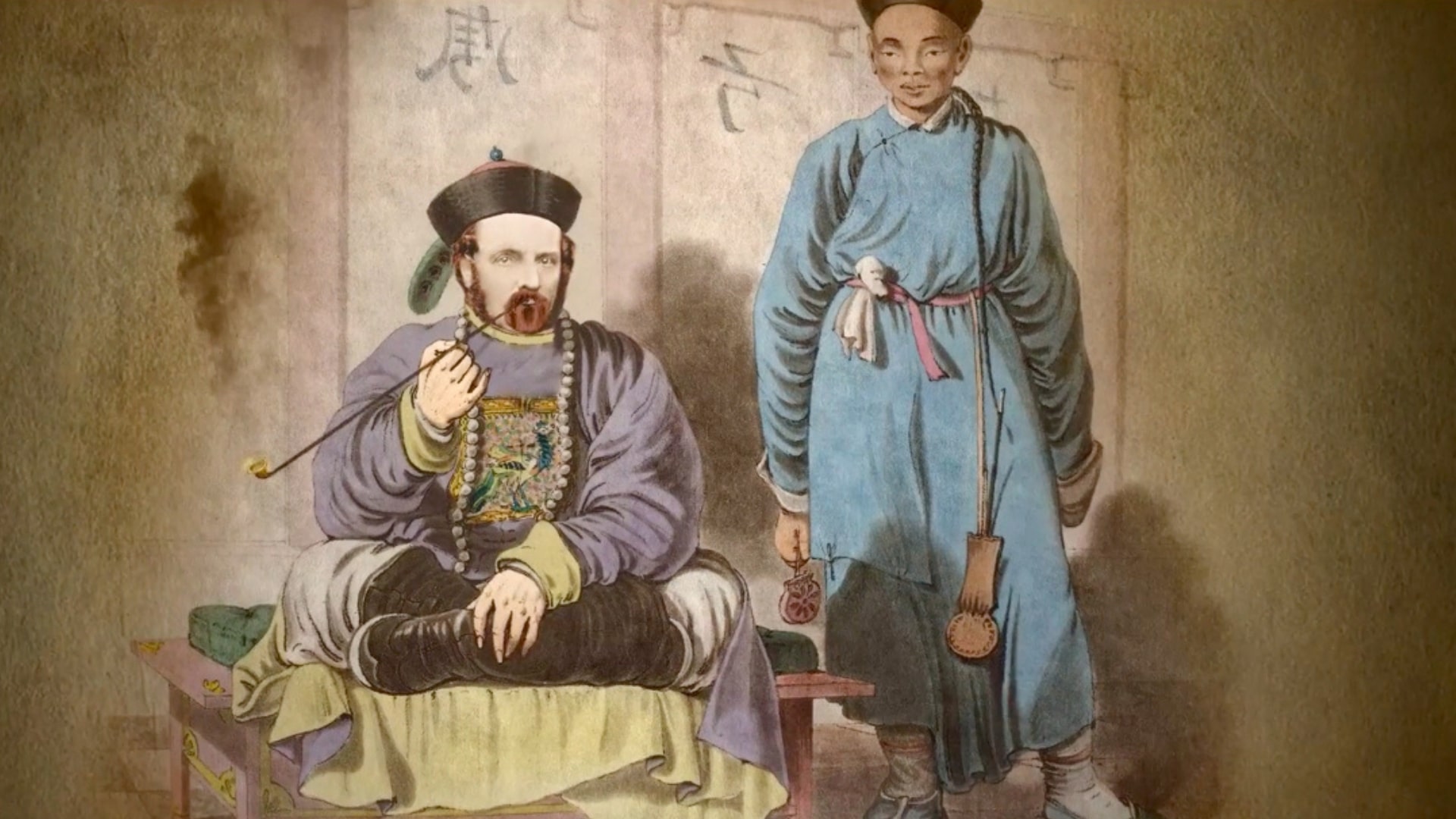



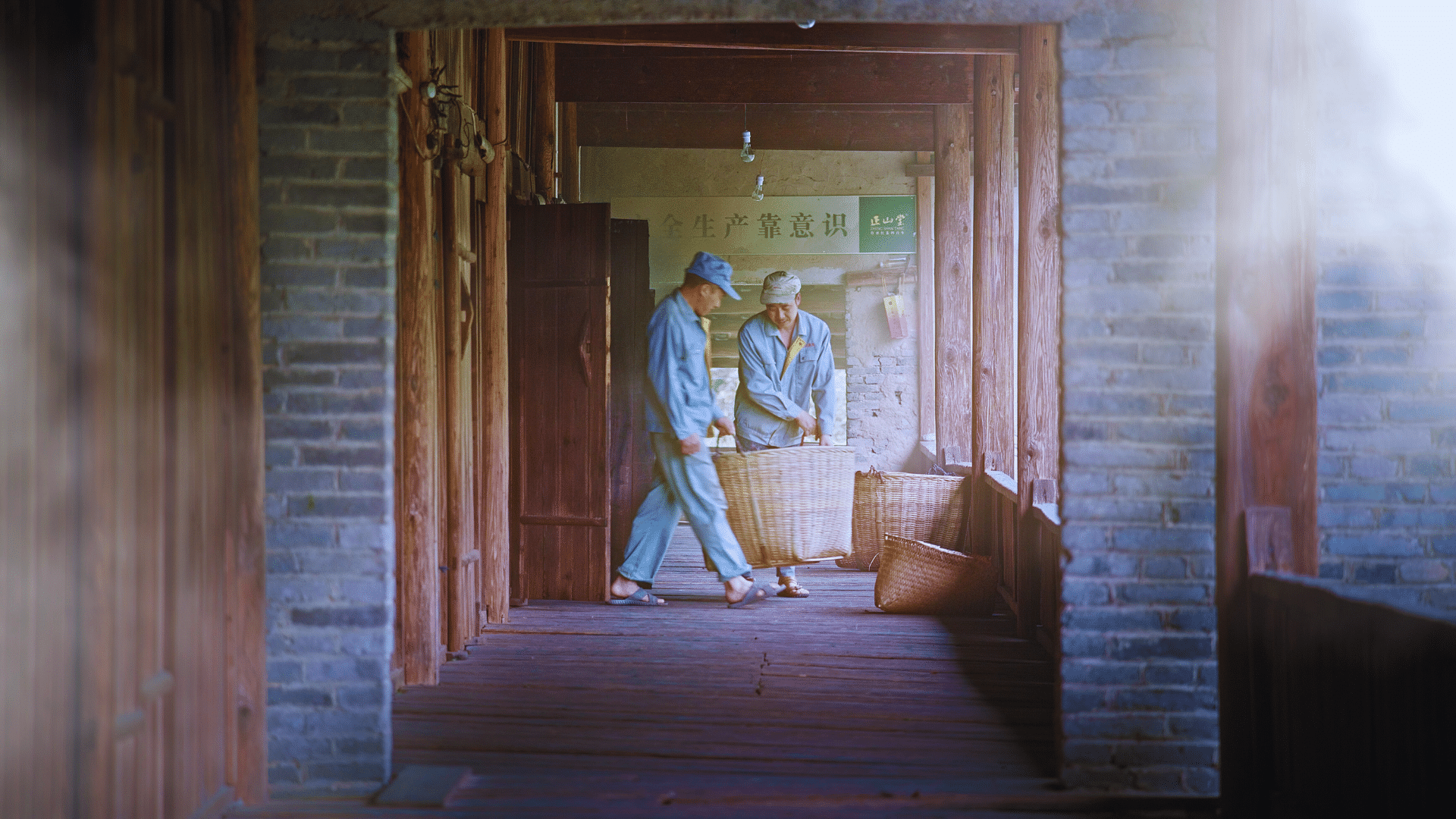


INSIDE CHINA'S FORBIDDEN TEA REGIONS
HOW TEA CAME TO ENGLAND: EPIC JOURNEY
FROM THE HEART OF TEA: WUYI MOUNTAINS
Behind the Scenes of TEA: THE DRINK THAT CHANGED THE WORLD. On location in the forbidden tea regions of Wuyi Mountains with generational tea masters demonstrating ancient tea-making craft — including a 24th-generation direct descendant of the inventor of Black tea and 11th and 12th-generation Oolong tea masters. Explore the fascinating Chinese tea culture and living tea traditions behind every type of tea enjoyed worldwide today.

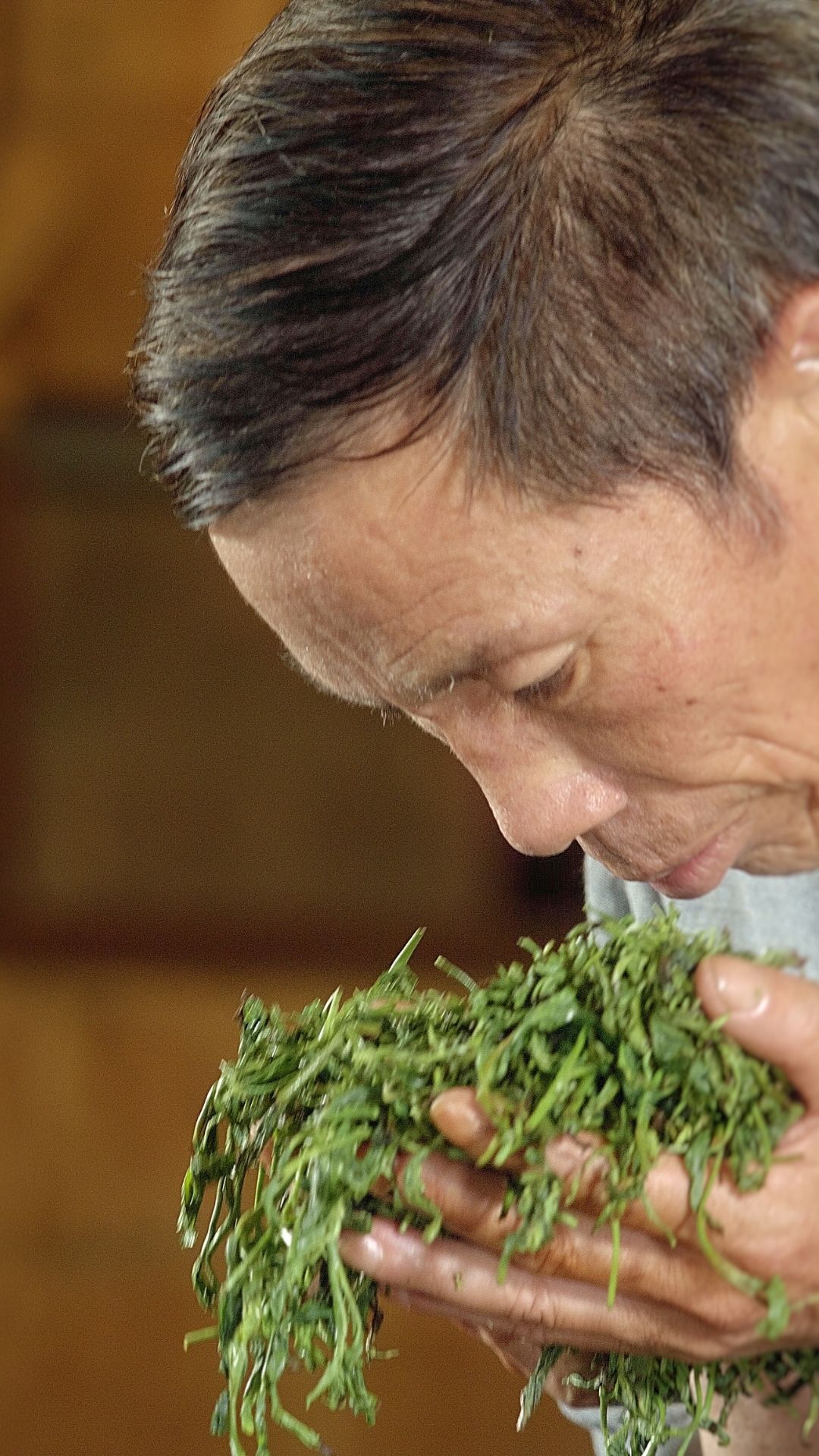
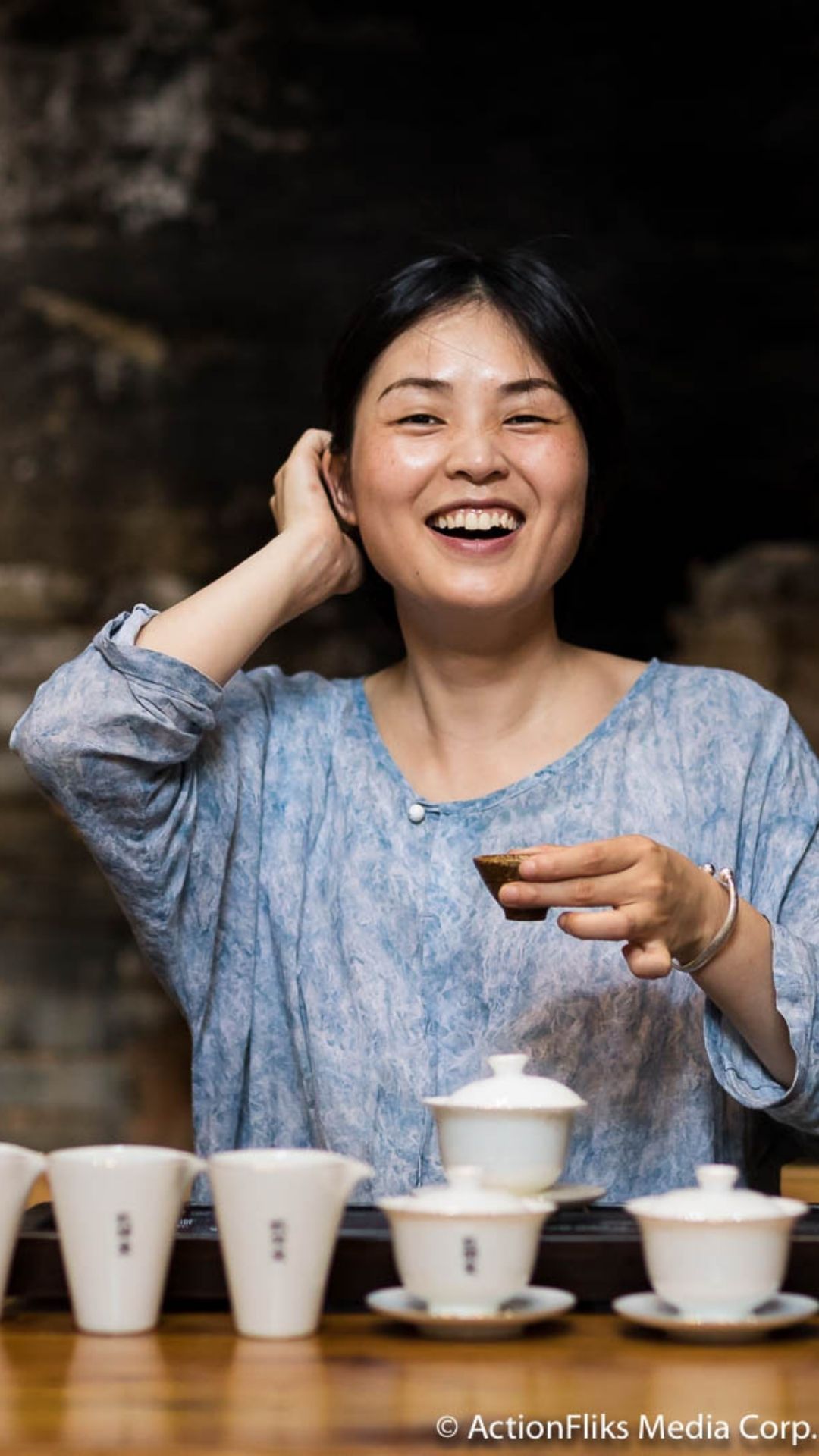
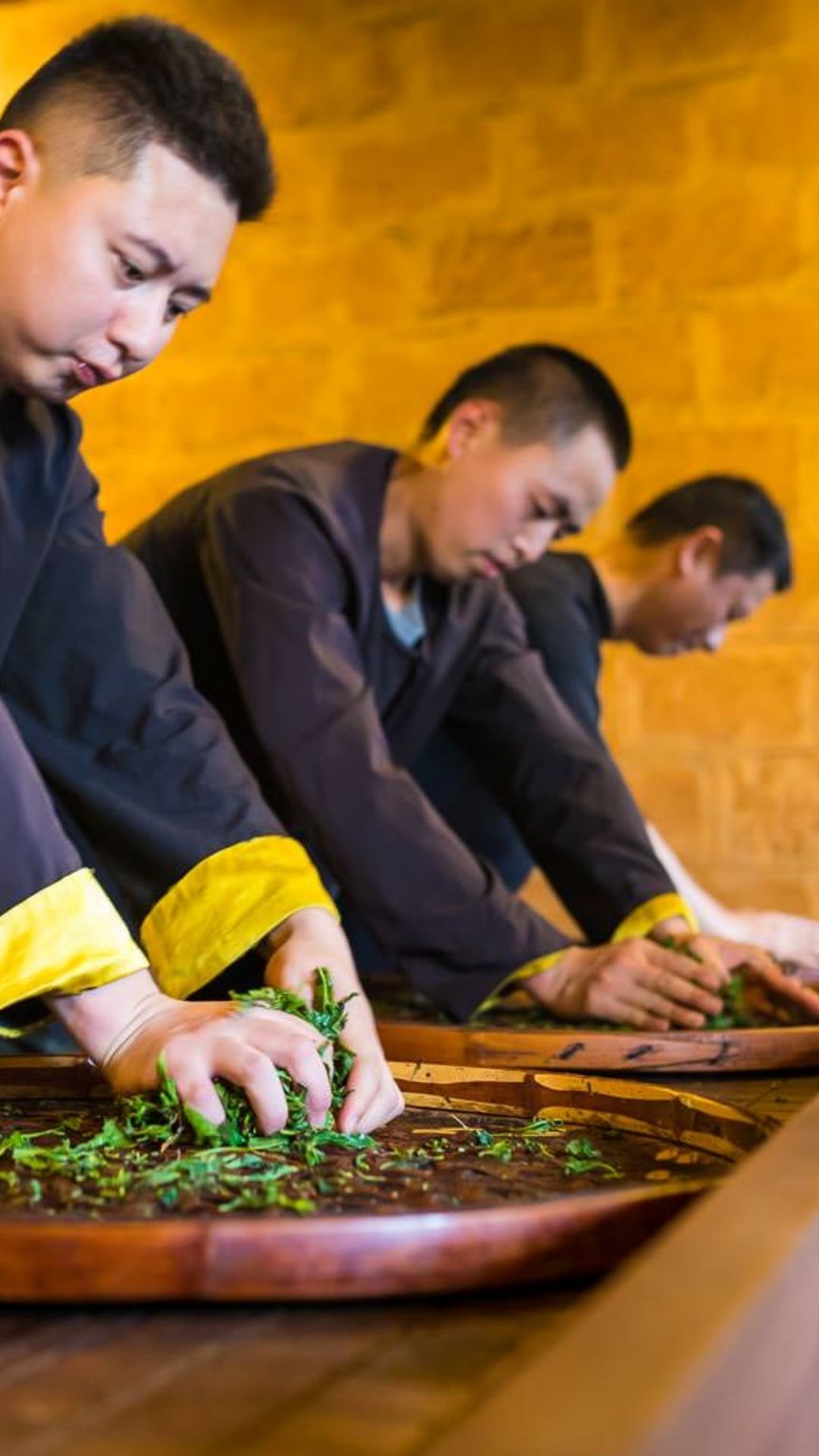
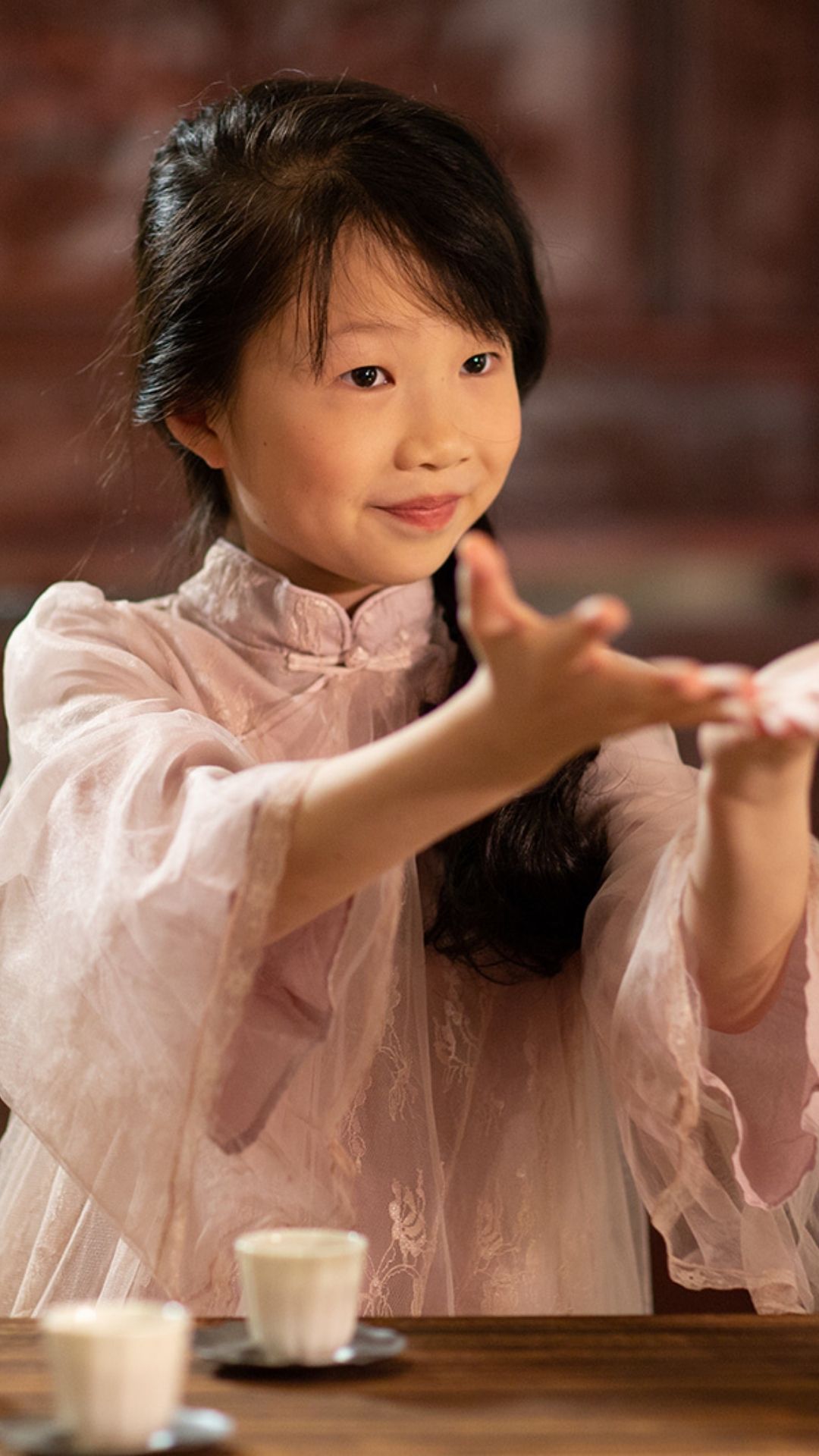

A Cup Of History.
Mesmerizing. Captivating. Fascinating.
ON LOCATION — TEA DOCUMENTARY
Christy Hui directing on the Stream of the Nine Windings — Wuyi Mountains, China's forbidden tea regions — with film crew capturing this historical tea waterway and its impact on tea culture.

FASCINATING TEA HISTORY & MYSTERY
TEA: The Drink That Changed The World reveals the never-before-told story of tea's epic journey from China's mystical origins to a global phenomenon. Shot in China's forbidden tea regions of the Wuyi Mountains—the birthplace of Oolong and Black tea—this 90-minute documentary uncovers the most audacious tea heist in history.
Featuring exclusive interviews with generational tea masters, including the 24th-generation descendant of Black tea's inventor, you'll discover how tea, the simple drink, sparked the American Revolution, fueled the British Empire, and became humanity's most favorite drink. From ancient Buddhist temples to historic Boston Harbor, this cinematic masterpiece transforms how you see your daily cup of tea.
HOW TEA SPREAD IN THE BRITISH EMPIRE
TEA CULTURE: FROM WUYI TO THE WORLD
DISCOVER UNTOLD TEA HISTORY AND MYSTERY
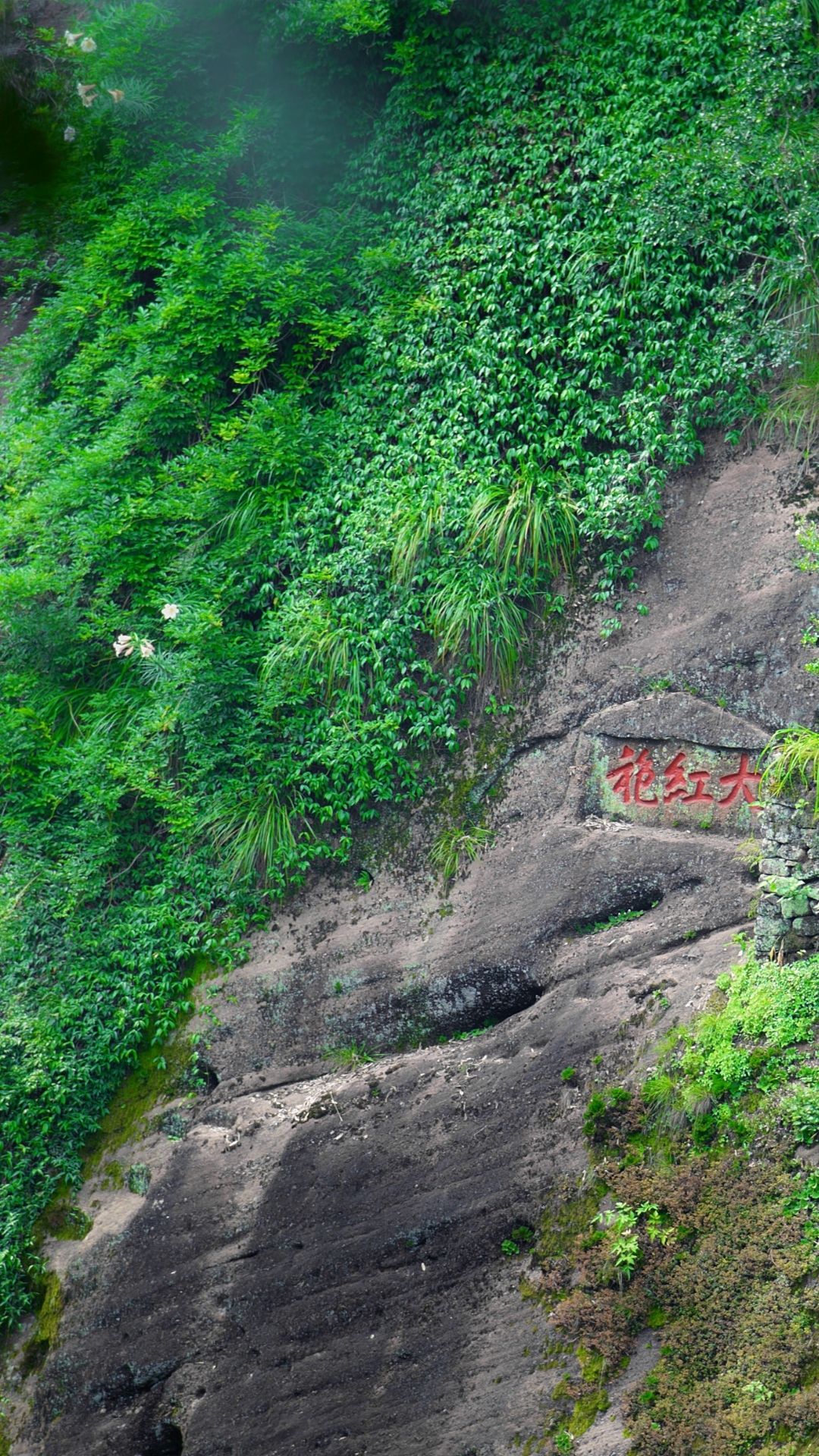
From the sacred Wuyi Mountains, the birthplace of Da Hong Pao and historic Black tea, this simple drink traveled the world — carried by Buddhist monks to Japan, by Western empires to Europe — sparking romance, wars, and spirits of independence and culminating in the most audacious, oldest case of industrial espionage. Explore how Chinese tea culture spread worldwide and became the global phenomenon it is today.


DA HONG PAO MOTHER TREES

GONG FU CHA TEA TASTING
GONG FU CHA tea tasting was invented to taste Oolong tea by the Buddhist monks of the Mother Temple, homegrown in the Wuyi Mountains, Fujian, China.
FREQUENTLY ASKED QUESTIONS ABOUT HOW TEA CAME TO ENGLAND
What Is the History of Tea?
The history of tea is the 5,000-year story of how a single Chinese plant, Camellia sinensis (茶, chá), became a simple beverage — and the world's most popular drink after water. It begins around 2737 BC, when the divine emperor Shennong (神农) discovers tea as a healing medicine, and unfolds across every major Chinese dynasty — from Lu Yu's first book on tea in the Tang Dynasty, to the birth of black tea in the Ming Dynasty and Oolong in the Qing Dynasty, to the Boston Tea Party and the boldest tea heist in history. Up until the mid-1800s, China was the only nation on earth that knew how to make tea, from cultivation to processing to tasting. Today, every cup still traces back to China. Step into the 5,000-year history of tea, from ancient China to tea's spreading to Japan, Europe, England, America, and India, in the documentary TEA: The Drink That Changed The World at teadocumentary.com/watch. Also stream free on YouTube and Tubi. For ad-free viewing, stream the TEA documentary on Amazon.
Who Invented Tea?
Tea originated in China, where legend tells the story of the divine emperor Shennong's (神农) discovery of tea in the wild in 2737 BC. According to the ancient story, a leaf from a wild tea tree drifts into Shennong's pot of boiling water, and the first cup of tea is born — first prized as medicine. In ancient China, Buddhist monks first took up tea cultivation, tea-making, and tea-drinking as a means of spiritual enlightenment. Then tea became China's national beverage during the Tang dynasty (618–907 AD), and Chinese tea culture reached new heights. Over the millennia, China invented all six types of tea: white tea, yellow tea, green tea, oolong tea, black tea (which the Chinese call red tea, 红茶), and Pu-erh tea (普洱茶, or hei cha 黑茶). Up until the mid-1800s, China was the only country on earth that knew how to make tea. So how did tea spread from China around the globe? Unearth the history of tea in the documentary, TEA: The Drink That Changed The World, at teadocumentary.com/watch. Also stream free on YouTube and Tubi. For ad-free viewing, stream the TEA documentary on Amazon.
Where Does Tea Come From?
Tea comes from China — and all six types of tea are made from one plant, Camellia sinensis (茶树), whose name literally means "Chinese tea." What makes them different isn't the plant, but how the leaves are picked and processed. The oldest tea plants grew in China's southwestern provinces of Yunnan (云南) and Sichuan (四川) — home of Pu-erh (普洱茶) — where tea drinking dates back more than 2,000 years to the Han Dynasty. Tea was a Southerner's drink at first; the world-famous types came later from the southeastern coast — Oolong (乌龙茶) and Black tea (红茶, which the Chinese call Red tea) from the Wuyi Mountains (武夷山) of Fujian (福建), and Longjing green tea (绿茶) from Zhejiang (浙江). By the Tang dynasty, tea had become China's national beverage and cultural icon. From there it began its journey across the world — carried first to neighboring Japan and Taiwan by traveling monks returning home from China, then by trade to Russia, Europe, England, and the Americas. But how did tea spread to India, Sri Lanka (Ceylon), and beyond in the mid-1800s? Discover the history of tea — and the Great Tea Heist that forever transplanted it from China to India — in the documentary, TEA: The Drink That Changed The World, at teadocumentary.com/watch. Also stream free on YouTube and Tubi. For ad-free viewing, stream the TEA documentary on Amazon.
When Was Tea Discovered?
Tea was discovered in China around 2737 BC — making it roughly 5,000 years old, the oldest beverage on Earth. Legend tells of the divine emperor Shennong (神农), who is said to have found tea growing wild and boiled the leaves into a healing tonic. The oldest tea plants grew in the southwestern provinces of Yunnan (云南) and Sichuan (四川), where tea drinking dates back more than 2,000 years to the Han Dynasty (206 BC–220 AD) — and where ancient wild tea trees, among the oldest on Earth, still grow today. By the Tang dynasty (618–907 AD), tea had grown from a Southerner's drink into China's national beverage. Step into the 5,000-year history of tea, from Shennong's first cup to the grandest tea heist in history, which took place in the forbidden tea regions of China in the mid-1800s, in the documentary TEA: The Drink That Changed The World at teadocumentary.com/watch. Also stream free on YouTube and Tubi. For ad-free viewing, stream the TEA documentary on Amazon.
Who Was Emperor Shennong (神农)?
Emperor Shennong (神农), known as the Divine Farmer and the Legendary Father of Tea, is the mythical Chinese ruler credited with discovering tea around 2737 BC. Revered as a god of agriculture and medicine, Shennong is said to have tasted hundreds of wild herbs to learn their healing powers. When a tea leaf falls into his boiling water, he discovers tea as a medicinal tonic. Shennong's gift marks the dawn of tea, born first as a medicinal tonic; then tea transforms into China’s national beverage and cultural icon. Over the span of 2000 years, tea traveled globally, spread to every continent, and became the drink that changed the world. Explore the history of tea and its dawn in ancient China in the documentary TEA: The Drink That Changed The World at teadocumentary.com/watch. Also stream free on YouTube and Tubi. For ad-free viewing, stream the TEA documentary on Amazon.
Who Was Lu Yu (陆羽)?
Lu Yu (陆羽) is the Tang dynasty scholar revered as the Tea Sage of the world — the man who transformed tea from a common drink into a refined, living art form. In 8th-century China, Lu Yu devoted his life to tea, and in 780 AD, he wrote the Cha Jing (茶经), the world's first book on tea. He founded Cha Dao (茶道), the Way of Tea, bringing etiquette, philosophy, and reverence to the cup. Before him, tea was boiled into a savory soup with ginger and scallions; Lu Yu rejected this custom and elevated tea-drinking to the level of appreciation and connoisseurship. His influence helps make tea China's national drink, celebrated in more than 400 Tang-era tea poems. Savor the history of tea and the ancient Way of Tea in the documentary, TEA: The Drink That Changed The World, at teadocumentary.com/watch. Also stream free on YouTube and Tubi. For ad-free viewing, stream the TEA documentary on Amazon.
What Is the Classic of Tea (Cha Jing 茶经)?
The Classic of Tea (Cha Jing, 茶经) is the world's first book devoted entirely to tea, written by Lu Yu (陆羽) in 780 AD during the Tang dynasty. In it, Lu Yu sets down the whole of tea — its origins, the plant, the tools, and the proper arts of cultivation, brewing, and tasting — and elevates tea drinking into a disciplined art of connoisseurship. More than a manual, the Cha Jing is a philosophy: it introduces Cha Dao (茶道), the Way of Tea, and treats tea as sacred. The book shapes how China, and eventually the world, comes to honor tea as a living art form. By the time Europeans took their first sip, tea had been China's national drink for more than a thousand years. Explore the history of tea and ancient Chinese tea wisdom in the documentary, TEA: The Drink That Changed The World, at teadocumentary.com/watch. Also stream free on YouTube and Tubi. For ad-free viewing, stream the TEA documentary on Amazon.
What Is the Oldest Tea?
Pu-erh tea (普洱茶) is believed to be the oldest type of tea — a post-fermented tea from Yunnan (云南), China, home to some of the most ancient tea trees on Earth. Pu-erh appears in official records as far back as the Han dynasty (206 BC–220 AD), while the wild tea trees of Yunnan's mountain forests reach back further still. Pressed into compressed cakes, Pu-erh is so valuable it serves as a form of currency along the Ancient Tea Horse Road (茶马古道), where Chinese tea is traded for prized Tibetan horses. Like fine wine, Pu-erh ages and deepens with time. Journey into the history of tea in the documentary TEA: The Drink That Changed The World at teadocumentary.com/watch. Also stream free on YouTube and Tubi. For ad-free viewing, stream the TEA documentary on Amazon.
Why Is Tea Called Both "Cha" and "Tea"?
The Chinese character for tea, 茶 (chá), was adopted as China's national word for tea during the Tang dynasty — and its pictograph carries a quiet poetry, meaning "people amongst trees." A civilization that gives something its own character has held it close for millennia. The word also tells the story of how tea spread beyond China. By land — along the Silk Road and the Ancient Tea Horse Road (茶马古道) — tea spread as "cha," the Cantonese pronunciation, becoming chai in India and chay in Russia. By sea, from the Fujianese (福建) dialect of the coastal ports where early tea trading began, it sailed as "te" — which is why the Dutch (thee), the French (thé), and the English (tea) all call it by forms of the Fujianese word. Japan and other Asian neighbors adopted the Cantonese "cha," as did the Portuguese (chá). Every word for tea on earth descends from one of these two Chinese regional dialects. Experience the history of tea and its epic journey across continents in the documentary TEA: The Drink That Changed The World at teadocumentary.com/watch. Also stream free on YouTube and Tubi. For ad-free viewing, stream the TEA documentary on Amazon.
How Did Tea Spread Around the World?
Tea spread from China to the world in three ways: spiritually, commercially, and finally by theft. Spiritually, tea first traveled to neighboring territories — carried by Buddhist monks to Japan, Taiwan, and beyond. Commercially, tea flowed along the great ancient trade roads: the Silk Road, carrying tea from Xi'an (西安) across Central Asia to Persia (Iran); the Ancient Tea Horse Road (茶马古道) into Tibet and beyond; and the 1,500-mile waterway Thousand Li Tea Route (千里茶路), from the Wuyi Mountains' Nine-Bend River (九曲溪, the Stream of the Nine Windings) to Russia and beyond. By sea, the major European powers formed their own East India Companies to enter the great China tea trade — which began in the 1600s, dominated first by the Dutch, then the British, shipping tons of Chinese tea home from the port of Canton (广州). And finally, tea spread by theft — the world's oldest and grandest case of industrial espionage, in the mid-1800s. For more than 2,000 years, China has guarded the secret of tea — from cultivation to processing to tea-drinking — as a national treasure. So how did Chinese tea grow in Darjeeling and Assam in India in the mid-1800s? Witness the history of tea and its long-buried mystery in the documentary, TEA: The Drink That Changed The World, at teadocumentary.com/watch. Also stream free on YouTube and Tubi. For ad-free viewing, stream the TEA documentary on Amazon.
How Did Tea Start In Japan?
Tea reached Japan from China, carried by Buddhist monks who brought tea plants, seeds, and the tea-making craft — along with the Cha Dao (茶道) philosophy of Lu Yu, author of the Cha Jing (茶经), the world's first book on tea. Chinese tea first arrived in Japan during China's Tang dynasty, around 805 AD, when monks visited the Emperor of Japan — but tea lay largely dormant for nearly four centuries. Then, in 1191, the Zen monk Eisai (栄西) brought the Chinese Song dynasty's whipped tea tradition back to Japan, where it became matcha (抹茶). In the 1500s, the tea master Sen no Rikyū (千利休) formalized the Japanese tea ceremony, Chanoyu (茶の湯), by combining whipped tea with the Cha Dao philosophy of Lu Yu. Japan did not invent tea — it revived an ancient Chinese tradition and adopted the Chinese character "cha" (茶) with its Cantonese pronunciation. Every aspect of Japanese tea, from the plant to the ritual, traces back to ancient China. Discover the fascinating history of tea and its sacred rituals from China to Japan in the documentary, TEA: The Drink That Changed The World, at teadocumentary.com/watch. Also stream free on YouTube and Tubi. For ad-free viewing, stream the TEA documentary on Amazon.
How Did Tea Come to Europe?
Tea came to Europe in the 1500s, first brought home by Portuguese traders and then shipped commercially by the Dutch, followed by the English. Portuguese sailors were the first Europeans to bring Chinese tea west, via their trading post at Macao (澳门). Organized European tea trade soon followed: in 1600, Queen Elizabeth chartered the British East India Company, but the trade was dominated by the Dutch East India Company (VOC) — the world's first publicly listed company, founded in 1602. In 1610, the Dutch shipped Europe's first commercial cargo of tea through their colony at Java, now Indonesia — and Chinese tea reached the rest of the continent through Dutch hands. A young Portuguese princess, Catherine of Braganza, grew up enchanted by Chinese tea — long before she carried her love of tea to the throne of England. Europe's 400-year love affair with tea began with a Chinese plant, sailors, merchants, and a tea-loving princess. So how did Chinese tea spread to India in the mid-1800s? Discover the history of tea and how tea changed history in the documentary, TEA: The Drink That Changed The World, at teadocumentary.com/watch. Also stream free on YouTube and Tubi. For ad-free viewing, stream the TEA documentary on Amazon.
How Did Tea Come to England?
Tea came to England in the mid-1600s, and its popularity surged when the Portuguese princess Catherine of Braganza married King Charles II and brought Chinese tea as part of her dowry in 1662. Queen Catherine's love of tea became the fashion of the English court. There was just one problem: only the Dutch East India Company was bringing tea over, so to gift the new bride, the British had to buy it from their Dutch rivals — the Dutch East India Company. Over time, Chinese tea drinking became part of British culture. The demand for Chinese tea was so great that the British East India Company (英国东印度公司) built a trading empire on Chinese tea, dominating the trade for more than three centuries. Chinese tea — especially Black tea, born in the Wuyi Mountains (武夷山) — fueled the rise of the British Empire and, in time, the Industrial Revolution. But a tea tax in colonial America would soon turn England's most prized import into the spark of a revolution. Savor the history of tea and discover the origins of British tea culture and the impact of Chinese tea on Great Britain in the documentary, TEA: The Drink That Changed The World, at teadocumentary.com/watch. Also stream free on YouTube and Tubi. For ad-free viewing, stream the TEA documentary on Amazon.
How Did Tea Change the World?
Tea changed the world more than any other beverage — sparking romance, shaping empires, igniting revolutions, and connecting civilizations across thousands of years. From its origins in ancient China, tea became the engine of global trade: it built the British Empire, fueled the Industrial Revolution, and sparked the Boston Tea Party and the American Revolution. Its true cost erupted in the First Opium War — and the thirst for Chinese tea drove the most audacious case of botanical espionage in history in the mid-1800s. No other beverage has moved silver, ships, armies, and nations the way tea has. Today, tea is the cup of humanity — the world's most beloved drink, connecting borders, cultures, and faiths. Witness the history of tea and how it changed empires, trade, and world history in the documentary, TEA: The Drink That Changed The World, at teadocumentary.com/watch. Also stream free on YouTube and Tubi. For ad-free viewing, stream the TEA documentary on Amazon.
What Was the Boston Tea Party?
The Boston Tea Party was the act of protest on December 16, 1773, when American colonists dumped 340 chests of East India Company tea — all of it Chinese — into Boston Harbor. Furious over British taxation without representation, the colonists boarded three ships. They destroyed every chest, a cargo worth about £10,000 sterling then — roughly $1.5 million today — and a staggering blow to the British East India Company and the English Treasury. Far more than a tax revolt, it was the spark of the American Revolution. As Mr. Jiang, a 24th-generation Lapsang Souchong (正山小种) black tea master and direct descendant of the inventor of the world’s original Black tea, declares in the documentary, "Lapsang Souchong ignited the American War of Independence." The tea that lit the fuse of American liberty was Chinese. Uncover the history of tea and how Chinese tea ignited the American Revolution in the documentary, TEA: The Drink That Changed The World, at teadocumentary.com/watch. Also stream free on YouTube and Tubi. For ad-free viewing, stream the TEA documentary on Amazon.
How Many Chests of Tea Were Thrown into Boston Harbor?
340 chests of tea, all imported from China by the British East India Company, were thrown into Boston Harbor on December 16, 1773. Every chest of tea was from China. The number you often see, 342 chests, is often misreported. Three ships carried five types of Chinese tea: the black teas Bohea, Congou, and Souchong; the green teas Singlo and Hyson. Two-thirds came from the Wuyi Mountains (武夷山) of Fujian, China. According to the family record of Mr. Jiang — a 24th-generation Black tea master and direct descendant of the Lapsang Souchong inventors, whose ancestors recorded it — 234 chests were Bohea Wuyi black tea, namely Lapsang Souchong (正山小种). The Robinson's Tea Chest, made in Canton (广州), survives as the last artifact of that night. Up until the mid-1800s, China was the only country on earth that knew how to produce tea—from cultivation to processing to drinking—let alone trade it as a commodity. Unearth the history of tea and the role Chinese tea played in the Boston Tea Party in the documentary, TEA: The Drink That Changed The World, at teadocumentary.com/watch. Also stream free on YouTube and Tubi. For ad-free viewing, stream the TEA documentary on Amazon.
What Is the Most Popular Drink in the World?
Tea is the most popular drink in the world, second only to water. Billions of cups are poured every day, across every culture and on every continent. Yet for all its global reach, the history of tea is muddled, filled with misunderstood narratives and misinformation. The truth remains, every kind of true tea—all six types of tea—traces back to one Chinese plant, Camellia sinensis (茶), discovered nearly 5,000 years ago. Tea is more than a beverage, as the TEA documentary calls it—Tea is a cup of humanity—connecting people across borders, cultures, and faiths. From Shennong's mystical discovery to all six types of tea China invented— white tea, green tea, yellow tea, Oolong tea, Black tea (红茶), and Puerh tea (普洱茶) — this humble drink is savored by billions worldwide. The global tea culture continues to evolve in every corner of the world. For all the tea China has given the world since ancient times, tea remains the drink that has changed our history. Experience the fascinating history of tea and the world-changing impact of the world’s most beloved drink in the documentary TEA: The Drink That Changed The World at teadocumentary.com/watch. Also stream free on YouTube and Tubi. For ad-free viewing, stream the TEA documentary on Amazon.
Did the British Invent Tea?
No — the British did not invent tea. China is the motherland of tea, where tea was discovered nearly 5,000 years ago, around 2737 BC, by the legendary Emperor Shennong (神农). What the British did do was fall so deeply and madly in love with Chinese tea that it culminated in a grand scheme — the Battle of the Botanicals — pitting opium grown in India against Chinese tea, waging the First Opium War against China, and paving the way to transplant tea from China to their government plantations in Darjeeling and Assam, India, in the mid-1800s. The British didn't invent tea — they took it from China. Uncover the fascinating story of the great tea heist and the evolving history of tea in the documentary, TEA: The Drink That Changed The World, at teadocumentary.com/watch. Also stream free on YouTube and Tubi. For ad-free viewing, stream the TEA documentary on Amazon.
How Did Tea Become Popular in England?
Tea first arrived in England in the mid-1600s through the Dutch East India Company, and the Portuguese princess Catherine of Braganza popularized it when she brought her tea-drinking habit to the English court, marrying King Charles II in 1662. The British then fell deeply in love with tea, and tea-drinking became woven into British culture. In the Victorian era, Afternoon Tea was born — and today, that grand tradition is a global icon enjoyed worldwide. Explore the fascinating history of tea and the birth of British tea culture in the documentary, TEA: The Drink That Changed The World, at teadocumentary.com/watch. Also stream free on YouTube and Tubi. For ad-free viewing, stream the TEA documentary on Amazon.
What Is the Most Expensive Tea in the World?
The most expensive tea in the world is Da Hong Pao (大红袍), the legendary "Big Red Robe" Oolong grown on the cliffs of the Wuyi Mountains (武夷山), China. At its third and final auction in Hong Kong on December 12, 2004, just 20 grams of Da Hong Pao — the last harvest from the original Mother Trees — sold for the equivalent of US$32,600 per ounce, roughly 75 times the price of gold. One of China's Ten Famous Teas (中国十大名茶), Da Hong Pao, is so revered that the Mother Trees were placed under armed guard 24/7 during the Cultural Revolution. Today, a 20-gram canister of Da Hong Pao is enshrined as a cultural treasure at the National Museum of China. As director Christy Hui says of Da Hong Pao in the TEA documentary, "Every tea leaf is worth its weight in gold." Savor the history of tea and the legend of the world's most expensive tea in the documentary, TEA: The Drink That Changed The World, at teadocumentary.com/watch. Also stream free on YouTube and Tubi. For ad-free viewing, stream the TEA documentary on Amazon.
TEA BLOG — HARMONY IN A CUP
CELEBRATE GLOBAL TEA CULTURE
The history of tea is too rich to hold in a single page. Our inTEAllectual tea journal covers the rest — global tea culture and timeless tea stories, practical tips for steeping the perfect cup, tea’s surprising health benefits, and the legends behind the world’s most beloved cuppa. Explore a few favorite tea stories below.


