TL;DR
Chinese New Year doesn’t end with a bang. It ends with a glow. The Lantern Festival — Yuan Xiao Jie (元宵节) — is the grand finale, celebrated on the 15th day of the first lunar month’s full moon. In 2026, that’s March 3. For over 2,000 years, this night has drawn families into the streets to light lanterns, solve riddles, watch lion and dragon dances, and share bowls of tangyuan (汤圆) — sweet glutinous rice balls whose very name sounds like the word for reunion. But beneath the glow lives a story most people have never heard: some historians believe the Chinese Lantern Festival is the original Chinese Valentine’s Day — older than Qixi — because in ancient China, this was the one night the curfew was lifted. Women were free to leave their homes without a chaperone. And that means chance encounters to brew romance. Let’s steep into this one.
Chinese Lantern Festival 2026
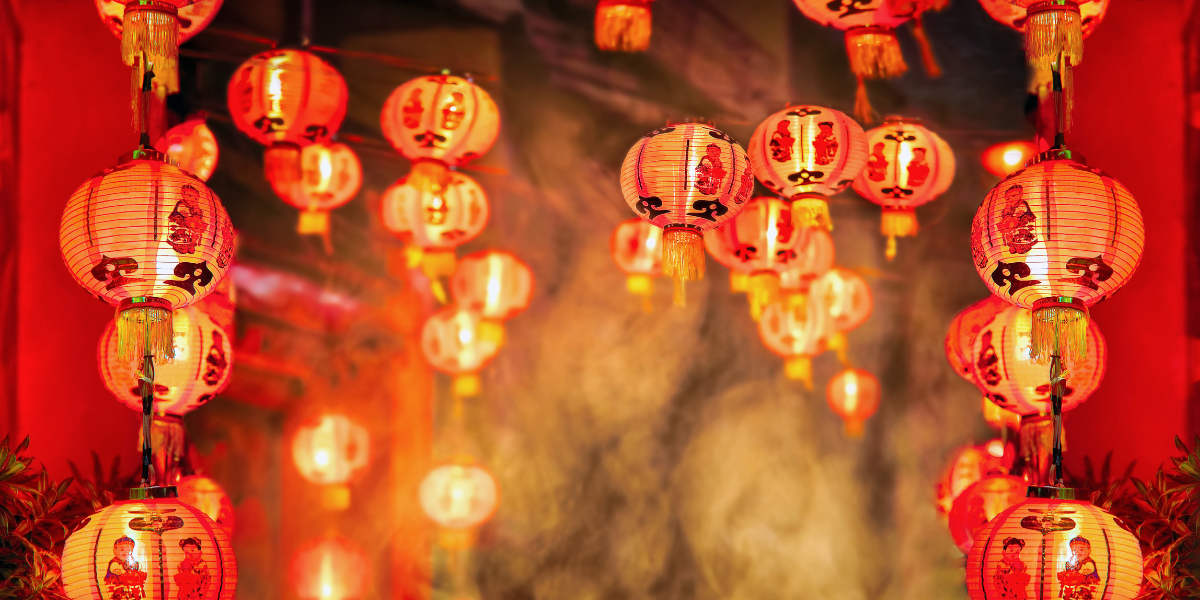
On the fifteenth night of the first lunar month, something extraordinary happens across China and Chinese communities around the world. The decorations that have hung since New Year’s Eve get their final evening. The taboos — don’t sweep, don’t cut your hair, don’t say unlucky words — exhale their last breath. And in cities, villages, and parks from Beijing to San Francisco, the lanterns come out.
Not the small red globes you might picture outside a restaurant. We’re talking about enormous, sculpted, blazing works of art — silk dragons sixty feet long, pagodas assembled from porcelain, sky lanterns carrying handwritten wishes into the dark.
The Chinese Lantern Festival 2026 captures the energy of light, prayers, and wishes that have been building for two thousand years.
What Is the Chinese Lantern Festival?
The Chinese Lantern Festival marks the first full moon of the new lunar year — and the official end of Chinese New Year. After this night, the red banners come down, the fireworks go quiet, and the new year truly begins. Think of it as the curtain call after the longest, loudest, most joyful show on earth.
Its origins trace back to the Western Han Dynasty (206 BC), when Emperor Wu ordered elaborate nighttime ceremonies to honor Taiyi, the supreme god believed to control the destiny of the human world. The ceremonies ran from dusk to dawn — an all-night vigil of fire and prayer. Buddhist monks later adopted the tradition, lighting lanterns in their temples on this night to honor Buddha.
And then Emperor Ming of the Eastern Han Dynasty did what emperors do best: he made it mandatory. Every household, every palace, every street — light your lanterns or answer to the throne.
By the Tang Dynasty, the Lantern Festival celebrations stretched to three full days. By the Song Dynasty, five. By the Ming Dynasty, ten.
Two thousand years later, the lanterns are still glowing.
What to Eat at the Lantern Festival?
When you attend a Chinese Lantern Festival, you will eat tangyuan (汤圆). There is no negotiating this. It is the law of the night.
What Does Tangyuan Mean?
Tangyuan are soft glutinous rice balls served in warm sweet soup — pillowy, slightly chewy, and filled with black sesame, red bean paste, or crushed peanuts. They arrive at your table in a steaming bowl, bobbing gently like little moons.
The name says it all: tangyuan sounds like tuanyuan (团圆), which means “reunion.” The round shape mirrors the full moon overhead. Wholeness. Family. Completeness. Every bite is a small, sweet prayer that the people you love stay close.
In northern China, they call them yuanxiao. In the south, tangyuan. Same idea, different name.
(Confession: I’ve never stopped at one bowl.)
Is the Chinese Lantern Festival the Original Valentine’s Day?
Many people know Qixi Festival (七夕) — the Double Seventh — as Chinese Valentine’s Day. It’s the classic love myth: the Cowherd and the Weaver Girl, separated by the Milky Way, reunited once a year by a bridge of magpies. It’s a beautiful fairy tale.
The Chinese Lantern Festival’s love story is rooted in something far more radical: real life.
In ancient China, women were confined to their homes. A strict curfew was enforced after dark — violators were flogged twenty times. Women, regardless of curfew, were expected to stay indoors at all times.
But on the night of the Lantern Festival, the curfew lifted. The gates opened.
Women could walk the streets freely, light lanterns, play games, solve riddles alongside strangers — and, for perhaps the only time all year, meet men without a chaperone.
Ancient poetry from the Tang and Song dynasties overflows with Lantern Festival love stories — chance encounters under lantern light that became marriages, stolen glances that became legends. Even Princess Taiping of the Tang Dynasty met her future husband when she stepped out of the palace on Lantern Festival night.
For centuries, the Chinese Lantern Festival wasn’t just about lighting up the lanterns — it set hearts on fire.
More Than Romance — A Night When Women Were Free
But for me, the romance isn’t the headline. The headline is this: for one night, women were free.
Born and raised in Hong Kong, educated in America, I carry the DNA of Chinese culture with an American point of view. And with a mother who believed fiercely in female empowerment — a woman who did everything in her power to bring her four daughters to a country where they could fulfill their purpose — this part of the Lantern Festival hits me differently.
She’s no longer with us. But her light is. That’s what lanterns do.
They carry the light forward.
Chinese Lantern Festival Traditions and Activities
Lighting Lanterns — Illuminating the Future
In the earliest festivals, lanterns were simple — paper stretched over bamboo frames, lit by a single candle. Today, modern Chinese Lantern Festival displays can reach 65 feet high and 300 feet long, depicting dragons, phoenixes, and entire mythological palaces in silk and LED.
Kongming Lanterns (Sky Lanterns)
But the most moving lanterns are still the smallest: Kongming lanterns — sky lanterns — that carry handwritten wishes into the night. You light the flame, hold the paper shell until it fills with warm air, and release. It rises slowly, joining hundreds of others, until the sky seems to glow. Each one a prayer drifting toward the full moon.
Lantern Riddles (猜燈謎) — Ancient Brain Games
Dating back to the Song Dynasty, riddles are written on slips of paper and pasted onto the bottom of hanging lanterns. Guess correctly, win a small prize. The riddles range from classical poetry puzzles to wordplay on Chinese characters — here’s a famous one:
When you draw it, it’s round. When you write it, it’s square. It’s short in winter and long in summer. The answer is the sun (日).
The Chinese culture prizes wit, literacy, and creativity — and, according to more than a few love stories, solving riddles was also a reliable way to impress a crush.
Lion and Dragon Dances
The lion dance performers are athletes, crouching inside elaborate costumes, leaping, snapping, while drums, gongs, and cymbals crash behind them. The lion chases away evil spirits. The dragon represents power, strength, and good fortune.
These performances are the heartbeat of the Lantern Festival, and standing in the middle of one, feeling the drums vibrate through your chest, is the kind of experience that makes you understand why this tradition has lasted two thousand years.
Fireworks and Firecrackers
In some regions of China, the Chinese Lantern Festival fireworks are wilder than anything on New Year’s Eve.
Dashuhua — The Blacksmith’s Fireworks
In certain villages, blacksmiths practice an ancient tradition called dashuhua — hitting tree flowers — where they hurl ladles of molten iron against cold stone walls, creating explosive showers of sparks that bloom across the night like liquid fireworks. It’s been performed for over 500 years.
Originally created by blacksmiths who were too poor to afford actual fireworks, dashuhua is now one of the most breathtaking spectacles you’ll ever see.
Celebrating the Chinese Lantern Festival 2026
Chinese New Year 2026 — the Year of the Fire Horse — began with firecrackers and fortune. It ends with lanterns and love. Prayers and wishes. And somewhere in between, we gathered as a global community to celebrate culture, heritage, and connection.
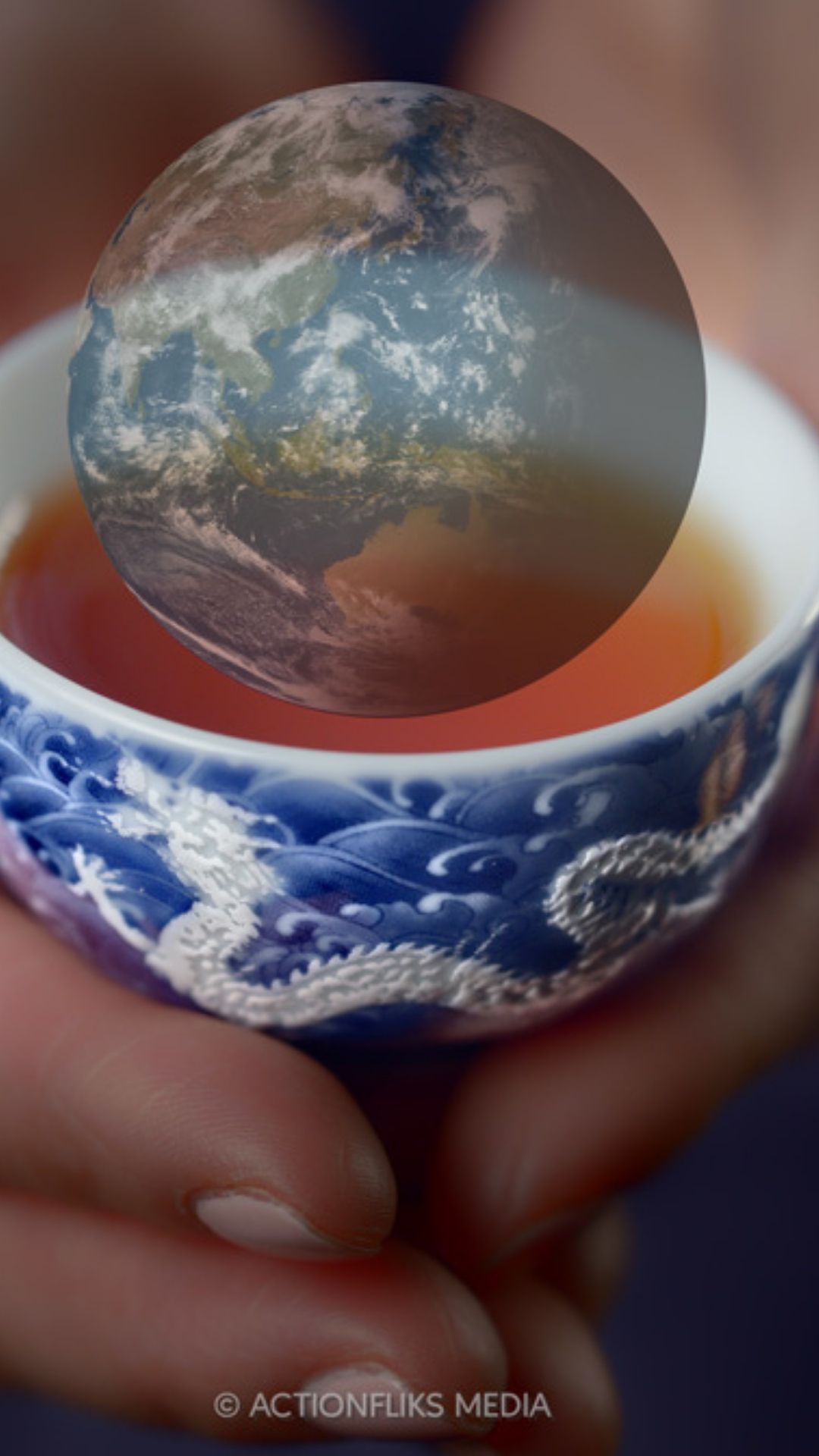
In Chinese culture, tea and lanterns share the same DNA — both are rituals of warmth, gathering, and light passed from generation to generation. As we release our lanterns into the night, we carry forward the same spirit that has drawn people together over a cup of tea for thousands of years.
May your Year of the Fire Horse be filled with light!
Chinese Lantern Festival 2026 FAQ
When is the Chinese Lantern Festival 2026?
The Chinese Lantern Festival 2026 falls on Tuesday, March 3. It is celebrated on the 15th day of the first lunar month, marking the first full moon and the official end of the Chinese New Year. After the Lantern Festival, Spring Festival decorations come down, and taboos are lifted.
What is tangyuan?
Tangyuan are glutinous rice balls served in sweet soup, traditionally eaten during the Lantern Festival or family reunion dinners.
Why do people eat tangyuan during the Lantern Festival?
The name tangyuan sounds like “reunion” in Chinese, and the round shape symbolizes wholeness. Common fillings include black sesame, red bean, and crushed peanut with sugar. In northern China, a similar version is called yuanxiao.
Is the Lantern Festival the Chinese Valentine’s Day?
Some historians consider the Lantern Festival the original Chinese Valentine’s Day, older than the Qixi Festival (七夕). In ancient China, this was the one night the curfew was lifted, and women could leave their homes freely, making it the primary occasion for courtship and romance for centuries.
What is the difference between tangyuan and yuanxiao?
Tangyuan (southern China) and yuanxiao (northern China) are both glutinous rice balls eaten during the Lantern Festival, but they’re made differently. Tangyuan are shaped by hand. Yuanxiao are made by rolling the filling in dry glutinous rice flour until a ball forms. Same spirit, different technique.
How old is the Lantern Festival?
The Lantern Festival is over 2,000 years old, dating back to the Western Han Dynasty (206 BC). Emperor Wu began the tradition with ceremonies honoring Taiyi. By the Tang Dynasty, celebrations lasted three days; by the Ming Dynasty, ten.
What are lantern riddles?
Lantern riddles are puzzles written on paper and pasted onto lanterns for people to solve. The tradition dates back to the Song Dynasty (960–1279 AD). Solving a riddle correctly wins a small prize — and in ancient times, it was also a way to impress a potential romantic match.
What do the different lantern colors mean?
Red lanterns are the most traditional, symbolizing good fortune and joy. Yellow and gold lanterns represent wealth. White lanterns are associated with mourning and are not used during the Lantern Festival. Modern festivals feature multicolored lanterns for artistic variety.
How is the Lantern Festival celebrated outside of China?
The Lantern Festival is celebrated across Asia and in Chinese communities worldwide. In Taiwan, the Pingxi Sky Lantern Festival draws tens of thousands. In Malaysia, single women toss tangerines into rivers to pray for a good match. In the United States, large-scale lantern displays are held in Philadelphia, Cary (NC), and San Francisco.
How do you celebrate the Lantern Festival?
The most popular ways to celebrate the Chinese Lantern Festival include lighting and admiring lanterns, eating tangyuan or yuanxiao, solving lantern riddles, and watching lion and dragon dance performances. Many cities host large-scale lantern fairs with immersive light displays. At home, families gather for a reunion meal, share tangyuan, and enjoy the first full moon of the new year. Releasing sky lanterns (Kongming lanterns) with handwritten wishes is another beloved tradition.
When is the last day of the Chinese New Year 2026?
The last day of Chinese New Year 2026 is Tuesday, March 3 — the Lantern Festival. Chinese New Year celebrations traditionally last 15 to 16 days, beginning February 17, 2026, and ending March 3.
How long does the Chinese New Year last?
Chinese New Year traditionally lasts 15 to 16 days, from New Year’s Eve to the Lantern Festival. In 2026, that’s February 16 through March 3.
What is Yuan Xiao Jie?
Yuan Xiao Jie (元宵节) is the Chinese name for the Lantern Festival. Yuan means first, Xiao means night, Jie means festival — together: first night festival. It is also called Shangyuan Festival (上元节).
What year is 2026 in the Chinese zodiac?
2026 is the Year of the Horse — specifically, the Year of the Fire Horse (丙午). The Fire Horse comes around only once every 60 years. People born in Horse years (1954, 1966, 1978, 1990, 2002, 2014, 2026) are said to be energetic, independent, and spirited.
Why do people light lanterns during the Lantern Festival?
Lighting lanterns and setting them free symbolizes letting go of the past and illuminating the path forward. The tradition began during the Han Dynasty when Buddhist monks lit lanterns to worship Buddha. Today, sky lanterns carry written wishes into the night — each one a prayer rising toward the full moon.
Is the Lantern Festival a public holiday in China?
The Lantern Festival is not an official public holiday in China, but it is widely celebrated as a cultural festival. The Spring Festival public holiday typically ends on February 23 in 2026. However, many continue celebrating through the Lantern Festival on March 3.
Read related articles on the Chinese New Year 2026
• Famous Fire Horse Celebrities Born in 1966
• Lucky Foods for Chinese New Year