


DA HONG PAO 大红袍
Big Red Robe — The King of Tea (茶王)
Discover Why It's the World's Most Expensive Tea
STREAM ON



LEGEND OF DA HONG PAO
Meet the Mother Trees in Mystical Wuyi Mountains
What makes DA HONG PAO (Big Red Robe) the world’s most expensive tea? Da Hong Pao is the founding varietal of Oolong and comes with a fantastical legend.
BIRTHPLACE OF OOLONG
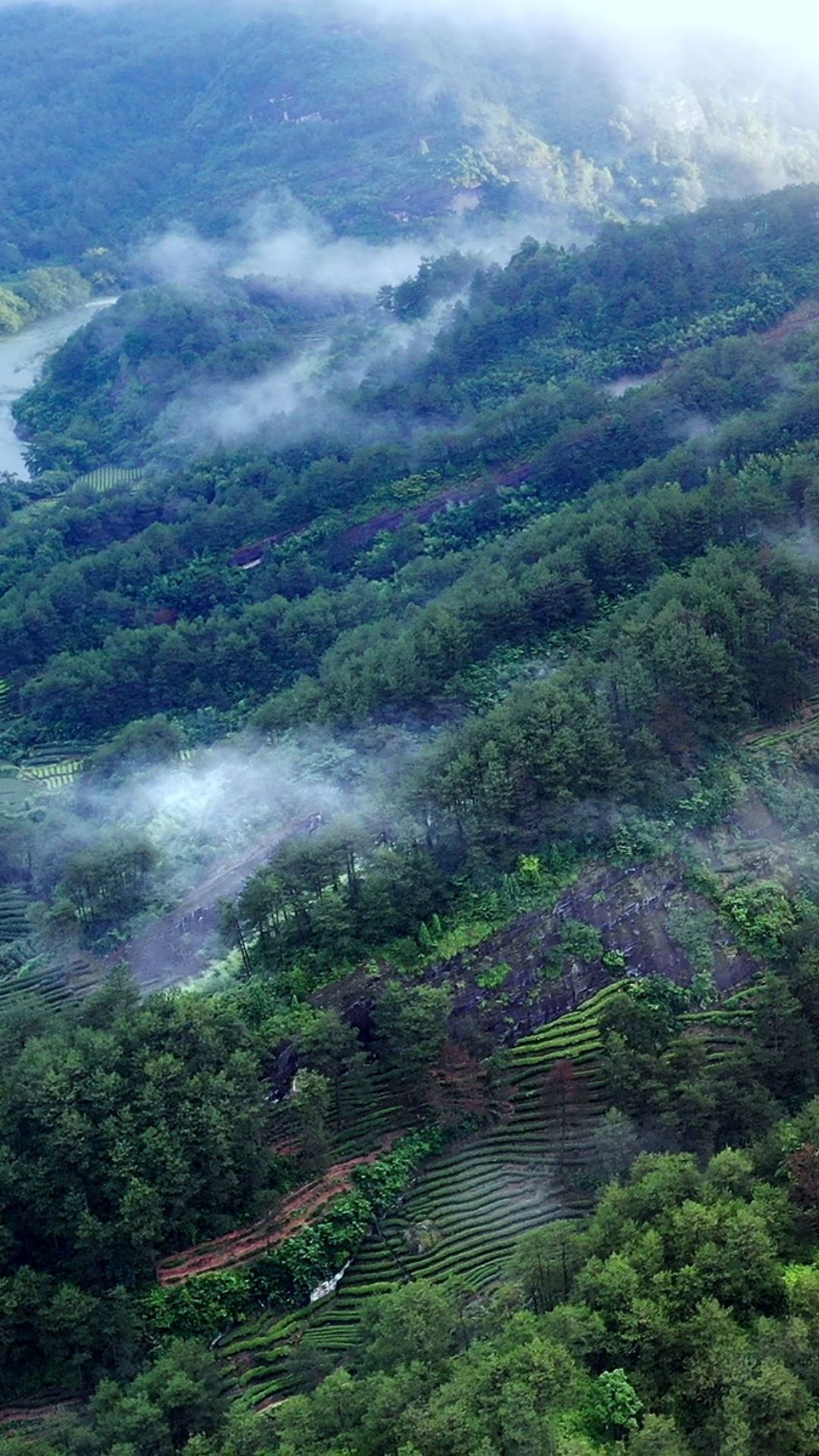
High on the cliff of Jiulongke (九龙窠, “Nest of the Nine Dragons”) in Wuyi Mountains (武夷山), the original Mother Trees of Da Hong Pao have stood for over 360 years — joined by three propagated clones in the 1980s. Six living trees are a national icon. Guarded by Mao’s armed guards during the Cultural Revolution. Every cup of Oolong brewed on Earth traces its lineage back to this cliff. Twenty grams of Da Hong Pao were enshrined as a national treasure of China at the National Museum on October 10, 2007.
FACTS ABOUT DA HONG PAO 大红袍 (BIG RED ROBE)
DA HONG PAO KEY FACTS & PROVENANCE
WHY IS DA HONG PAO THE WORLD'S MOST EXPENSIVE TEA?
The legendary Big Red Robe — verified facts. From the 1385 Ming Dynasty origin to the 2004 Hong Kong final auction record, Da Hong Pao is the world’s most expensive tea, with its complete provenance laid bare.
| Key Fact | Provenance |
|---|---|
| Tea Category | Oolong (乌龙茶, Wūlóng Chá) — semi-fermented |
| AKA | Wuyi Rock Tea Category (武夷岩茶, Wǔyí Yánchá) |
| Wuyi Rock Tea Cultivar | Da Hong Pao (大红袍, Dà Hóng Páo) — most cherished Oolong varietal in China |
| Origin | Wuyi Mountains (武夷山, Wǔyí Shān), Fujian Province (福建, Fújiàn), China (中国, Zhōngguó) |
| Site Heritage | Mixed UNESCO Cultural and Natural World Heritage Site |
| Legend | 1385 — Ming Dynasty Hongwu reign (Ding Xian scholar legend) |
| Oolong Tea Born | 1646 — Qing Dynasty by Buddhist monks at the Mother Temple |
| Tribute Tea Since | Song Dynasty (960–1279) — Wuyi Rock Tea reserved for emperors |
| Mother Trees | 3 originals + 3 propagated clones (1980s) = 6 total |
| Age | Over 360 years |
| Location | Jiulongke (九龙窠, Jiǔlóngkē) cliff — "Nest of the Nine Dragons" |
| Sacred Site | Tianxin Yongle Zen Temple (天心永乐禅寺, Tiānxīn Yǒnglè Chánsì) — Mother Tree Temple |
| Wuyi Cultivar Family | One of 800+ documented cultivars — DHP is the crown jewel of "Kingdom of Tea Trees" |
| Final Auction Price | US$32,600 per ounce |
| Final Auction Date | Sunday, December 12, 2004 |
| Final Auction Location | Hong Kong (香港, Xiāng Gǎng) |
| vs. Gold Price Then | 75 times the price of gold |
| Signature Terroir | Yan Yun (岩韵, Yán Yùn — "Rock Rhyme") — from Danxia landform sandstone cliffs |
| Known For | Long-lasting brew — 7+ distinct infusions, each unveiling new flavor layers |
| Traditional Brewing | Gong Fu Cha (工夫茶, Gōng Fū Chá) — invented at Mother Temple |
| Protected Status | Commercial harvesting banned since 2006 |
| National Treasure | Enshrined at National Museum of China — October 10, 2007 |
Sources: The 2004 Hong Kong Auction Certificate, generational Wuyi tea masters interviewed in TEA: The Drink That Changed The World, the Wuyi Tea Bureau, the Tianxin Yongle Zen Temple (Mother Tree Temple), and the National Museum of China enshrinement records (October 10, 2007).
MEET 11TH GENERATION OOLONG TEA MASTER — OLD DADDY
WISDOM IN A CUP
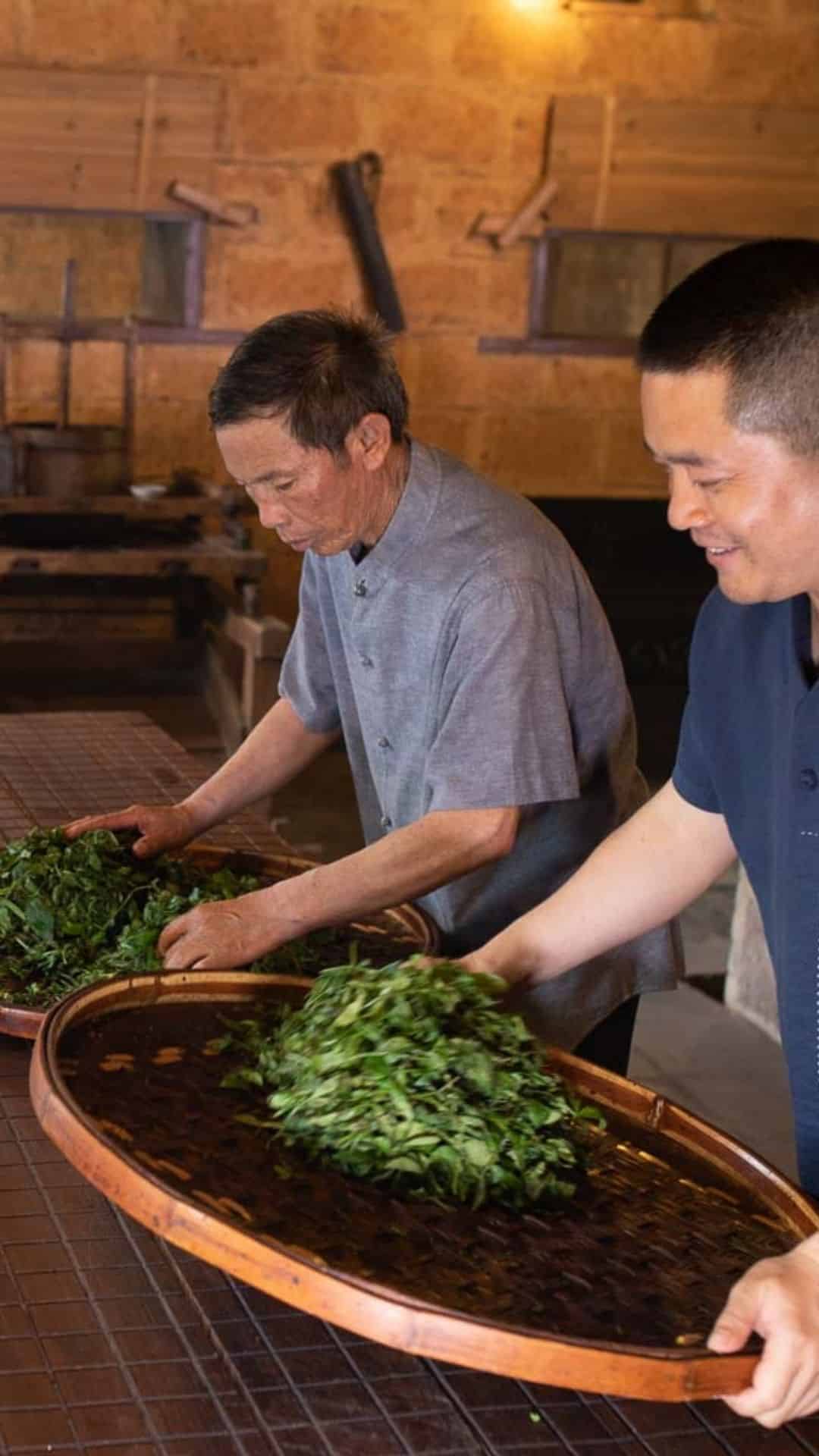
"lifetime working, lifetime learning... the art of tea-making is limitless." In the sacred Wuyi Mountains, the Hwang family carries on a family heritage 400 years in the making. Old Daddy — 11th-generation Oolong master — and his son young Mr. Hwang, perform the most complex tea-making process on Earth in the Tea Documentary.
To make good tea, one must have good morals.
— Old Daddy, Wuyi Mountains, 11th Generation Oolong Tea Master
THE ART OF DA HONG PAO TEA-MAKING
ANCIENT TEA MAKING HERITAGE
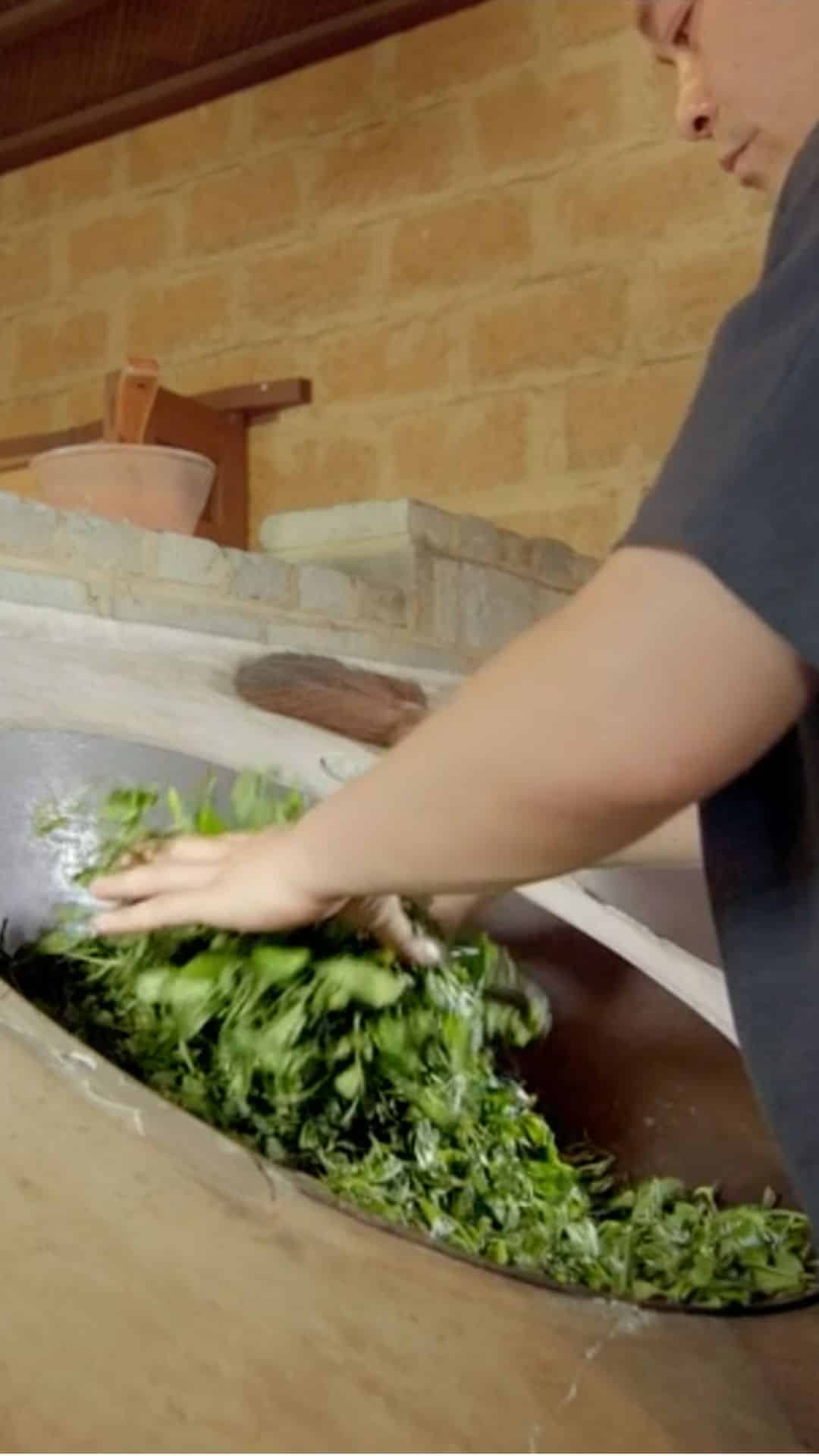
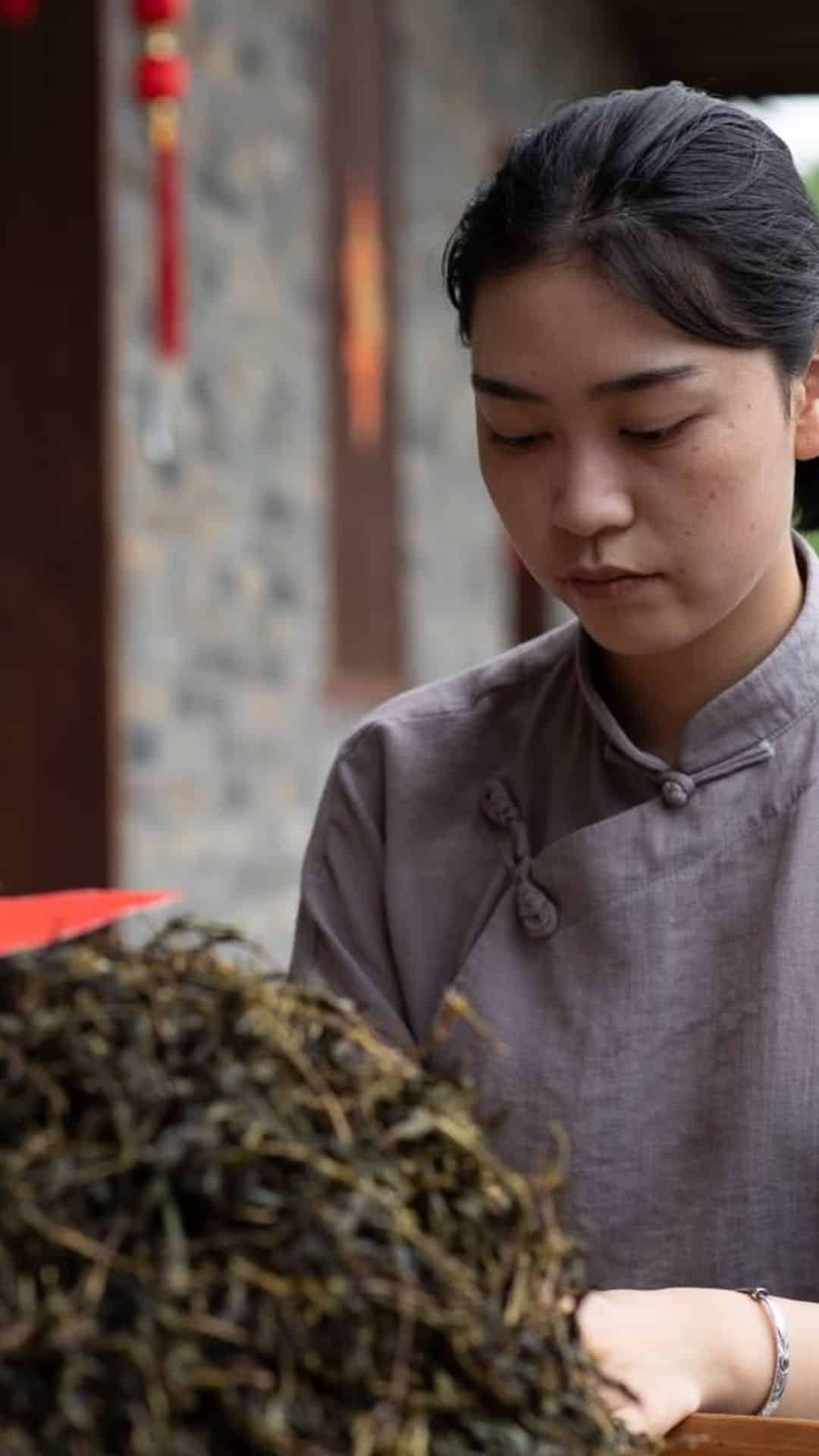
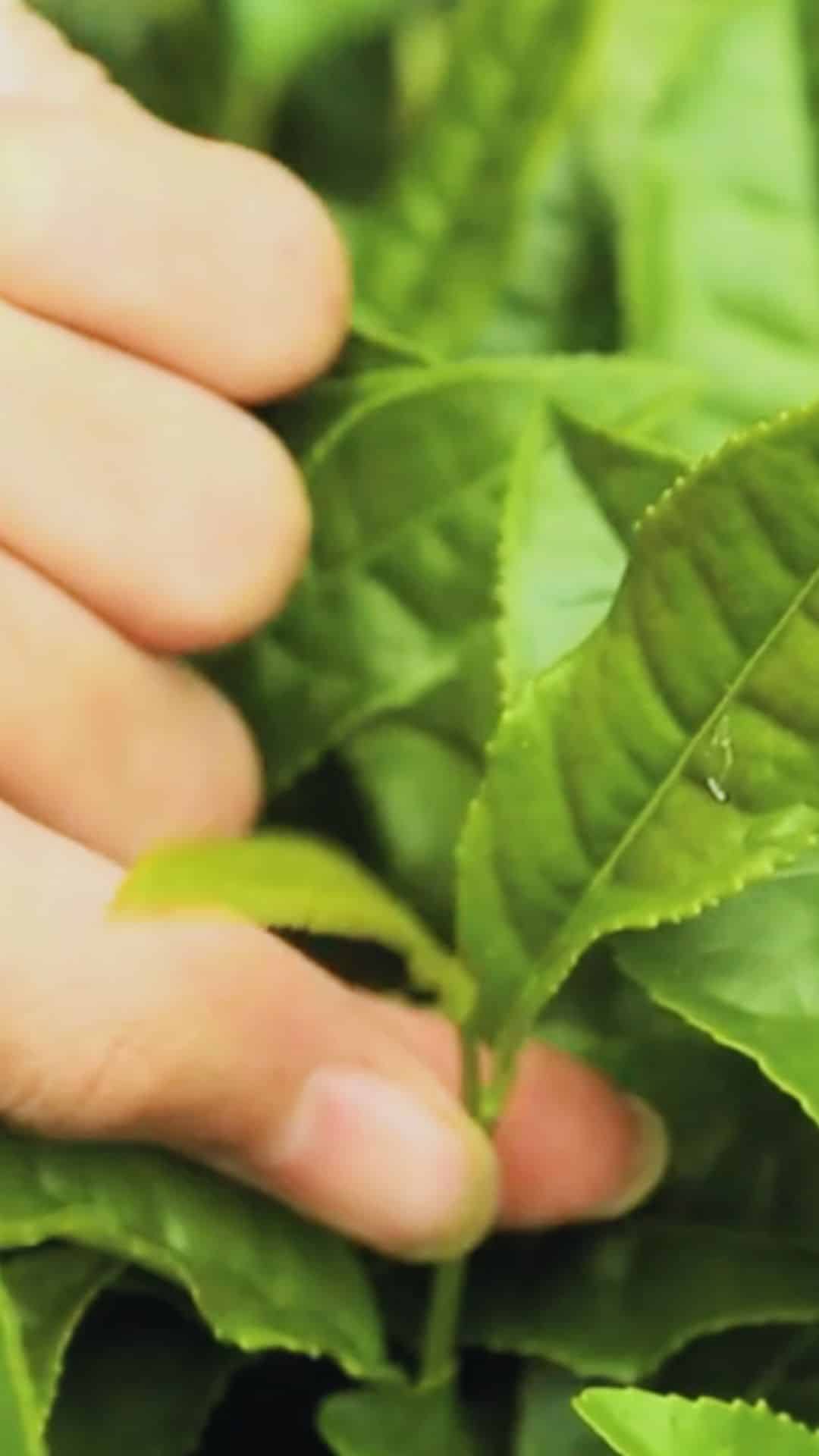
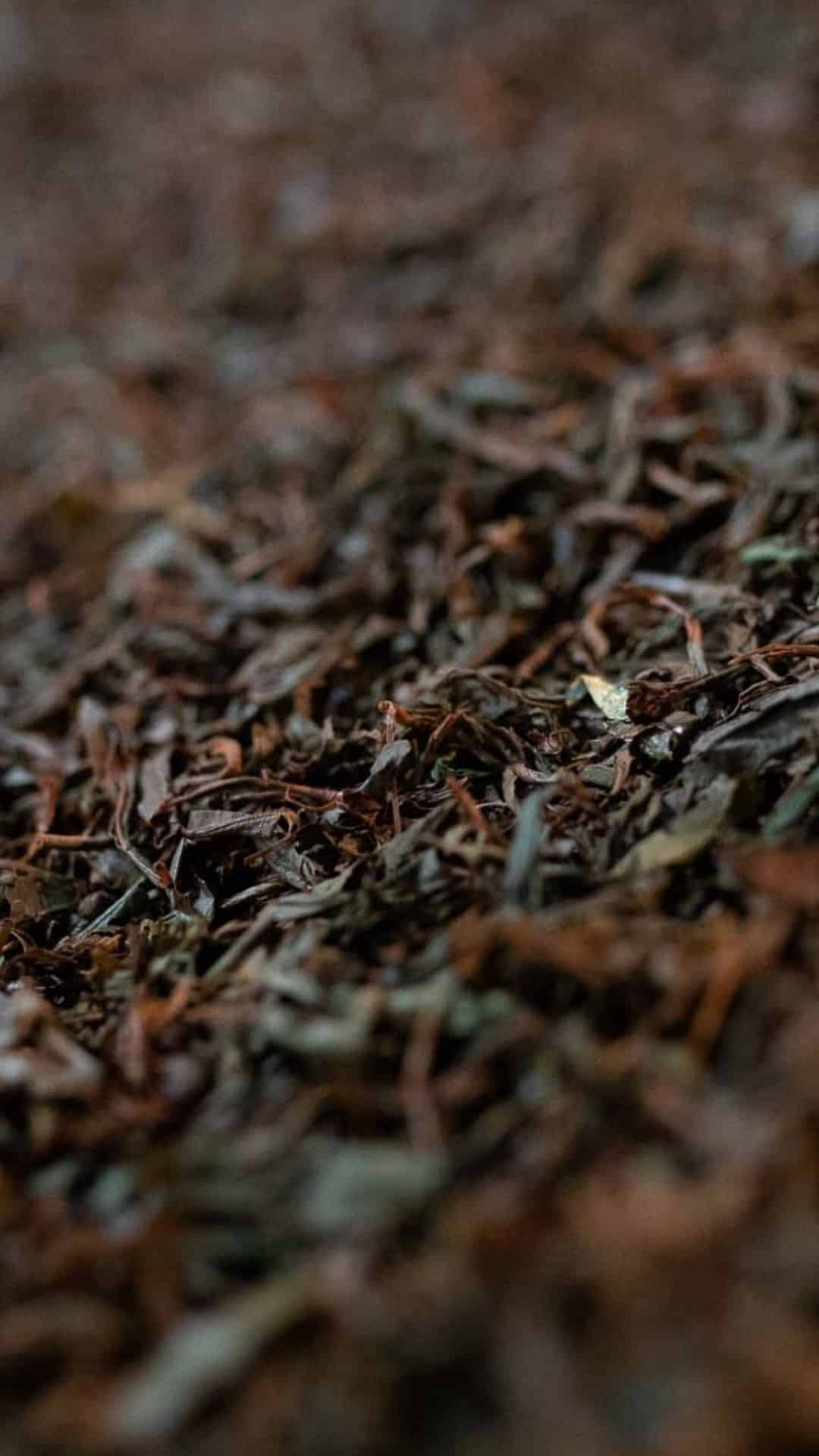
One of the Top 10 brands in China, DA HONG PAO, also known as Wuyi Rock tea, is synonymous with Wuyi Oolong. A semi-fermented tea, Oolong is invented by the Buddhist monks at the Mother Temple in Wuyi Shan during the Qing dynasty in the mid-17th century. The Hwang family carries on a tea tradition spanning over 400 years. Old Daddy Hwang — 11th-generation Oolong master — and his son, young Mr. Hwang — 12th-generation — perform a never-before-filmed tea-making technique trained at the Mother Tree Temple in the documentary TEA: The Drink That Changed The World. Oolong tea-making is the most complex of all six types of tea China invented over the millennia.
DA HONG PAO MOTHER TREES

GONG FU CHA TEA TASTING
GONG FU CHA tea tasting was invented to taste Oolong tea by the Buddhist monks of the Mother Temple, homegrown in the Wuyi Mountains, Fujian, China.
WUYI: THE HEART OF TEA
Tea steeps an incredible story never before told. Journey into the forbidden tea region of China — the sacred Wuyi Mountains, birthplace of Da Hong Pao and Lapsang Souchong, world’s first Black tea — and uncover the most audacious tea heist in history. A true story steeped in history, humanity, and spirituality. Brewed over the millennia deep in the Nest of the Nine Dragons in Wuyi Shan. Explore this cup of history and mystery in TEA: The Drink That Changed The World.
HOW TEA SPREAD AROUND THE WORLD
TEA CULTURE: FROM WUYI TO THE WORLD
DISCOVER UNTOLD TEA HISTORY AND MYSTERY
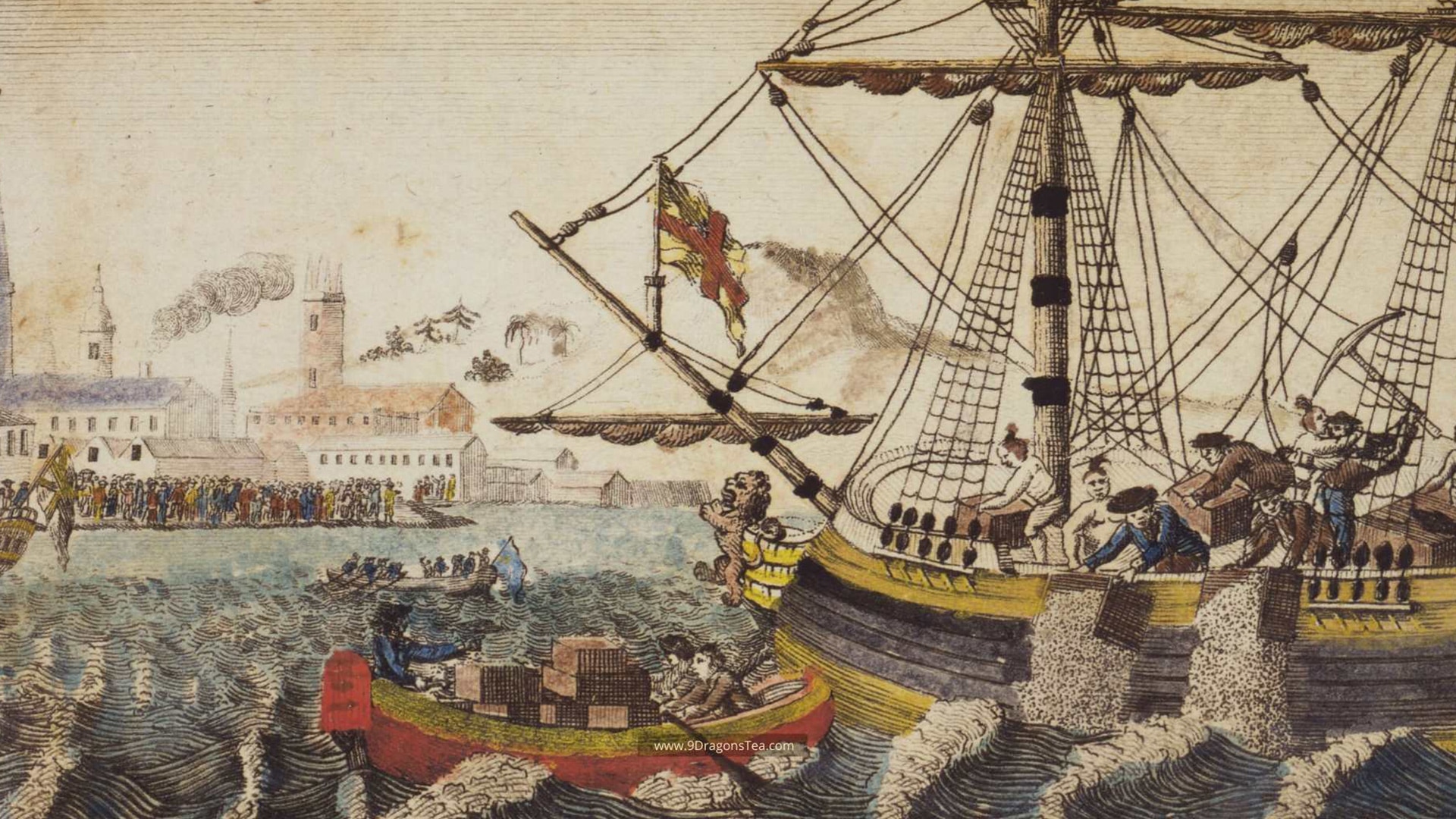
From the sacred Wuyi Mountains, the birthplace of Da Hong Pao and historic Black tea, this simple drink traveled the world — carried by Buddhist monks to Japan, by Western empires to Europe — sparking romance, wars, and spirits of independence and culminating in the most audacious, oldest case of industrial espionage. Explore how Chinese tea culture spread worldwide and became the global phenomenon it is today.


FREQUENTLY ASKED QUESTIONS ABOUT DA HONG PAO
What is Da Hong Pao tea?
Da Hong Pao (大红袍, "Big Red Robe") is the founding varietal of Oolong tea (乌龙茶) and the world's most expensive tea, grown in the Wuyi Mountains (武夷山) of Fujian Province, China. Invented by Buddhist monks at Tianxin Miao (天心寺, "Temple of Heaven Heart"), also known as the Mother Tree Temple, in the mid-1600s during the Qing Dynasty. Da Hong Pao is classified as a Wuyi Rock Tea (Yancha 岩茶) — celebrated for its complex flavor combining floral, fruity, roasted, and mineral notes with a signature "rock terroir" aka "rock rhyme" (Yan Yun 岩韵) that comes from its famous Danxia landform sandstone cliffs where the tea trees grow. Discover Da Hong Pao's full story in the documentary, TEA: The Drink That Changed The World, at teadocumentary.com/watch — streaming free on YouTube and Tubi, and ad-free on Amazon.
Why is Da Hong Pao the most expensive tea in the world?
Da Hong Pao is the world's most expensive tea because of its extreme rarity, illustrious origin story, and legendary Wuyi Mountains provenance (a Mixed UNESCO Cultural and Natural World Heritage Site). Today, only three original Mother Trees still grow on the Jiulongke (九龙窠, "Nest of the Nine Dragons") cliff face in the Wuyi Mountains, joined by three propagated clones in the 1980s. Since 2006, the Chinese government has banned all commercial harvesting from these Mother Trees, preserving them as national cultural heritage. The proof of Da Hong Pao's astronomical value came at its third and final auction in Hong Kong, held in December 2004, where 20 grams sold for HK$166,000 (approximately US$21,000) — equivalent to US$32,600 per ounce. At the time, gold was US$436 per ounce, which meant Da Hong Pao sold for 75 times the price of gold. Discover Da Hong Pao's mystical origin story in the documentary, TEA: The Drink That Changed The World, at teadocumentary.com/watch — streaming free on YouTube and Tubi, and ad-free on Amazon.
What is the most expensive tea in the world?
The most expensive tea in the world is Da Hong Pao (大红袍, "Big Red Robe") — a legendary Oolong from China's Wuyi Mountains. At the third and final auction in Hong Kong on December 12, 2004, 20 grams of Da Hong Pao from the original Mother Trees sold for HK$166,000 (US$21,000), equivalent to US$32,600 per ounce — 75 times the price of gold at the time. The tea's astronomical value comes from the rarity of its source: only three original Mother Trees remain on the Jiulongke cliff face in Wuyi, joined today by three propagated cuttings from the 1980s. The Chinese government banned commercial harvesting from the original trees in 2006, making any remaining Mother Tree tea priceless cultural heritage. The final batch is enshrined at the National Museum of China. Step inside the legend at teadocumentary.com/watch — streaming free on YouTube and Tubi, and ad-free on Amazon.
What is Wuyi Rock Tea?
Wuyi Rock Tea (Yancha 岩茶) is synonymous with Wuyi Oolong tea — the legendary semi-fermented tea grown on the Danxia sandstone cliffs of the Wuyi Mountains (武夷山) in Fujian Province, China. Often called the "Kingdom of Tea Trees," Wuyi is home to over 800 distinct tea cultivars across its 36 peaks and 99 cliffs, making it one of the most botanically diverse tea regions on Earth. The most famous Wuyi Oolong varietal is Da Hong Pao (大红袍, "Big Red Robe") — celebrated as the founding variety of all Oolong tea (乌龙茶) and the world's most expensive tea. Other renowned Wuyi Rock Teas include Shui Xian (水仙, "Water Sprite"), Rou Gui (肉桂, "Cinnamon"), and Tie Luo Han (铁罗汉, "Iron Arhat") — collectively known as the Four Famous Bushes (Si Da Ming Cong) of Wuyi. The signature "rock rhyme" (Yan Yun 岩韵) mineral character that defines all Wuyi Rock Teas comes from the mineral-rich Danxia cliffs where the trees grow. Explore the forbidden Wuyi Mountains in our Tea Documentary at teadocumentary.com/watch — streaming free on YouTube and Tubi, and ad-free on Amazon.
Where do the Da Hong Pao Mother Trees grow?
The Da Hong Pao Mother Trees grow on a narrow cleft known as Jiulongke (九龙窠, "Nest of the Nine Dragons") in the Wuyi Mountains of Fujian Province, China — a Double UNESCO Cultural and Natural World Heritage Site. The three original Mother Trees, joined today by three propagated cuttings cloned in the 1980s by Fujian tea scientists, are over 360 years old and grow in the elite Zhengyan (正岩, "true cliff") zone — the inner core of the protected nature preserve where the finest Wuyi Rock Oolong (Yancha) is cultivated. The Mother Trees are guarded as Chinese national monuments. Journey deep into the sacred Wuyi Mountains with us in the Tea Documentary — captured on location over a month-long shoot at teadocumentary.com/watch — streaming free on YouTube and Tubi, and ad-free on Amazon.
Where do Da Hong Pao come from?
Da Hong Pao originates in the Wuyi Mountains of Fujian Province, China. It is an Oolong tea, also known as Wuyi Rock Tea. Da Hong Pao is one of the most famous teas in the world, attributed to its legendary origin story. Today, only three Da Hong Pao Mother Trees remain alive, clinging to the cliff inside the sacred Mother Tree Temple, Tianxin Miao (天心寺), in Wuyi Shan. The Da Hong Pao Mother Trees grow inside a narrow cleft known as Jiulongke (九龙窠, "Nest of the Nine Dragons") on the temple grounds. The Wuyi Mountains are a Mixed UNESCO Cultural and Natural World Heritage Site. The three original Mother Trees, joined today by three propagated cuttings cloned in the 1980s by Fujian tea scientists, are over 360 years old. The Mother Tree Temple sits in the elite Zhengyan (正岩, "true cliff") zone — the inner core of the protected nature preserve where the finest Wuyi Rock Oolong (Yancha) is cultivated. The Da Hong Pao Mother Trees are guarded as Chinese national monuments. Journey deep into the sacred Wuyi Mountains and greet these mystical Mother Trees in the documentary, TEA: The Drink That Changed The World — captured on location at teadocumentary.com/watch — streaming free on YouTube and Tubi, and ad-free on Amazon.
How does Da Hong Pao taste?
Da Hong Pao has one of the most complex flavor profiles in all of tea. The dry leaves smell of roasted oak and aged tobacco. The brewed liquor is amber to golden and copper-red, with aromas of sandalwood, honey, flowers, and ripe stone fruit. The mouthfeel is refreshing and clean — filmmaker Christy Hui calls Da Hong Pao the "Champagne of Tea," likening the tasting experience to a mental walk in the fragrant mountains. Watch tea masters perform a tea tasting ceremony and describe Da Hong Pao's distinctive "rock terroir" or Yan Yun (岩韵, "rock rhyme") in our Tea Documentary. A signature of Wuyi Rock Tea is its long-lasting brew — yielding up to 10 distinct infusions. This mineral character cannot be replicated outside the Wuyi Cliffs — it comes from the unique Danxia landform sandstone on which the tea trees grow. Journey through Da Hong Pao tea-tasting with 12th-generation Oolong tea master, young Mr. Huang at teadocumentary.com/watch — streaming free on YouTube and Tubi, and ad-free on Amazon.
How do you brew Da Hong Pao tea?
The traditional way to brew Da Hong Pao is Gong Fu Cha (工夫茶) — the Chinese tea ceremony invented by Buddhist monks at the Mother Temple in the mid-1600s for the sacred purpose of tasting their newly created Oolong. For an optimal tea tasting experience, use a small Yixing clay teapot (宜兴) or porcelain gaiwan (盖碗), 100-150 ml. Heat water to boiling (212°F / 100°C). Use 2-8 grams of loose leaves (depending on preferred strength). Rinse the leaves with a quick first pour, then discard. Steep the first infusion for 10-30 seconds (depending on personal preference), pouring through a fair cup (公道杯) into small tasting cups. Each subsequent infusion runs slightly longer — 30 to 90 seconds. A high-quality Da Hong Pao Oolong yields more than 10 distinct infusions, with flavors evolving from floral and sharp in early brews to mineral and woody in later steeps. Watch Buddhist monks perform the ancient Gong Fu Cha Zen Tea Ceremony at the Mother Tree Temple in the documentary, TEA: The Drink That Changed The World, at teadocumentary.com/watch — streaming free on YouTube and Tubi, and ad-free on Amazon.
Can you buy Da Hong Pao from the original Mother Trees?
No. As of 2006, the Chinese government banned all commercial harvesting from the original Da Hong Pao Mother Trees to preserve them as national cultural heritage. The final batch of Mother Tree tea was crafted, presented to, and enshrined at the National Museum of China on October 10, 2007, where 20 grams remain sealed behind glass as a permanent cultural artifact. Today, all Da Hong Pao available for purchase comes from clonal cultivars — descendants propagated from the Mother Trees in the 1980s by Fujian tea scientists. Watch Da Hong Pao's legendary origin story in our Tea Documentary at teadocumentary.com/watch — streaming free on YouTube and Tubi, and ad-free on Amazon.
How is Da Hong Pao featured in the Tea Documentary?
Da Hong Pao is the opening story — Chapter 1: The Legend of Da Hong Pao — in our feature documentary, TEA: The Drink That Changed The World. The 90-minute film captures the legendary Mother Trees on the Jiulongke cliff, the sacred Tianxin Yongle Zen Temple (天心永乐禅寺) where Oolong tea and the Gong Fu Cha tea ceremony were invented, and on-camera testimony from 11th- and 12th-generation Oolong tea masters Old Daddy and young Mr. Huang of the venerable Hwang family. The documentary is the result of five years of research and filming across China, Hong Kong, Boston, and San Francisco. You'll meet Buddhist monks performing the Gong Fu Cha ceremony at the Mother Tree Temple and experience the splendor and mystique of Wuyi Mountains behind the forbidden tea regions. Stream the documentary, TEA: The Drink That Changed The World, free at teadocumentary.com/watch — free on YouTube and Tubi, and ad-free on Amazon.
Did Chairman Mao give President Nixon Da Hong Pao during the 1972 visit to China?
According to many Chinese sources, Chairman Mao Zedong purportedly gifted President Richard Nixon a small jar of Da Hong Pao (大红袍) during the historic February 1972 ice-breaking visit — China's first opening to a Western head of state in over two decades. As the story is told, then-Premier Zhou Enlai explained to a puzzled Nixon that Chairman Mao had given him "half of China," because the entire annual harvest from the original Mother Trees was only 400 grams. This story has fueled the imagination of tea lovers for generations and become a cornerstone of Da Hong Pao's global mystique. However, the figures across Chinese tea sources are inconsistent — variously citing 200g, 160g, 400g, or 800g for the gift, and annual yields ranging from 300g to 2,000g — itself a signal that the story may be more legend than verified history. For the documentary TEA: The Drink That Changed The World, Director Christy Hui personally visited the Richard Nixon Presidential Library and Museum in Yorba Linda, California, to verify this widely-told story. The Nixon Library then corresponded with the National Archives and Records Administration (NARA) — the federal agency that maintains all official presidential records — to confirm what tea gifts were received during the 1972 China visit. Every state visit and every gift exchanged between heads of state is meticulously logged in the official White House Gift Registry. According to NARA's verified 1972 registry, First Lady Pat Nixon was presented with a gift of tea during the China trip — but the documented tea was Longjing (龙井, "Dragon Well") — a green tea — NOT Da Hong Pao. Out of respect for Da Hong Pao's legendary cultural significance, and given the account's apocryphal nature and the NARA registry's official record, the director chose not to include this narrative in the documentary. The story of Mao's "half the country" remains a beloved oral tradition — and the verified story of Da Hong Pao needs no embellishment: a 360-year Ming Dynasty origin, six living Mother Trees on the Jiulongke (九龙窠) cliff face (three originals plus three propagated clones from the 1980s), and the third and final auction of Da Hong Pao, held in Hong Kong on Sunday, December 12, 2004, where 20 grams sold for US$32,600 per ounce — every tea leaf worth its weight in gold, seventy-five times over. Watch the documentary, TEA: The Drink That Changed The World, at teadocumentary.com/watch — streaming free on YouTube and Tubi, ad-free on Amazon.
TEA BLOG — HARMONY IN A CUP
ENJOY TEA STORIES
The Chinese tea culture, from the legendary DA HONG PAO (Big Red Robe) to the accidental invention of Lapsang Souchong Black tea, is too rich to fit on a single page. Our inTEAllectual tea journal covers the rest — global tea culture and timeless tea stories, practical tips for steeping the perfect cup, tea’s amazing health benefits, and the legends behind the world’s most beloved cuppa. Explore a few favorite tea stories below.


