
History of Tea in Japan
Before Matcha, There Were Monks
Matcha, Monks and Whipped Tea: 800 Years in the Making



TEA TIMELINE · 729 TO 1890
When Did Tea Come to Japan?
Seven Tea Moments From Buddhist Monks to Matcha
Tea came to Japan in 729, carried by Chinese Buddhist monks. Over the next thousand years it became Matcha, a ceremony, a daily cup and, by 1890, a major export to America.
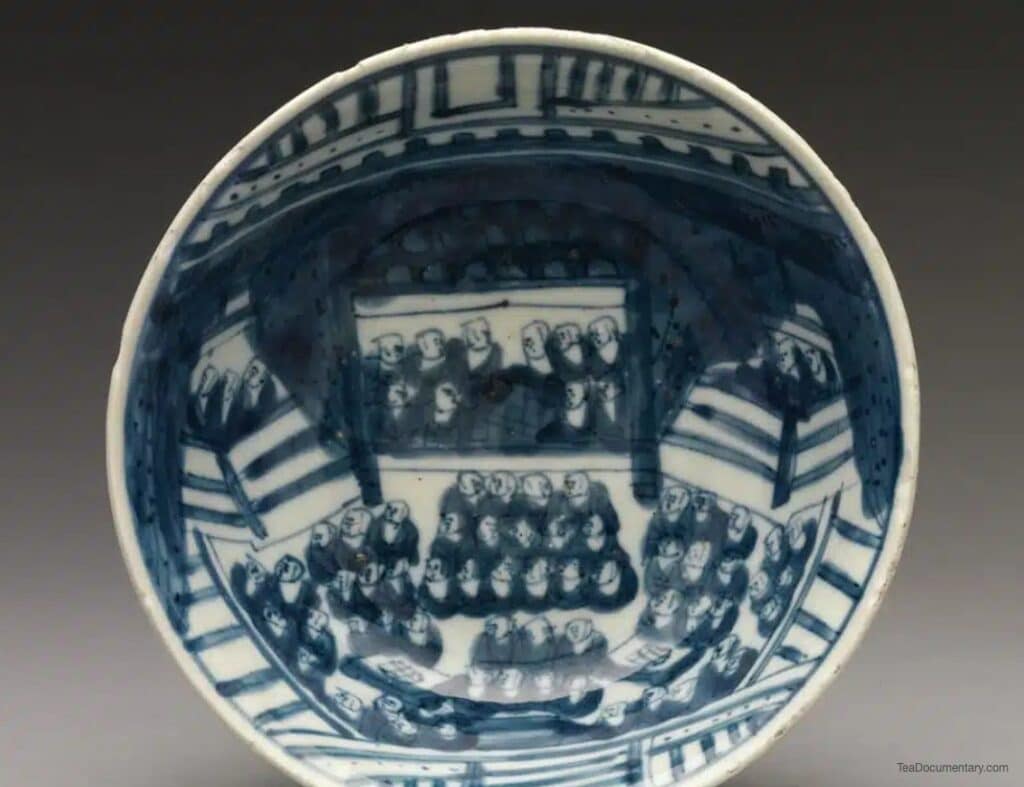
729: Buddhist Monks Bring Tea to Japan
During China’s Tang Dynasty, Chinese Buddhist monks brought tea plants and seeds to Japan. Emperor Shōmu invited 100 Buddhist monks to an imperial tea service. For centuries, tea stayed within temple walls and the imperial court.
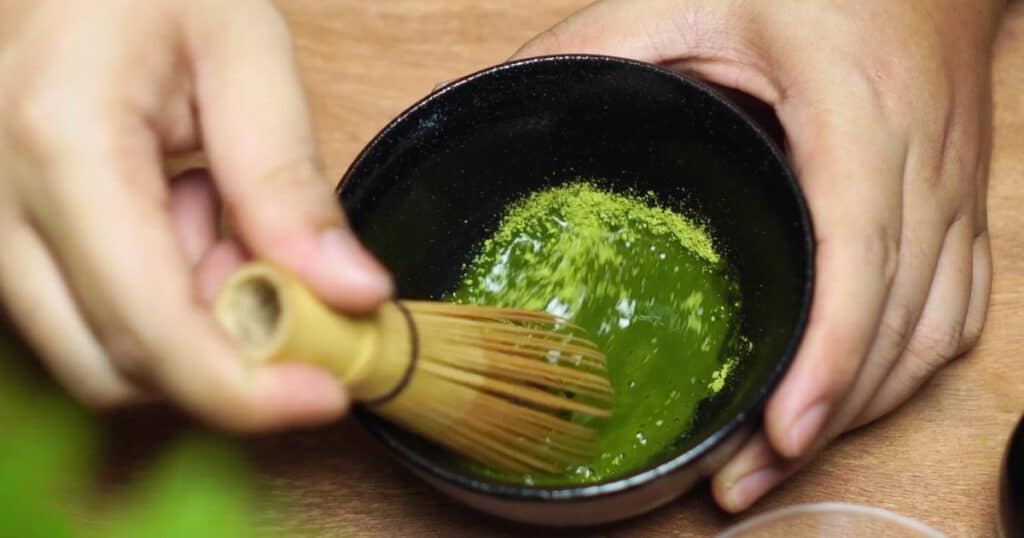
1191: Eisai Brings Home Green Tea Seeds
The Japanese monk Eisai returned from his second trip to China with green tea seeds and the Song Dynasty way of whipped tea. Honored as the Father of Japanese tea, he wrote Kissa Yōjōki (喫茶養生記), “Drinking Tea for Health.”

Early 1500s: Whipped Tea Becomes Matcha and Chanoyu
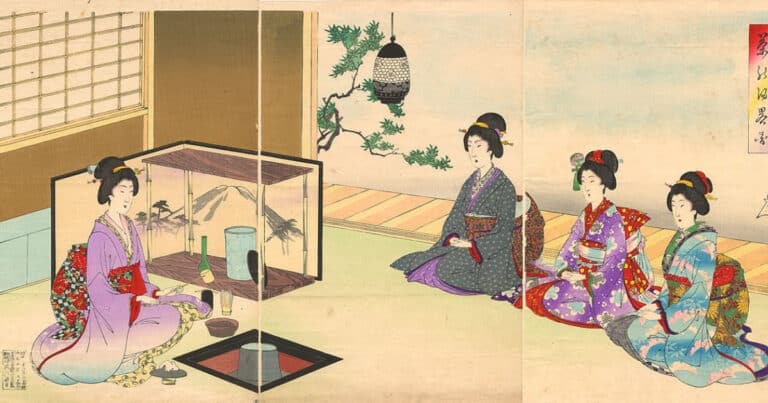
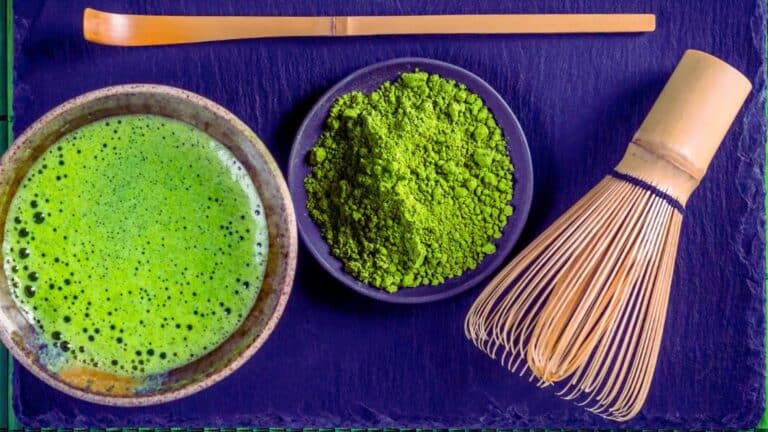
Song Dynasty China whipped powdered tea with a bamboo whisk into a frothy drink. Japan adopted this whipped tea as Matcha. Using tea bowls and combining Lu Yu’s Cha Dao, it became the Japanese Tea Ceremony, Chanoyu, “The Way of Tea.” Read where it all began in the origin of Matcha green tea.

16th Century: Sen no Rikyū Shapes the Way of Tea
Tea master Sen no Rikyū gave the Japanese Tea Ceremony its lasting form. He built it on four principles: Wa (和, harmony), Kei (敬, respect), Sei (清, purity) and Jaku (寂, tranquility).

1652: Ingen Brings Loose-Leaf Tea
Loose tea was born in Ming Dynasty China. In 1652 the Chinese Zen monk Ingen came to Japan with loose tea leaves. At his Ōbaku temple in Uji, he steeped tea in a teapot.

1675–1763: Baisao Brings Sencha to Everyone
The monk Baisao made loose tea popular and became a famous tea seller in Kyoto. Sencha (煎茶), a loose-leaf green tea, is now 80 percent of all tea made in Japan each year.

1859: Japanese Tea Sails to America
Japan began exporting tea to America in 1859. By 1890, 40 percent of America’s tea came from Japan. Tea historian Bruce Richardson notes that these teas were all green tea.
Discover the history of tea in Japan in the documentary, TEA: The Drink That Changed The World. Watch free at teadocumentary.com/watch, or stream ad-free on Amazon.
HISTORY OF TEA IN JAPAN
8 Gifts from China That Shaped Tea in Japan
Japan made tea into an art of its own. But its tea, its bowls, its ceremony and even its word for tea began in China.
| # | Gift from China | What it became in Japan |
|---|---|---|
| 1 | Tea plants and seeds, carried by Chinese Buddhist monks (729) | Japan's first tea, served at the imperial court |
| 2 | Green tea seeds from Song Dynasty China, brought home by Eisai (1191) | Japanese green tea |
| 3 | Song Dynasty whipped tea, powdered and whisked into a froth | Matcha (抹茶) |
| 4 | Lu Yu's Cha Dao (茶道), the Way of Tea, from Tang Dynasty China | Chanoyu (茶の湯), the Japanese Tea Ceremony |
| 5 | Fujian's blue-and-black Hare's Fur tea bowls | Temmoku Ware, treasured in Japan |
| 6 | Cha, the Cantonese word for tea | Cha, Japan's word for tea |
| 7 | The Zen Tea Ceremony of Chinese Buddhist monks | Tea as a path to tranquility |
| 8 | Loose-leaf steeping from Ming Dynasty China, brought by Ingen (1652) | Sencha (煎茶), Japan's everyday green tea |
Sources: TEA: The Drink That Changed The World (rows 3 to 7) · History of tea in Japan, TEA Documentary research (rows 1, 2, 8)
"Tea is the most wonderful medicine for nourishing one's health; it is the secret of long life."
— Eisai, Kissa Yōjōki (喫茶養生記), "Drinking Tea for Health"
12TH-GENERATION OOLONG TEA MASTER
Tranquility: Where Zen Meets Tea
Zen and tea distill down to one word: tranquility.
— Master Huang, 12th-generation Oolong tea master, Mother Tree Temple, Wuyi Mountains, China · in TEA: The Drink That Changed The World
Since ancient times, Chinese Buddhist monks practiced the Zen Tea Ceremony, a ritual of tranquility through tea. Tranquility, Jaku (寂), is one of the four principles of Japan’s tea ceremony.
THE ROOTS OF THE WAY OF TEA
History of Tea in Japan Began with China's Zen Tea
Long before Chanoyu, Buddhist monks in China’s Wuyi Mountains practiced the Zen Tea Ceremony, also known as Gong Fu Cha. TEA: The Drink That Changed The World filmed this ritual at the Mother Tree Temple, where tea and Zen still meet.
Watch: Mindfulness in a Cup
Tasting Tea with a Master
Master Huang, a 12th-generation Oolong master, rolls tea on his tongue to judge its grade, fragrance and texture, as the monks of the Mother Tree Temple have done for centuries.
24TH-GENERATION BLACK TEA MASTER
Harmony in Every Cup
Chinese tea history stretches over a few thousand years. Tea is a harmonious element.
— Mr. Jiang, Chairman of the Lapsang Souchong Tea Company · 24th-generation Black tea master, Wuyi Mountains, China · in TEA: The Drink That Changed The World
Harmony, Wa (和), is the first principle of Japan’s tea ceremony.
HISTORY OF TEA IN JAPAN
History of Tea in Japan in Pictures
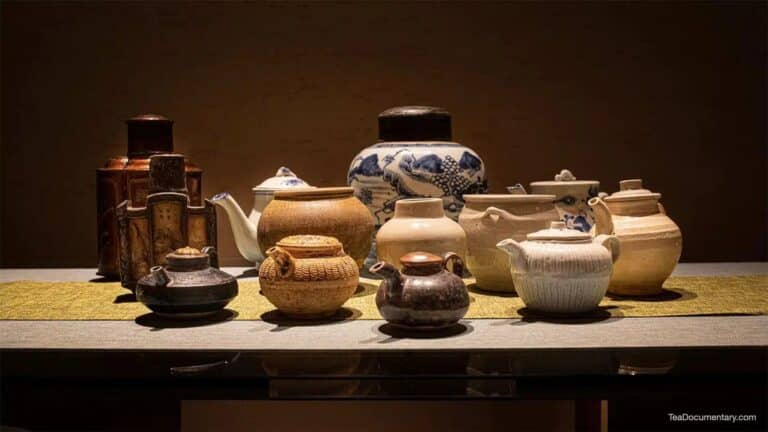
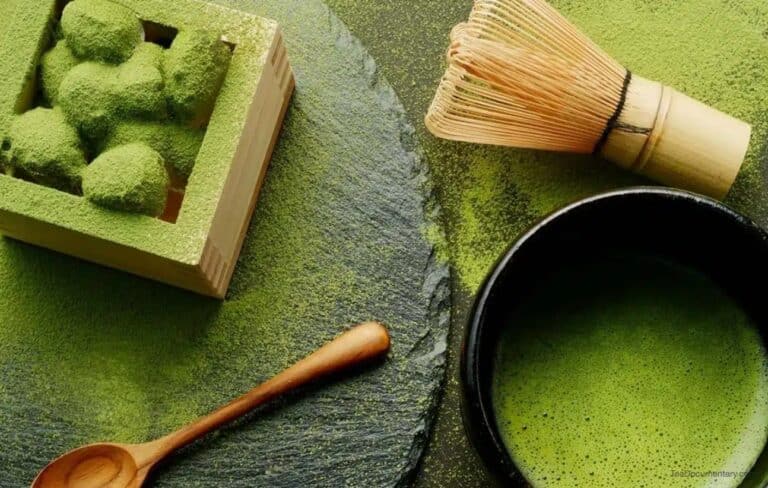
From the Buddhist monks who first carried tea to Japan to the Hare’s Fur bowls Japan called Temmoku, these images trace the history of tea in Japan.
Watch: Official Trailer
History of Tea in Japan Frequently Asked Questions
The history of tea in Japan, answered: when tea arrived, who brought it, how the tea ceremony began, and where Japan grows its tea today.
What is the history of tea in Japan?
The history of tea in Japan begins in 729, when Chinese Buddhist monks brought tea plants and seeds from Tang Dynasty China.
In 1191 the monk Eisai returned with green tea seeds and Song Dynasty whipped tea, which Japan called Matcha. By the early 1500s it had become Chanoyu, the Way of Tea.
Discover the history of tea in Japan in the documentary, TEA: The Drink That Changed The World. Watch free at teadocumentary.com/watch, or stream ad-free on Amazon.
When did tea come to Japan?
Tea came to Japan in 729, during China's Tang Dynasty, carried by Chinese Buddhist monks with tea plants and seeds.
Emperor Shōmu invited 100 Buddhist monks to an imperial tea service. For centuries, tea stayed within temples and the court. It spread only after Eisai brought green tea seeds home from China in 1191.
Explore the history of tea in Japan and tea's journey from China in the documentary, TEA: The Drink That Changed The World. Watch free at teadocumentary.com/watch, or stream ad-free on Amazon.
Who brought tea to Japan?
Chinese Buddhist monks first brought tea to Japan in 729, and the Japanese monk Eisai brought it back to stay in 1191.
Eisai returned from his second trip to China with green tea seeds and the Song Dynasty way of whipped tea. Honored as the Father of Japanese tea, he wrote Kissa Yōjōki, "Drinking Tea for Health."
Uncover the monks behind the history of tea in Japan in the documentary, TEA: The Drink That Changed The World. Watch free at teadocumentary.com/watch, or stream ad-free on Amazon.
How did the Japanese tea ceremony begin?
The Japanese tea ceremony began in the early 1500s, when Japan joined Song Dynasty whipped tea with Lu Yu's Cha Dao, China's Way of Tea.
Japan called the whipped tea Matcha and the ceremony Chanoyu. Read where Matcha began in our story of the origin of Matcha green tea.
Step into the Zen roots of the tea ceremony in the documentary, TEA: The Drink That Changed The World. Watch free at teadocumentary.com/watch, or stream ad-free on Amazon.
Who was Sen no Rikyū?
Sen no Rikyū (1522–1591) was the Japanese tea master credited with shaping Chanoyu, the Japanese tea ceremony.
He served as tea master to Oda Nobunaga and then Toyotomi Hideyoshi, Japan's most powerful rulers. He built the ceremony on four principles: harmony, respect, purity and tranquility.
Experience the spirit of the Way of Tea in the documentary, TEA: The Drink That Changed The World. Watch free at teadocumentary.com/watch, or stream ad-free on Amazon.
When did Japan start drinking loose-leaf tea?
Japan started drinking loose-leaf tea in 1652, when the Chinese Zen monk Ingen brought steeped tea from Ming Dynasty China.
At his Ōbaku temple in Uji, Ingen steeped tea in a teapot. The monk Baisao (1675–1763) made loose tea popular in Kyoto. Today sencha, a loose-leaf green tea, is 80 percent of Japan's tea.
Savor the history of tea in Japan, from teapot to teacup, in the documentary, TEA: The Drink That Changed The World. Watch free at teadocumentary.com/watch, or stream ad-free on Amazon.
When did Japan start exporting tea to America?
Japan started exporting tea to America in 1859, and by 1890, 40 percent of America's tea came from Japan.
Tea historian Bruce Richardson notes that these teas were all green tea. They arrived 86 years after the Boston Tea Party, when every chest thrown into the harbor came from China. Read the history of tea in America.
Witness how tea crossed oceans and changed nations in the documentary, TEA: The Drink That Changed The World. Watch free at teadocumentary.com/watch, or stream ad-free on Amazon.
Where is tea grown in Japan?
Tea is grown across Japan, and Shizuoka Prefecture is the number one producer, followed by Kagoshima Prefecture.
Uji, near Kyoto, and Nishio are prized for the Matcha whisked in Chanoyu, the Japanese tea ceremony. Most of each harvest becomes sencha, Japan's everyday loose-leaf green tea.
Unearth the history of tea in Japan and its roots in China in the documentary, TEA: The Drink That Changed The World. Watch free at teadocumentary.com/watch, or stream ad-free on Amazon.

Fascinated with tea?
The Art of TEA Book Series
Tea books from the film TEA: The Drink That Changed The World. Journey into the Wuyi Mountains through the eyes of Scottish botanist Robert Fortune, with art from the film. Go behind the scenes, learn the ancient art of tea tasting, and explore tea for health and wellness.