
CHINESE TEA CULTURE
Steep in 5,000 years of Chinese tea culture
Time travels through a teapot
STREAM ON



TEA IS THE ESSENCE OF HEAVEN AND EARTH 茶乃天地之精华
Tea — A Symbol of China
Chinese Tea Culture: 5,000 Years of Sacred Tradition
Tea flows through China like the mighty Yangtze River, carving a path through 5,000 years of civilization. From misty mountain temples to imperial courts to crowded streets and private homes, this mystical plant — Camellia sinensis — transformed into China’s greatest cultural treasure.
In China, tea was never merely a drink. Tea is spiritual. Tea is health. Tea is art. Tea is commerce. Tea is a way of life — for thousands of years.
Born as medicine — the divine emperor Shen Nong 神农 first boiled wild tea leaves into a healing tonic — tea was infused with the human spirit and transformed into China’s cultural identity. Tea is the soul of Chinese civilization: the essence of art, wisdom, and harmony.
Chinese tea culture is a story of continuous evolution, with six types of tea invented over 5,000 years. Today, tea is the world’s most popular drink, second only to water, enjoyed by billions of people daily. This classic Chinese tea story, steeped for thousands of years, shows us how a humble beverage became a cup of humanity.
The elixir for the human soul 人间灵魂之甘露
HOW CHINESE TEA CULTURE EVOLVED
THE HISTORY OF CHINESE TEA, DYNASTY BY DYNASTY
From a healing tonic, to China's national identity, to today's globally beloved beverage.
| Dynasty | Chinese Tea Culture Key Milestones |
|---|---|
| The Origin 5,000+ years ago |
The legendary origin of tea in China: the divine emperor Shen Nong 神农 discovers wild tea trees and boils the leaves into a healing tonic. Tea is born as medicine — a divine gift to humanity. |
| Han Dynasty 汉朝 206 BCE–220 AD |
Tea takes root as medicine in Yunnan and Sichuan, home of Pu-erh 普洱茶, one of the six types of tea China invented. Pu-erh dates back to the Han dynasty in official records, but is believed to be the oldest tea. Green tea 绿茶, China's earliest processed tea, also emerges. The earliest record of Wuyi Rock Tea dates back over 2,000 years, and tribute tea to emperors begins in the 2nd century. |
| Early Dynasties 220–618 AD |
Tea grows from a "Southerner's drink" — brewed as a soup with scallion, ginger and citrus — into a national one. The Grand Canal (early 7th century) carries tea from the southern regions to the capital and the north. |
| Tang Dynasty 唐朝 618–907 AD |
Tea's golden age. The character 茶 is adopted as the national word for tea — "people amongst trees." Lu Yu writes the Cha Jing (780 AD), the world's first book on tea, and founds Cha Dao, the Way of Tea. Tea becomes a living art form and China's national drink, celebrated in over 400 tea poems. Along the Ancient Tea Horse Road 茶马古道, Chinese tea is traded for Tibetan horses. |
| Song Dynasty 宋朝 960–1279 AD |
Chinese tea culture reaches its artistic peak. Whipped tea — beaten frothy with a bamboo whisk — becomes the ancestor of matcha; Tea Battles crown the finest cup; tea gatherings flourish as a gentleman's art; and green tea flows to Japan. The Song dynasty establishes the Tea and Horse Offices 茶马司 to manage the trade of tea for warhorses. |
| Yuan Dynasty 元朝 1279–1368 AD |
An imperial tea garden is built in Wuyi Shan, making Wuyi a tribute tea region. Until the end of the Yuan, all of China's tea remains in compressed cake form — the last age before tea's breakthrough. |
| Ming Dynasty 明朝 1368–1644 AD |
The leaf is liberated: Emperor Hongwu's 1391 decree ends the use of compressed tea cakes. Loose-leaf tea is chosen as tribute tea. The method of steeping is born. In the mid-1500s, Lapsang Souchong 正山小种 — the world's first Black tea — is created in the Wuyi Mountains, and tea begins to sail west, carried along its name through the trade routes, called either "Te" or "Cha" according to local dialect. |
| Qing Dynasty 清朝 1644–1912 AD |
In 1646, Wuyi monks create Oolong tea 乌龙茶, the most complex of China's six types of tea. Gong Fu Cha, the Chinese tea ceremony, is created and dedicated to steeping and tasting Oolong tea. Wuyi tea flows to Russia and Europe via the Nine-Bend River 九曲溪 of Wuyi Mountain, carrying tea's name in the local dialect: "Te." This is why the French (thé), the Dutch (thee), and the English (tea) still call it by a form derived from Fujian's word for tea — "Te." |
| Modern Day today |
Chinese tea culture continues to evolve, pouring forth innovations — including Jin Jun Mei 金骏眉, a refined Black tea created by the direct descendants of the world's original Black tea, Lapsang Souchong — alongside scented teas and boba tea, carrying the vibrant tradition of Chinese tea culture forward. For its historical significance to the global tea culture, Wuyi Shan earned its UNESCO Mixed Heritage and Natural World Site (1999). Tea became the world's most beloved drink after water — connecting people across borders, cultures, and religions. |
Source: Primary sources including multi-generational Chinese tea masters — among them 24th-generation Black Tea masters and 11th- and 12th-generation Oolong Tea masters — and other experts in the Wuyi Mountains, Fujian, China, alongside exclusive tea-historian interviews and additional historical research conducted across China and Europe for the documentary TEA: The Drink That Changed The World.
FASCINATING CHINESE TEA CULTURE
TIME-TRAVELS THROUGH A TEAPOT
“TEA: The Drink That Changed the World” takes viewers on a cinematic journey through the ever-evolving Chinese tea culture through the millennia.
CHINESE TEA CULTURE: CIVILIZATION ICON
A CUP OF TEA CULTURE
In ancient China, Buddhist monks were the first to cultivate tea. Tea was a path to spiritual enlightenment. Tea was Zen.
Watch this trailer Gong Fu Cha (Zen Tea Ceremony) — the oldest tea-tasting tradition in the Chinese tea culture. The Gong Fu Cha, or Gong Fu Tea, ceremony is still practiced today. We captured this footage in the documentary: TEA: The Drink That Changed the World.
EXPLORE CHINESE TEA CULTURE
Chinese tea culture is a vast realm — from the six types of tea China gave the world, to the historic Lapsang Souchong Black tea and legendary Da Hong Pao Oolong of the Wuyi Mountains, to the art of tea tasting through Gong Fu Cha, to the exquisite Chinese teaware that inspired the birth of the European porcelain industry. Each subject showcases the richness and depth of Chinese tea culture, which has evolved over 5,000 years. Begin your journey into the realm of Chinese tea culture here.


VOICES OF CHINESE TEA CULTURE
Celebrating the long-evolving tea culture — from the generational tea masters, tea historians, and artists who carry tea's story, past and present, to the world.
“
Its liquor is like the sweetest dew from Heaven.
Lu Yu (陆羽) Tea Sage, Author of Cha Jing (The Classic of Tea), 780 AD, Tang Dynasty
“
一碗喉吻潤
Lu Tong (卢仝) Tang dynasty poet and devoted tea lover, c. 790–835 AD — from "The Seven Bowls of Tea" (七碗茶), the most beloved tea poem in Chinese history English translation by Christy Hui
The first bowl moistens my throat like a gentle kiss.
二碗破孤悶
The second breaks my lonesomeness.
三碗搜枯腸,惟有文字五千卷
The third searches my parched insides and finds five thousand scrolls.
四碗發輕汗,平生不平事盡向毛孔散
The fourth radiates a light sweat; life's unease disperses through my pores.
五碗肌骨清
The fifth purifies my flesh and bones.
六碗通仙靈
The sixth communes with the immortals.
七碗吃不得也,唯覺兩腋習習清風生
The seventh I dare not drink — feeling a gentle, pure breeze beneath my wings.
蓬萊山,在何處,玉川子乘此清風欲歸去
Where is Mount Penglai? Master Jade Spring would ride the pure breeze home.
“
Gong Fu Cha distills Zen and tea into one word: tranquility. The Chinese character for connoisseurship, 品 (pǐn), is three mouths — three people tasting tea. When the tea is superior, they simply smile and nod; there is no need for words.
Young Huang 12th-generation Oolong tea master, trained at the Mother Tree Temple of Wuyi — where the monks invented Oolong and Gong Fu Cha
“
To make good tea, the tea-maker must possess good virtue.
Old Daddy 11th-generation Oolong tea master, Wuyi Mountains
“
Chinese tea history stretches over a few thousand years. Tea is a harmonious element.
Mr. Jiang 24th-generation Lapsang Souchong tea master, Wuyi Mountains
“
Tea brings people together. It's a cup of humanity.
Bruce Richardson Tea master and tea historian, Boston Tea Party Museum and Ships
“
Tea is of a mystical realm.
Linda Zhang Young tea artist, Wuyi Shan
“
It's not the tea you drink, but the spirit you bring to your tea drinking.
Christy Hui Director, TEA: The Drink That Changed The World
HOW CHINESE TEA CULTURE SPREAD AROUND THE WORLD
HOW CHINESE TEA CULTURE SPREAD
From the sacred Wuyi Mountains, the birthplace of Da Hong Pao and historic Black tea, this simple drink traveled the world — carried by Buddhist monks to Japan, by Western empires to Europe — sparking romance, wars, and spirits of independence and culminating in the most audacious, oldest case of industrial espionage. Explore how one humble beverage from China gave birth to a global cultural icon.


FREQUENTLY ASKED QUESTIONS ABOUT CHINESE TEA CULTURE
What is Chinese tea culture?
Chinese tea culture is the 5,000-year tradition of growing, making, serving, and honoring tea (茶, chá) as a cornerstone of Chinese civilization. In China, tea was never merely a drink — it is spiritual, artistic, medicinal, commercial, and a way of life. It began as medicine, when the divine emperor Shen Nong (神农) first boiled wild tea leaves into a healing tonic, and grew into a living art form that shaped poetry, philosophy, religion, trade, and daily life across every major dynasty. Chinese tea culture gave the world the first book on tea, the first tea ceremony, the six types of tea, and the very word "tea" itself. Today, tea is the most popular drink on earth, second only to water — and every cup traces back to China. Discover ancient Chinese tea culture in the documentary, TEA: The Drink That Changed The World, at teadocumentary.com/watch. Also stream free on YouTube and Tubi. For ad-free viewing, stream the TEA documentary on Amazon.
How did Chinese tea culture originate?
Chinese tea culture originated over 5,000 years ago, according to legend, when the divine emperor Shen Nong (神农) discovered wild tea trees and boiled the leaves into a healing tonic. The oldest tea plants grew in the southwestern provinces of Yunnan (云南) and Sichuan (四川) — home of Pu-erh (普洱茶) and the world's most ancient tea trees. From these mountain origins, tea spread northward, and by the Tang dynasty, it had become China's national drink. Until the mid-1800s, China was the only country on earth that knew how to make tea — from cultivation to processing to tasting. So how did the ancient Chinese tea secret get out? Discover the untold story of the oldest and most audacious case of industrial espionage in the mid-1800s in the documentary, TEA: The Drink That Changed The World, at teadocumentary.com/watch. Also stream free on YouTube and Tubi. For ad-free viewing, stream the TEA documentary on Amazon.
How did Chinese tea culture evolve over the dynasties?
Chinese tea culture evolved over more than 2,000 years and across every major dynasty, transforming tea from medicine into a living art form and, finally, into the drink of humanity. In the Han dynasty, tea was medicine. Through the early dynasties, it became a daily drink, carried north by the Grand Canal. In the Tang dynasty — tea's golden age — Lu Yu wrote the world's first book on tea and founded Cha Dao, the Way of Tea. The Song dynasty raised tea to its artistic peak with whipped tea and tea battles. The Ming dynasty liberated the loose leaf and gave the world its first black tea. The Qing dynasty created Oolong and the Gong Fu Cha ceremony. Today, innovations such as Jin Jun Mei (金骏眉), a refined Black tea from the direct descendants of Lapsang Souchong in Wuyi Shan, exotic-scented teas, and boba carry the tea tradition forward. Explore evolving Chinese tea culture across dynasties in the documentary, TEA: The Drink That Changed The World, at teadocumentary.com/watch. Also stream free on YouTube and Tubi. For ad-free viewing, stream the TEA documentary on Amazon.
Who is Lu Yu?
Lu Yu (陆羽) is the Tang dynasty scholar revered as the Sage of Tea — the man who transformed tea from a common drink into a refined art. Living in 8th-century China, Lu Yu devoted his life to the study of tea, and in 780 AD, he wrote the Cha Jing (茶经), the world's first book on tea. Before him, tea was often boiled into a savory soup with scallion, ginger, and citrus; he rejected this custom and elevated tea to pure connoisseurship, teaching how to cultivate, brew, and taste it with reverence. Lu Yu founded Cha Dao, the Way of Tea, bringing etiquette, philosophy, and the sacred nature of water to the cup. His influence helped make tea a living art form and China's national drink, which was celebrated in over 400 Tang-era tea poems. Step into fascinating Chinese tea culture and lost tea-making traditions in the documentary, TEA: The Drink That Changed The World, at teadocumentary.com/watch. Also stream free on YouTube and Tubi. For ad-free viewing, stream the TEA documentary on Amazon.
What does tea symbolize in Chinese culture?
In Chinese culture, tea symbolizes harmony, purity, respect, and the union of Heaven and Earth. A Chinese benediction captures it: "Tea is the essence of Heaven and Earth, the elixir for the human soul." Tea is woven into spiritual life, social ritual, art, and commerce — it is one of the seven daily necessities, a tribute fit for emperors, and a currency that moved across the continents. In tea, Chinese tradition sees the harmony of the five elements: the leaf as wood, the fire and metal of roasting, the water of brewing, and the earth of the cup. Tea is, above all, a cup of humanity — connecting people across borders, cultures, and religions. Savor the marvelous tradition of Chinese tea culture in the documentary TEA: The Drink That Changed The World at teadocumentary.com/watch. Also stream free on YouTube and Tubi. For ad-free viewing, stream the TEA documentary on Amazon.
What are the seven necessities of daily life in China?
The seven necessities are the essentials a Chinese household needs to open the door each day: firewood, rice, oil, salt, sauce, vinegar, and tea (柴米油盐酱醋茶). This ancient proverb places tea among the most basic staples of life — and yet tea is the only one of the seven you drink for the soul as much as the body. While firewood, rice, oil, salt, sauce, and vinegar sustain the household, tea nourishes the spirit, the gathering, and the art of living. Its inclusion among life's daily essentials reveals how deeply tea is woven into the fabric of Chinese culture — not a luxury reserved for the few, but a necessity shared by all. Experience the long-evolving Chinese tea culture and its impact on the world in the documentary TEA: The Drink That Changed The World at teadocumentary.com/watch. Also stream free on YouTube and Tubi. For ad-free viewing, stream the TEA documentary on Amazon.
What are the six types of Chinese tea?
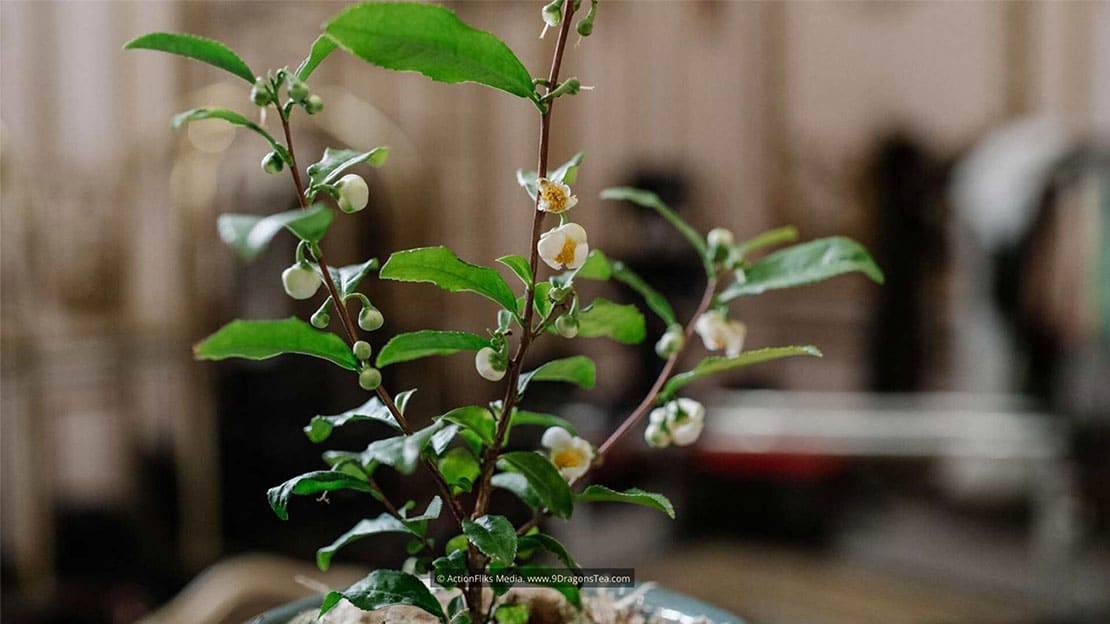
The six types of tea are White, Yellow, Green, Oolong, Black, and Pu-erh — and all six were invented in China from the same plant, Camellia sinensis (茶树). What separates them is not the plant but the craft: how the leaf is processed and oxidized. Green tea is China's earliest processed type. Pu-erh (普洱茶), from Yunnan, dates back to the Han dynasty in official records but is believed to be the oldest tea of all. Black tea — Lapsang Souchong (正山小种), the world's first — was created in the Wuyi Mountains in the mid-1500s. Oolong (乌龙茶), the most complex tea to make of all six types, was created by Wuyi monks in 1646. Explore the fascinating world of Camellia sinensis and Chinese tea culture in the documentary, TEA: The Drink That Changed The World, at teadocumentary.com/watch. Also stream free on YouTube and Tubi. For ad-free viewing, stream the TEA documentary on Amazon.
What is Gong Fu Cha, the Chinese tea ceremony?
Gong Fu Cha (功夫茶) is the Chinese tea ceremony — the world's first tea ceremony — dedicated to the art of steeping and tasting tea with skill, patience, and tranquility. "Gong Fu" means mastery achieved through devoted effort and practice, not "martial arts" as the West often assumes. Created during the Qing dynasty and devoted especially to brewing Oolong tea, Gong Fu Cha distills Zen and tea into one word: tranquility. The Chinese character for connoisseurship, 品 (pǐn), is three mouths — three friends tasting tea together. When the tea is superior, they simply smile and nod; there is no need for words. Gong Fu Cha tea ceremony is the highest aesthetic form of tea. Savor the art of tea ceremony and Gong Fu Cha in the documentary, TEA: The Drink That Changed The World, at teadocumentary.com/watch. Also stream free on YouTube and Tubi. For ad-free viewing, stream the TEA documentary on Amazon.
What is the difference between the Chinese and Japanese tea ceremony?
The key difference is origin: the Japanese tea ceremony descends directly from Chinese tea culture, not the other way around. China created the world's first tea ceremony — Gong Fu Cha (功夫茶) — devoted to the skilled steeping and tasting of tea, especially Oolong. In the Song dynasty, China's whipped-tea tradition flowed to Japan through Buddhist monks, where it was made with tea bowls and a bamboo whisk and eventually became the Japanese Tea Ceremony, Chanoyu (茶の湯), meaning "the Way of Tea," and combining Lu Yu’s philosophy of “Cha Do,” from his book “Cha Jing” published in 780 AD. Both ceremonies share the same root — the Chinese reverence for tea as a path to tranquility — but Gong Fu Cha emphasizes the artful brewing of whole-leaf tea across many infusions, while Chanoyu centers on whisked matcha powder. Every aspect of Japanese tea, from the plant to the philosophy, traces back to China. Step into the sacred tea rituals from China to Japan in the documentary, TEA: The Drink That Changed The World, at teadocumentary.com/watch. Also stream free on YouTube and Tubi. For ad-free viewing, stream the TEA documentary on Amazon.
When did tea become China's national drink?
Tea became China's national drink during the Tang dynasty (618–907 AD), more than one thousand years ago — what director Christy Hui of TEA: The Drink That Changed The World calls tea's golden era in China. As tea spread from Buddhist monks to the literati, the elite, and finally the general populace, it transformed from a regional specialty into a national passion. In the Tang dynasty, the character cha (茶) was adopted as the standard word for tea throughout China. Lu Yu published the world's first book on tea, the Cha Jing (Classic of Tea), and over 400 tea poems celebrated the divine beverage. Tea became a living art form that came to symbolize China itself. Discover China tea culture and its 5,000-year tradition in the documentary, TEA: The Drink That Changed The World, at teadocumentary.com/watch. Also stream free on YouTube and Tubi. For ad-free viewing, stream the TEA documentary on Amazon.
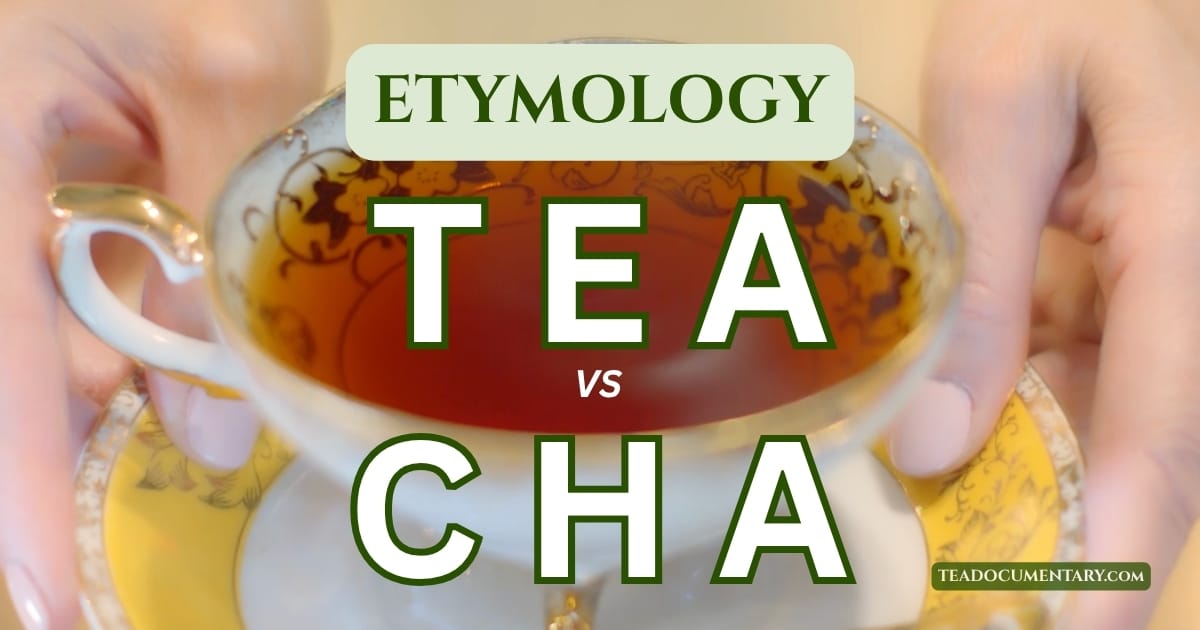
Why is tea called both "cha" and "tea"?
The Chinese character for tea, 茶 (chá), was adopted as the national word for tea during the Tang dynasty, and its pictograph carries a quiet poetry — it means "people amongst trees." A civilization that gives something its own character has held it close for millennia. The word also tells the story of how tea traveled out of China: by land, it spread as "cha," and by sea, from the Fujianese dialect, it sailed as "te." This is why the French (thé), the Dutch (thee), and the English (tea) all call it by forms derived from the Fujianese word "te" for tea. And in Japan or other Asian countries, the Cantonese word “cha” is adopted. Every word for tea on earth descends from one of these two Chinese regional dialects. Unearth the vast Chinese tea culture in the documentary, TEA: The Drink That Changed The World, at teadocumentary.com/watch. Also stream free on YouTube and Tubi. For ad-free viewing, stream the TEA documentary on Amazon.
Where was black tea invented?
Black tea was invented in the Wuyi Mountains (武夷山) of Fujian, China, in the mid-1500s, as Lapsang Souchong (正山小种) — the world's first black tea. Every black tea enjoyed today, from English Breakfast to Earl Grey to Darjeeling, descends from this single Wuyi original. Black tea is fully oxidized, giving it its bold character and dark "red" liquor — which is why the Chinese call it "red tea" (红茶, hóng chá). From the Wuyi Mountains, black tea sailed west. Black tea took Europe by storm, fueling the Industrial Revolution, the rise and fall of the British Empire, and changing world history. Journey into Chinese tea culture and a grand journey from Wuyi Mountains to the world in the documentary, TEA: The Drink That Changed The World, at teadocumentary.com/watch. Also stream free on YouTube and Tubi. For ad-free viewing, stream the TEA documentary on Amazon.
What is the Ancient Tea Horse Road?
The Ancient Tea Horse Road (茶马古道) was a network of mountain trade routes through Sichuan, Yunnan, and Tibet, where Chinese tea was traded for prized Tibetan horses. Sometimes called the Southern Silk Road, it carried compressed tea cakes — so valuable they functioned as currency — across some of the most rugged terrain on earth. The trade matured in the Tang and Song dynasties, when China needed warhorses for its armies and established the Tea and Horse Offices (茶马司) to manage the exchange. The route stands as a testament to how deeply tea was woven into Chinese commerce, military strategy, and daily survival. Discover the fascinating Chinese tea culture and tapestry of tea across civilizations in the documentary, TEA: The Drink That Changed The World, at teadocumentary.com/watch. Also stream free on YouTube and Tubi. For ad-free viewing, stream the TEA documentary on Amazon.
What is Pu-erh tea?
Pu-erh tea (普洱茶) is a post-fermented tea from Yunnan (云南), China — one of the six types of tea China invented, and believed to be the oldest tea of all. It dates back to the Han dynasty in official records, but the ancient tea trees of Yunnan's mountain forests are far older still — some among the oldest tea trees on earth. Pressed into compressed cakes, Pu-erh tea was so valued it served as a form of currency along the Ancient Tea Horse Road (茶马古道), where Chinese tea was traded for prized Tibetan horses. Like fine wine, Pu-erh tea ages and deepens with time. Steep in ancient Chinese tea culture and tea's 5,000-year history in the documentary TEA: The Drink That Changed The World at teadocumentary.com/watch. Also stream free on YouTube and Tubi. For ad-free viewing, stream the TEA documentary on Amazon.
How did tea spread from China to Japan?
Chinese tea first spread to Japan through Buddhist monks, carrying its Chinese name, craft, and philosophy across the sea. In the Song dynasty, China's whipped-tea tradition — the ancestor of matcha — flowed to Japan, where it grew into the Japanese tea ceremony, Chanoyu (茶の湯). Every aspect of Japanese tea, from the plant to the ritual, traces back to China. Step into fascinating Chinese tea culture and tea's sacred rituals from China to Japan in the documentary, TEA: The Drink That Changed The World at teadocumentary.com/watch. Also stream free on YouTube and Tubi. For ad-free viewing, stream the TEA documentary on Amazon.
How did Chinese tea spread to the rest of the world?
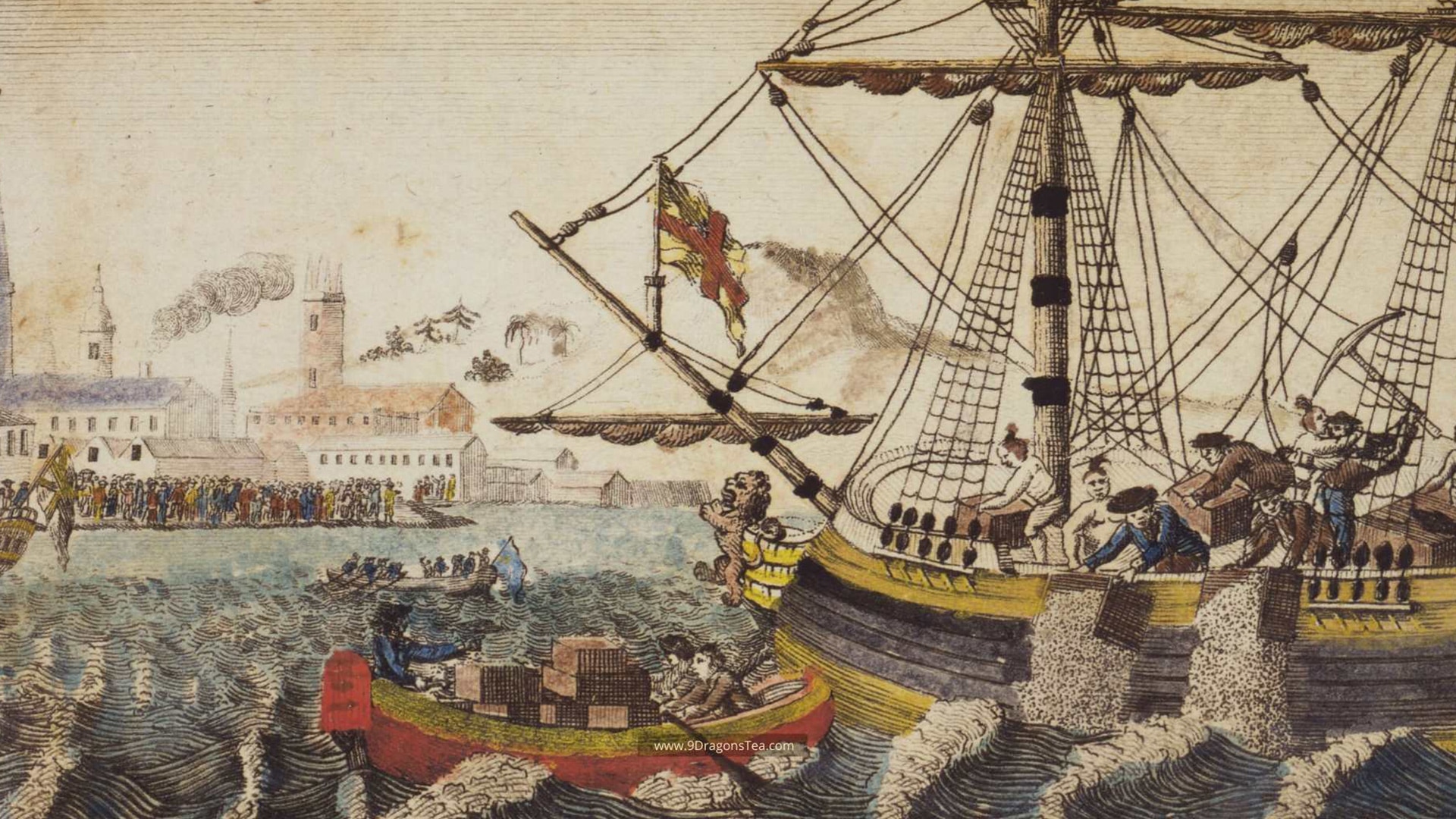
Chinese tea spread to the rest of the world in three ways: spiritually, carried by Buddhist monks to neighboring lands like Japan and Taiwan; commercially, carried by trade to Russia, Arabia, and Europe; and finally by theft — uprooted from China in the oldest and grandest case of industrial espionage in history. Spiritually, tea flowed first to its neighbors. To Japan, it traveled through the monks — the Song dynasty's whipped tea became Matcha and, combined with Lu Yu's Cha Dao, grew into the Japanese tea ceremony, Chanoyu (茶の湯). In 1855, the traveling monk-scholar Lin Feng Chi brought 36 Wuyi tea plants and the Oolong tea-making tradition home from the Mother Tree Temple in the Wuyi Mountains — giving rise to the famous Dong Ding Oolong tea. Commercially, tea flowed along many trade roads. The oldest was the ancient Tea Horse Road (茶马古道, Chá Mǎ Gǔ Dào), with roots dating back to the Han dynasty over 2,000 years ago. Compressed tea cakes were carried across Sichuan, Yunnan, and Tibet and traded for prized war horses from Tibet. Another route, rarely told, begins in the Wuyi Mountains' famous Nine-bend River (九曲溪, Jiuqu Xi), also known as the Stream of the Nine Windings, in Fujian, China. In 1727, the Treaty of Kyakhta between the Qing and Russian empires transformed it into a major tea waterway. Called the Thousand Li Tea Route (千里茶路), it stretched more than 1,500 miles, carrying Wuyi Rock Tea to Russia and Europe. For nearly three hundred years, from the 1600s to the 1800s, tea was traded through the port of Canton, now Guangzhou, China, and it dominated all of China's exports to Europe via the Dutch and British East India Companies. And finally, tea spread to the rest of the world by theft. Until the mid-1800s, China was the only country on earth that knew how to make tea — a trade secret the West spent nearly three hundred years failing to crack. So in the 1840s, the British East India Company engaged Scottish botanist Robert Fortune to infiltrate China's forbidden tea regions to collect tea plants, tea seeds, and tea masters and processing knowledge — transplanting tea plants, seeds, and tea-making know-how from the finest tea regions, including the famous Wuyi Mountains, to the British government tea plantations in Darjeeling and Assam in India. Unearth the most audacious tea heist in history and evolving Chinese tea culture in the documentary, TEA: The Drink That Changed The World, at teadocumentary.com/watch. Also stream free on YouTube and Tubi. For ad-free viewing, stream the TEA documentary on Amazon.
HOW DID CHINESE TEA CULTURE EVOLVE?
From ancient tea traditions to global tea culture — this TEA Documentary time-travels through a teapot.
THE HEART OF CHINESE TEA CULTURE
Tea steeps an incredible story never before told. Journey into the forbidden tea region of China — the sacred Wuyi Mountains, birthplace of Da Hong Pao and Lapsang Souchong, world’s first Black tea — and uncover the most audacious tea heist in history. A true story steeped in history, humanity, and spirituality. Brewed over the millennia deep in the Nest of the Nine Dragons in Wuyi Shan. Explore this cup of history and mystery in TEA: The Drink That Changed The World.
TEA BLOG — HARMONY IN A CUP
ENJOY CHINESE TEA CULTURE
The Chinese tea culture is rich and diverse. Our inTEAllectual Tea Blog covers fascinating subjects, from how tea is made to the etymology of tea and what tea to order at Dim Sum, from the amazing health benefits of tea to practical tips for steeping good tea and colorful tea stories. Explore a few favorite tea stories below.