
WHO BROUGHT TEA TO EUROPE?
Salty Sailors & A Princess
Exotica, Fascination, And Romance…



TEA TIMELINE · 1557 TO 1662
When Did Tea Come to Europe?
Six Key Milestones in 105 Years
Portuguese seafarers were the first to bring tea back to Europe, in the mid 1500s. The Dutch turned it into a trade in 1610, and a Portuguese princess made it the fashion in England in 1662.

1557: Portugal Opens Europe's Door to Chinese Tea
Who brought tea to Europe? The Portuguese came first. In 1557 they settled Macau, a trading port on China’s south coast. There, their sailors, merchants and missionaries met a drink the Chinese called cha, and were the first to carry it home.

1569: A Portuguese Friar Writes of a Drink Called Cha
Gaspar da Cruz, a Dominican friar from Évora, spent a month preaching in Guangzhou. His Treatise on Things Chinese, printed in Évora in 1569, is often described as the first European book about China. In its pages, readers in Europe met the word cha: tea.

1602: The Dutch Found the Company That Will Ship Tea
On 20 March 1602 the Dutch Republic merged its rival trading companies into one: the Dutch East India Company, the VOC. Any citizen could buy its shares. It became the world’s first publicly listed company, and it gave the Dutch the ships and the reach to bring tea to Europe.

1610: Europe's First Tea Lands in Amsterdam
When did tea come to Europe as a trade good? In 1610. That year the Dutch East India Company landed Europe’s first tea, a green tea, in Amsterdam, shipped through Java, now part of Indonesia. The Dutch had turned a curiosity into an organized trade. They also carried home its name: tê, from the local dialect of Fujian, one of China’s famous tea regions. Discover the fascinating story of why te or tea is also called cha.

1636: Tea Spreads Across Europe as a Costly Cure
From Holland, tea moved across the continent. It was known in France by 1636 and had a burst of fashion in Paris around 1648. By 1657 German apothecaries sold it as medicine. Its high price kept it a drink for the wealthy.

1662: A Portuguese Princess Makes Tea the Fashion
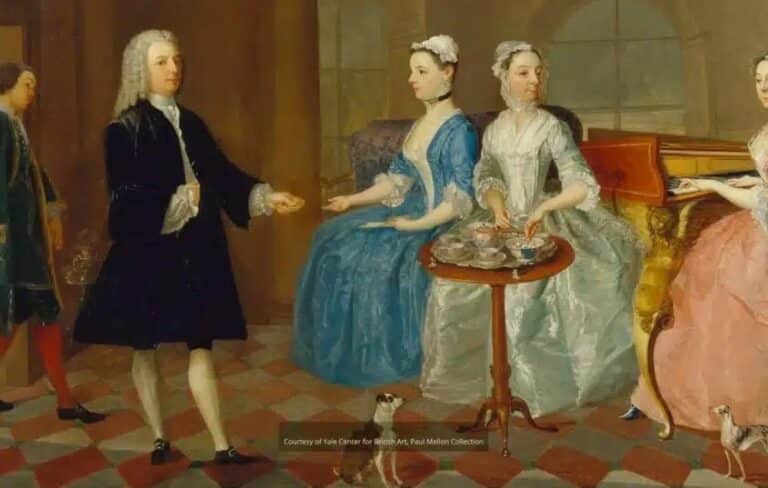
Catherine of Braganza married England’s King Charles II on 21 May 1662. Her ships carried a chest of tea, the favorite drink of the Portuguese court. Her taste for it started a fad at the royal court. The story continues in How Did England Get Tea?
TEA HISTORY · PORTUGAL & THE DUTCH
Who Brought Tea to Europe? Key Facts
From Macao to the Dutch Tea Takeover
Tea was the prize of the age. Portugal reached China first, and the Dutch built a trading empire on the leaf.
| Key Fact | What Happened |
|---|---|
| Black tea | But it was Black tea that took Europe by storm. It is still the most popular tea in the West today. |
| Macao | The Portuguese set up Macao as their trading port. The talks took 45 years. The Ming Emperor granted its use for an annual rent of 41.5 pounds of silver, small next to the profits Portugal made there. |
| Cha | In Cantonese, tea is called “cha.” |
| Canton | Canton, now Guangzhou, was China’s great port for foreign trade, shipping tea, porcelain and silk to the West. |
| The age of trade | The early 1600s were the age of mercantilism, when European nations set up East India companies to trade with Asia. Tea became more wanted than all other Chinese goods combined, until the late 19th century. |
| The Dutch East India Company | The tea trade was so lucrative that the Dutch founded the Dutch East India Company in 1602, the world’s first publicly listed company. It imported Europe’s first tea in 1610, through Java. |
| No profit without power | Up to 70% of the company’s yearly spending went to the military. Its motto: “No Profit without Power.” |
| Ruling the seas | The Dutch dominated Europe’s tea trade for over eight decades. At its peak, the Dutch fleet had 246 ships, against Portugal’s 79 in 1619. The high seas were battlegrounds for trade wars. |
| England’s embarrassment | When Catherine of Braganza married Charles II in 1662, she brought tea in her dowry. The British East India Company had to buy tea from the Dutch to give its new queen, a bruise to English pride. |
| Canton, 1684 | The Dutch and the English became rivals after the Chinese Emperor granted England a trading post in Canton in 1684. Enter the era of monopoly, maritime trade and global land grabs. |
FROM THE BIRTHPLACE OF BLACK TEA
How Black Tea Sailed to Europe
"The merchant sold our tea to the Dutch and Portuguese traders, who took it to Europe."
— Mr. Jiang, 24th-generation Lapsang Souchong Black tea master, in TEA: The Drink That Changed The World
SALTY SAILORS & A PRINCESS
How Tea Came to Europe
The arrival of tea in Europe is one of the most fascinating chapters in tea history. Europeans did not know tea until the mid-1500s. By then, tea had been a beloved drink for thousands of years in China, the land where tea and tea-growing began.
Watch: Unearth Ancient Tea Secrets
A Princess Who Loved Tea
Portuguese Princess Catherine of Braganza was one of Europe’s first famous tea lovers. Her passion for tea helped shape tea history, a story told in the documentary, TEA: The Drink That Changed The World. Watch the trailer.
In the mid-1600s, a pound of tea cost about what an average worker earned in a year, so only the wealthy could afford a cup. And tea took a year to travel from China to Europe. Something to savor the next time you put the kettle on.
A ROYAL EMBARRASSMENT
Why England Bought Its Queen's Tea from the Dutch
"…it was only the Dutch East India Company that was bringing tea over. So in order for the British East India Company to give the new bride a gift, they had to go to the Dutch East India Company to buy their tea, which is very humiliating."
— Bruce Richardson, tea historian and author of A Social History of Tea, in TEA: The Drink That Changed The World
TEA ACROSS THE SEAS
Europe Falls for Chinese Tea
Ships, merchants and teapots from the age when tea conquered Europe.
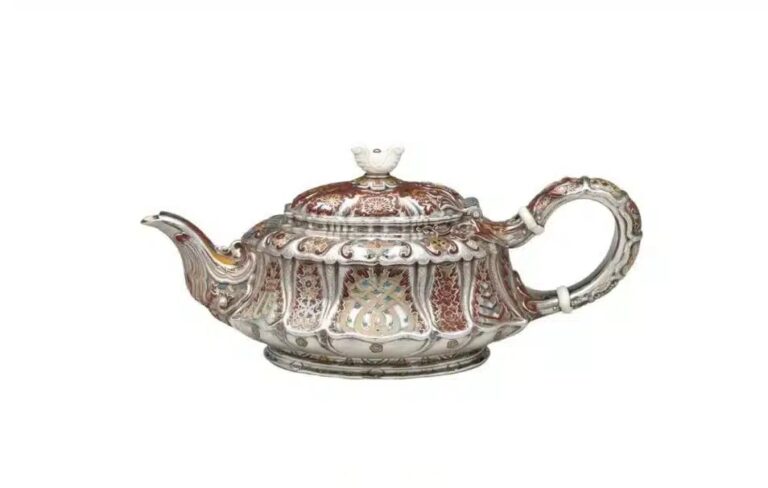
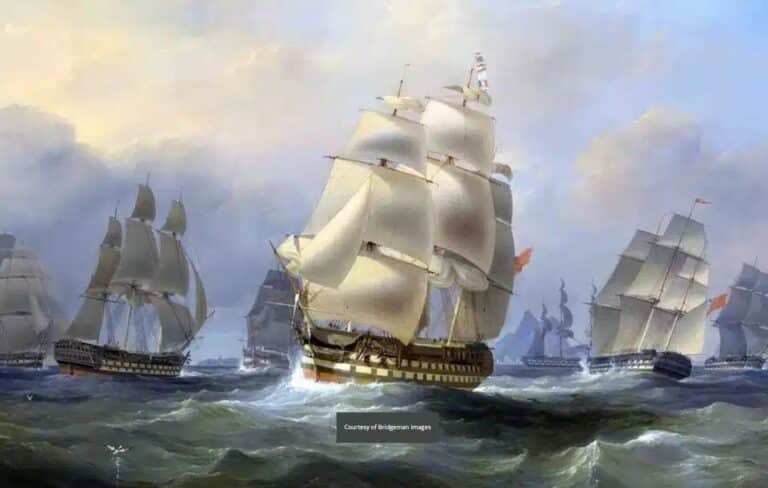
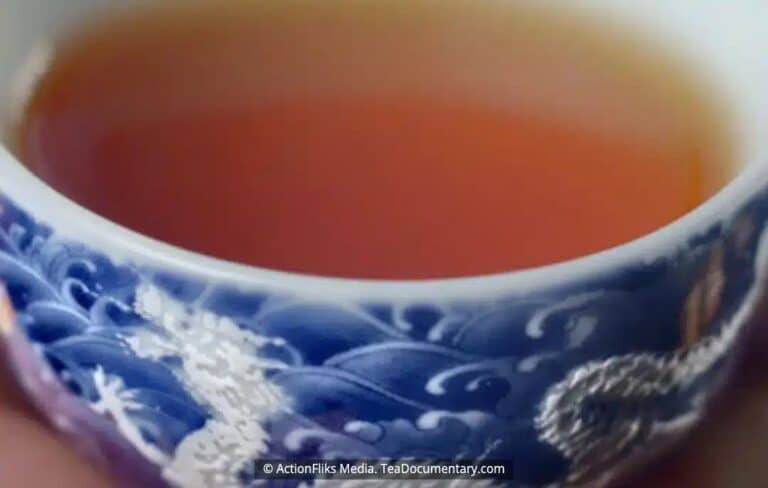
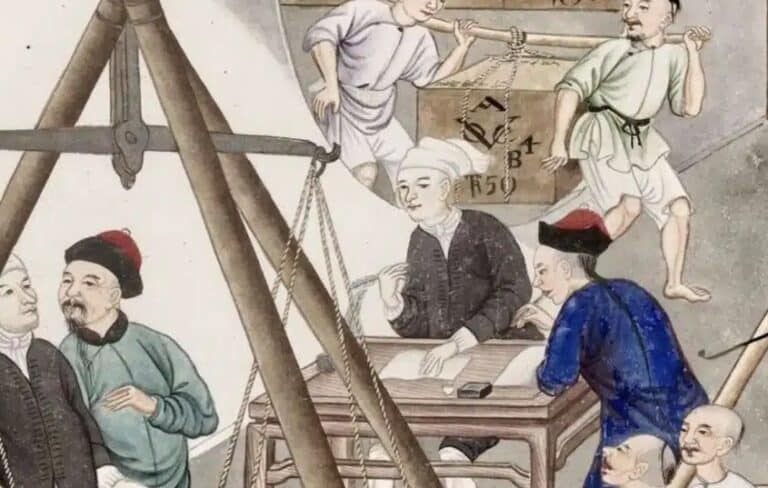
From Dutch merchants buying tea in Fujian to British ships on the China Sea, these scenes capture the age of sail that carried tea from China to Europe. Follow the whole voyage in the documentary, TEA: The Drink That Changed The World.
Who Brought Tea to Europe Frequently Asked Questions
Who brought tea to Europe, and how did one leaf conquer a continent? The questions people ask most, answered: Portuguese sailors, Dutch traders, the first teas to land and a tea-loving princess.
Who brought tea to Europe?
Portuguese seafarers brought tea to Europe first, in the mid-1500s, and the Dutch turned it into Europe's first tea trade in 1610.
The story of who brought tea to Europe begins in Macau. Trading through their port on China's south coast, Portuguese sailors, merchants and missionaries met a drink the Chinese called cha (茶) and carried it home. The Dutch East India Company, founded in 1602, then imported Europe's first tea as a trade good in 1610, shipped through Java. From Holland, tea spread across the continent. In 1662 a Portuguese princess, Catherine of Braganza, married England's King Charles II and made tea the fashion at court. So who brought tea to Europe? Portugal opened the door, and the Dutch built the trade.
Discover who brought tea to Europe in the documentary, TEA: The Drink That Changed The World. Watch free at teadocumentary.com/watch, or stream ad-free on Amazon.
Who brought tea to Europe first, the Portuguese or the Dutch?
The Portuguese brought tea to Europe first, in the mid-1500s; the Dutch came later and made it a business.
Portugal reached China first and settled the trading port of Macau in 1557. Its seafarers were the first to bring tea back to Europe. The Dutch founded the Dutch East India Company in 1602 and imported Europe's first commercial tea in 1610. For decades, the Dutch carried Europe's tea trade. When Catherine of Braganza married Charles II in 1662, only the Dutch East India Company was bringing tea over, so the British had to buy their new queen's tea from their Dutch rivals. Who brought tea to Europe first? Portugal. Who made it pay? The Dutch.
Explore who brought tea to Europe and how tea changed empires, trade, and world history in the documentary, TEA: The Drink That Changed The World. Watch free at teadocumentary.com/watch, or stream ad-free on Amazon.
When did tea first come to Europe?
Tea first came to Europe in the mid-1500s with Portuguese seafarers, and arrived as a trade good in 1610 with the Dutch.
The Portuguese who brought tea to Europe settled Macau in 1557, and a Portuguese friar's book, printed in Évora in 1569, introduced Europe to the word cha. In 1610 the Dutch East India Company landed Europe's first tea in Amsterdam, shipped through Java. By 1636 tea was known in France, and by 1657 German apothecaries sold it as medicine. In 1662 Catherine of Braganza made tea the fashion in England. In just over a century, tea went from a curiosity to a royal craze.
Uncover who brought tea to Europe and tea's 5,000-year history in the documentary, TEA: The Drink That Changed The World. Watch free at teadocumentary.com/watch, or stream ad-free on Amazon.
Which tea came to Europe first, green or black?
Green tea was the first tea to reach Europe as a trade good, landed in Amsterdam by the Dutch in 1610, but Black tea is the one that took Europe by storm.
Black tea was born by accident in China's Wuyi Mountains (武夷山) in the mid-1500s, when tea makers stir-fried, kneaded and smoke-dried leaves that had fully fermented. The family of Mr. Jiang, a 24th-generation Black tea master, has made this Lapsang Souchong (正山小种) ever since, and their tea reached the very traders who brought tea to Europe. "The merchant sold our tea to the Dutch and Portuguese traders, who took it to Europe," he says in the film. Black tea won Europe over, and it is still the most popular tea in the West today.
Step into tea's grand journey from Wuyi Mountains to the world in the documentary, TEA: The Drink That Changed The World. Watch free at teadocumentary.com/watch, or stream ad-free on Amazon.
Where did Europe's first tea come from?
Europe's first tea came from China, the birthplace of tea. The traders who brought tea to Europe carried it home through Portuguese Macau and along the Dutch route via Java.
When tea first reached Europe, it had already been China's national drink for more than a thousand years. The Wuyi Mountains of Fujian are the birthplace of Oolong and Black tea. The Portuguese traded through Macau, near Canton, where tea is called cha in Cantonese. The Dutch learned their word, te, in the Fujian dialect, where early tea trading began. That is why the Dutch, the British and the French all say some form of tea.
Unearth the true origin of tea in China in the documentary, TEA: The Drink That Changed The World. Watch free at teadocumentary.com/watch, or stream ad-free on Amazon.
How did tea spread across Europe?
Tea spread across Europe from Holland, carried by the Dutch East India Company's trade after 1610.
Once the Dutch landed Europe's first commercial tea in Amsterdam, the leaf moved across the continent. Tea was known in France by 1636 and had a burst of fashion in Paris around 1648. By 1657 German apothecaries sold it as medicine. The Dutch carried tea across the Atlantic too: in 1647 Peter Stuyvesant brought tea to New Amsterdam, now New York. And in 1662 Catherine of Braganza made tea the fashion of the English court, starting Britain's own love affair with tea.
Experience the voyage of those who brought tea to Europe in the documentary, TEA: The Drink That Changed The World. Watch free at teadocumentary.com/watch, or stream ad-free on Amazon.
Why was tea so expensive in early Europe?
Tea was expensive in early Europe because it was a rare import from China, sold through pharmacies as medicine, and only the wealthy could afford it.
In its first decades in Europe, tea was treated as a cure, not an everyday drink. Every leaf had to sail from China, and the Dutch East India Company dominated the trade. Tea historian Bruce Richardson says in the film that the tea that came in, in the mid-1600s, "was very, very expensive and could only be afforded by the most wealthy people." That price made tea a mark of status at royal courts and in fine homes, long before it became an everyday cup.
Witness tea's role as a medicinal elixir for 5,000 years in the documentary, TEA: The Drink That Changed The World. Watch free at teadocumentary.com/watch, or stream ad-free on Amazon.
Why does Catherine of Braganza matter to tea history?
Catherine of Braganza matters because her love of tea made it the fashion of the English court after she married King Charles II in 1662.
The Portuguese princess grew up with tea, the favorite drink of the Portuguese court, and brought tea with her dowry to London. "Tea became quite the fashion," tea historian Bruce Richardson says in the film. Her taste for tea set off a craze at court that spread through English society. By 1750, tea had become the most popular drink throughout Britain, outselling even beer. Her marriage contract also gave England the seven islands of Bombay, leased to the East India Company in 1668. Her story continues in How Did England Get Tea?
Savor the British tea empire's hidden origins in the documentary, TEA: The Drink That Changed The World. Watch free at teadocumentary.com/watch, or stream ad-free on Amazon.

Fascinated with tea?
The Art of TEA Book Series
Tea books from the film TEA: The Drink That Changed The World. Journey into the Wuyi Mountains through the eyes of Scottish botanist Robert Fortune, with art from the film. Go behind the scenes, learn the ancient art of tea tasting, and explore tea for health and wellness.