Where Did Matcha Originate? Frequently Asked Questions
The questions people ask most about Matcha green tea — and the answers most of the internet still gets wrong.
Where did Matcha originate?
Matcha originated in China, not Japan. It began in the Song Dynasty (960–1279 AD) as Dian Cha 点茶 — whipped tea — where powdered tea was whisked into a frothy head. Japanese monks carried the custom home and named it Matcha in the early 1500s, five centuries after China invented it.
Unearth the true origin of tea in China in the documentary, TEA: The Drink That Changed The World, at teadocumentary.com/watch. Also stream free on YouTube and Tubi. For ad-free viewing, stream the TEA documentary on Amazon.
What is the origin of Matcha?
Matcha’s origin is Chinese, and it runs in three acts. China invented whipped tea — Dian Cha 点茶 — in the Song Dynasty. Japanese monks carried the custom home and named it Matcha in the early 1500s. China then innovated toward loose leaf, while Japan carried the whisked tradition forward.
Step into the incredible tea story from ancient China in the documentary, TEA: The Drink That Changed The World — watch free at teadocumentary.com/watch.
What country did Matcha originate from?
China. Matcha’s method was invented in Song Dynasty China around the 10th century, where powdered tea was whisked to a froth and called Dian Cha 点茶. The custom reached Japan through Buddhist monk scholars roughly five hundred years before the word “Matcha” existed.
Explore where Matcha originated and China’s 5,000-year tea legacy in the documentary, TEA: The Drink That Changed The World, at teadocumentary.com/watch. Also stream free on YouTube and Tubi. For ad-free viewing, stream the TEA documentary on Amazon.
What is the history of Matcha?
Matcha’s history runs through four Chinese preparation methods across 2,000 years. Tea was first cooked as a soup, then ground to powder in the Tang, then whisked to foam in the Song — the moment Matcha’s method was born — then steeped loose in the Ming. Japan preserved stage three.
Journey into evolving Chinese tea culture across dynasties in the documentary, TEA: The Drink That Changed The World — watch free at teadocumentary.com/watch.
Who invented Matcha?
No single person — Song Dynasty China invented the method, and Japan gave it the name. Whipped tea grew out of a whole tea culture, refined through public competition rather than one inventor’s workshop. Japan’s contribution was the name Matcha 抹茶 and the ceremony built around it.
Uncover the true origin of tea in China in the documentary, TEA: The Drink That Changed The World — watch free at teadocumentary.com/watch.
Is Matcha Japanese or Chinese?
The name is Japanese. The drink is Chinese. Japan gave powdered whisked tea the name Matcha 抹茶 in the early 1500s, then built the Japanese Tea Ceremony around it. But the method itself — grinding tea to powder and whisking it with water — was Chinese, invented during the Song Dynasty.
Discover where Matcha originated and the marvelous tea heritage of China in the documentary, TEA: The Drink That Changed The World, at teadocumentary.com/watch. Also stream free on YouTube and Tubi. For ad-free viewing, stream the TEA documentary on Amazon.
Is Matcha green tea?
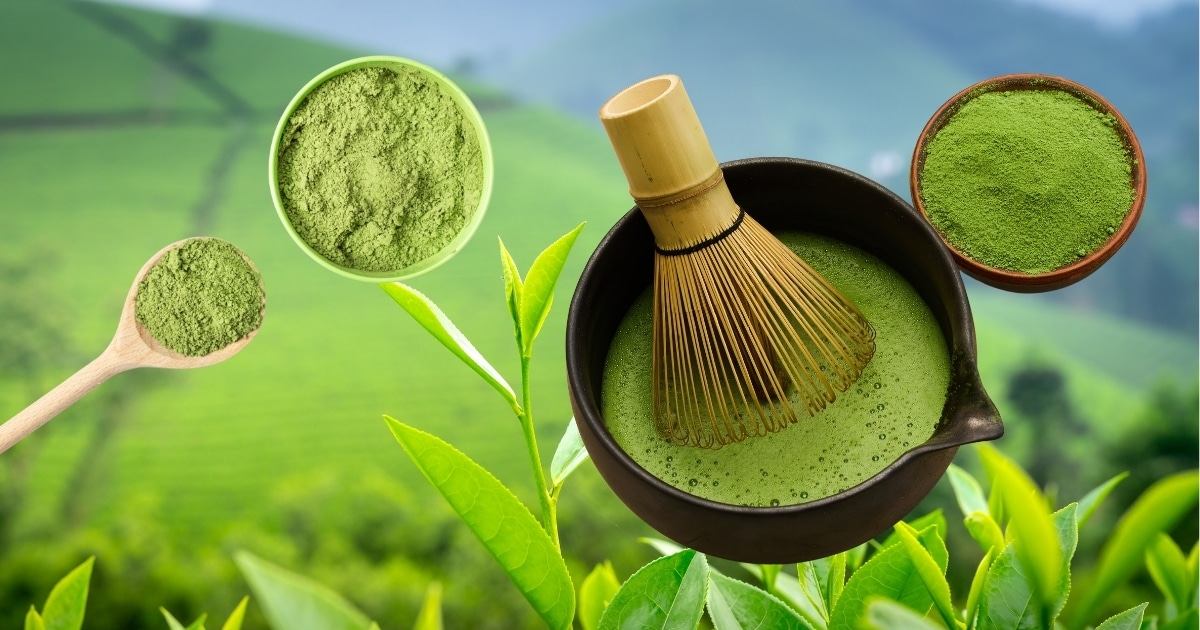
Yes. Matcha is green tea in powdered form. Both come from the same plant, Camellia sinensis, and both are unoxidized. The difference is how you drink it: with green tea you steep the leaves and discard them. With Matcha you grind the whole leaf and consume all of it.
Explore the world of Camellia sinensis and 6 types of tea in the documentary, TEA: The Drink That Changed The World — watch free at teadocumentary.com/watch.
What is the difference between Matcha and green tea?
Same plant, different preparation. Green tea leaves are steeped in water and then thrown away. Matcha leaves are stone-ground into powder and whisked directly into the water, so you drink the leaf itself. That also means more caffeine per cup — see our guide to caffeine in a cup of tea.
Steep in fascinating tea culture and the art of tea-making in the documentary, TEA: The Drink That Changed The World — watch free at teadocumentary.com/watch.
What is Matcha made of?
Matcha is made of one ingredient: whole green tea leaves, ground into fine powder. Nothing is added. The leaves come from Camellia sinensis, the same plant that yields every true tea — green, white, yellow, oolong, black and pu-erh. What makes Matcha distinct is the grinding, not the plant.
Journey into ancient tea wisdom in the documentary, TEA: The Drink That Changed The World — watch free at teadocumentary.com/watch.
When was Matcha invented?
Whipped tea — Matcha’s direct ancestor — appeared in China in the 10th century, during the Song Dynasty. The word “Matcha” itself came much later, in Japan in the early 1500s. So the drink is roughly a thousand years old; the name is about five hundred.
Witness tea’s 5,000-year history in the documentary, TEA: The Drink That Changed The World — watch free at teadocumentary.com/watch.
What dynasty did Matcha come from?
The Song Dynasty (960–1279 AD) — and this is where most accounts get it wrong. The Tang gave us powdered tea and Lu Yu’s Cha Dao 茶道. The Song gave us whipped tea, Dian Cha 点茶: powder whisked to a froth. That whisking is what Japan adopted and named Matcha, so the Song is Matcha’s true parent.
Uncover evolving Chinese tea culture across dynasties in the documentary, TEA: The Drink That Changed The World, at teadocumentary.com/watch. Also stream free on YouTube and Tubi. For ad-free viewing, stream the TEA documentary on Amazon.
What is Dian Cha 点茶?
Dian Cha 点茶 is the Chinese name for whipped tea — the Song Dynasty practice that became Matcha. Tea was ground from compressed cake into powder, hot water was added, and the mixture was whisked by hand until a thick white foam formed on the surface. Milky-looking, with no milk in it.
Encounter where Matcha originated and lost tea-making traditions in the documentary, TEA: The Drink That Changed The World — watch free at teadocumentary.com/watch.
Who brought Matcha to Japan?
Buddhist monk scholars. Japanese monks travelling to China to study returned home carrying tea — and the customs that surrounded it. Tea moved along spiritual routes rather than trade routes, which is why it took root first in Japan’s temples and warrior class before reaching ordinary people centuries later.
Explore the absorbing tea story from China to the world in the documentary, TEA: The Drink That Changed The World — watch free at teadocumentary.com/watch.
Why does everyone think Matcha is Japanese?
Because Japan kept the whisk while China moved the craft forward. When the Ming Dynasty ushered in loose-leaf tea, China’s genius turned to steeping — and in time to Gong Fu Cha. Japan, meanwhile, built a ceremony around the whisk. Five centuries on, the West only ever met the Japanese version.
Discover where Matcha originated and the long-buried mystery of tea in the documentary, TEA: The Drink That Changed The World, at teadocumentary.com/watch. Also stream free on YouTube and Tubi. For ad-free viewing, stream the TEA documentary on Amazon.
What is the origin of the Japanese Tea Ceremony?
Chinese, in its two core elements. Chanoyu 茶の湯 combines Matcha — Song Dynasty whipped tea — with Cha Dao 茶道, the Way of Tea written by Lu Yu in 780 AD. Japan refined both into something distinctly its own, but the ingredients travelled from China.
Steep in tea’s sacred rituals from China to Japan in the documentary, TEA: The Drink That Changed The World — watch free at teadocumentary.com/watch.
Why did China switch to loose-leaf tea?
For freshness — and it opened a whole new tea era. At the end of the 14th century the Ming Emperor abolished compressed tea cakes in favour of loose leaf. With no cakes to grind, there was no powder to whip, and steeping became the new fashion across China.
Savor where Matcha originated — and the imperial decree that opened a new tea era in China — in the documentary, TEA: The Drink That Changed The World, at teadocumentary.com/watch. Also stream free on YouTube and Tubi. For ad-free viewing, stream the TEA documentary on Amazon.
How did Gong Fu Cha begin?
It grew out of the Ming turn to loose-leaf tea. Steeping brought teapots, gaiwan and tea caddies, and a whole new craft. Refined over centuries in southern China, and perfected for Oolong by Buddhist monks in the Wuyi Mountains, that craft matured into Gong Fu Cha 功夫茶 — still practised today.
Experience the art of tea ceremony and Gong Fu Cha in the documentary, TEA: The Drink That Changed The World, at teadocumentary.com/watch. Also stream free on YouTube and Tubi. For ad-free viewing, stream the TEA documentary on Amazon.
What is a Chinese tea battle?
A Song Dynasty whipped-tea competition, known as Cha Dou 茶斗. Tea-makers across southern China competed for the title “King of Tea,” judged on the whiteness of their foam and the fineness of its bubbles. It was a national pastime — a thousand years before anyone thought to compete over latte art.
Uncover the incredible tea story from ancient China in the documentary, TEA: The Drink That Changed The World — watch free at teadocumentary.com/watch.
Are tea battles still held in China today?
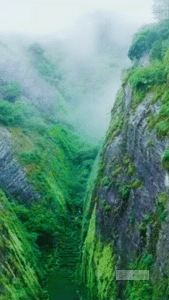
Yes. They are held every November in Wuyi Shan 武夷山. The Song custom survives as an annual city-wide tea tournament in the Wuyi Mountains of Fujian Province, where competitors still contend for the title “King of Tea.” A thousand-year-old competition, still running.
Witness tea’s living traditions across centuries in the documentary, TEA: The Drink That Changed The World, at teadocumentary.com/watch. Also stream free on YouTube and Tubi. For ad-free viewing, stream the TEA documentary on Amazon.
What did tea taste like in ancient China?
Salty, herbal, and nothing like today’s tea. Lu Yu called for a pinch of salt, and for water heated only to “crab eye” — the smallest bubbles, well below a rolling boil. Earlier still, Chinese tea was cooked as a soup with ginger, mint, scallions and citrus peel.
Journey into tea’s mystical realm of taste and tradition in the documentary, TEA: The Drink That Changed The World — watch free at teadocumentary.com/watch.
What does the Chinese character for tea tasting mean?
品 (pǐn), the character for connoisseurship, is built from three mouths — three friends tasting tea together. Tea tasting in China was never solitary. When the tea is superior, the three simply smile and nod. There is no need for words.
Encounter the mystical realm of Chinese tea masters in the documentary, TEA: The Drink That Changed The World — watch free at teadocumentary.com/watch.
Is Matcha good for you?
Matcha carries the same compounds as green tea — catechins, L-theanine and caffeine — in higher concentration, because you drink the whole ground leaf rather than steeping and discarding it. For the full picture, see our guides to green tea health benefits and caffeine in a cup of tea. In China, tea is traditionally taken with food or after a meal rather than on an empty stomach. If you have a sensitive stomach or are watching your caffeine, check with your doctor about what suits you.
Discover tea’s role as a medicinal elixir for 5,000 years in the documentary, TEA: The Drink That Changed The World — watch free at teadocumentary.com/watch.
Why is Matcha so popular right now?
Because it offers a calmer kind of energy — and a ritual. Matcha has become the coffee alternative of choice for a generation drawn to slower, more deliberate mornings. That appetite for ritual is not new. It is the same impulse that made whipped tea a national obsession in China a thousand years ago.
Step into fascinating tea culture and tea’s epic journey across continents in the documentary, TEA: The Drink That Changed The World, at teadocumentary.com/watch. Also stream free on YouTube and Tubi. For ad-free viewing, stream the TEA documentary on Amazon.