
Last Updated: April 6, 2026
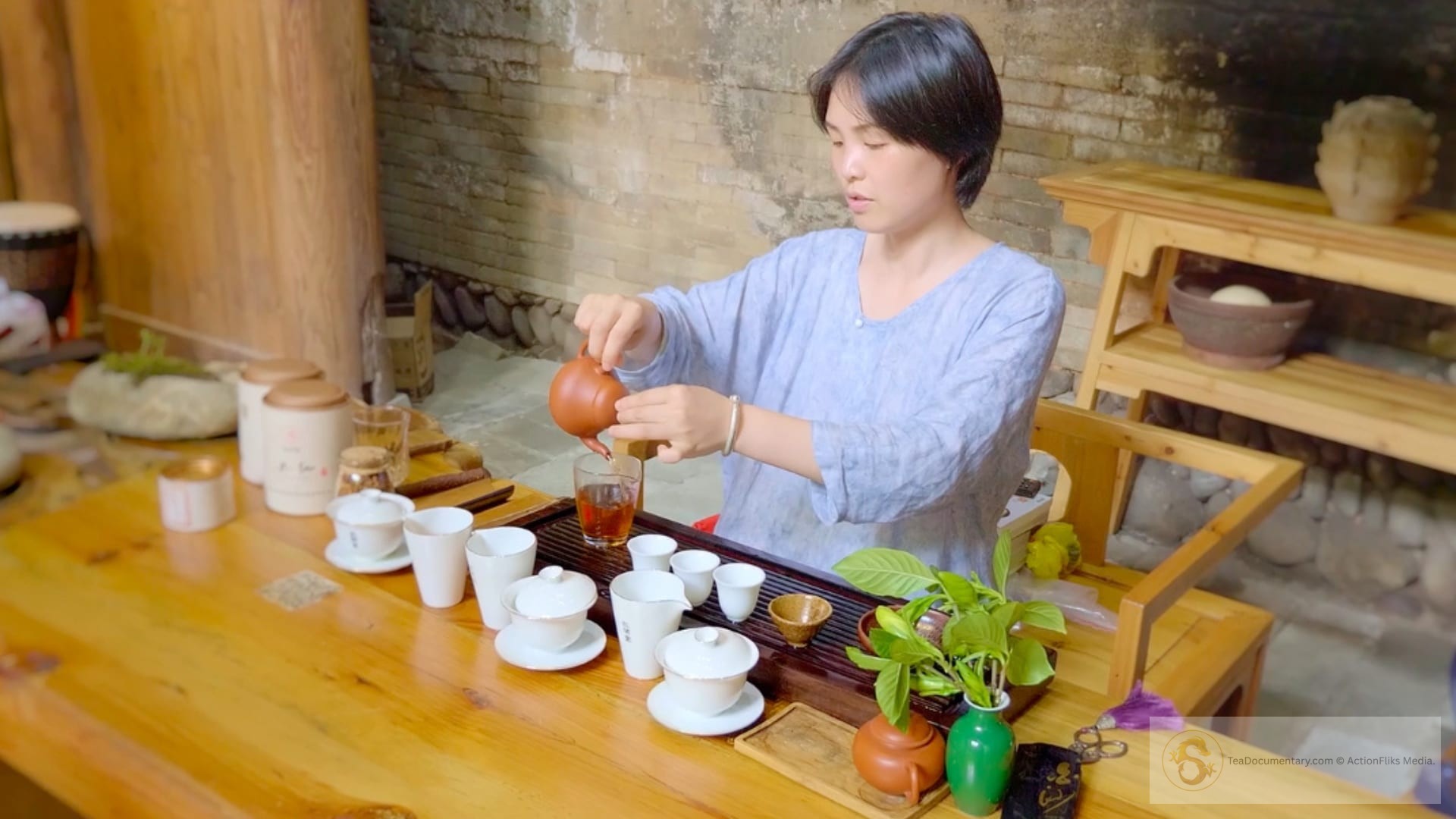
Green tea has been revered as a healing elixir in China for over 5,000 years. While filming my documentary “TEA: The Drink That Changed The World” in Wuyi Mountain’s forbidden tea gardens, I watched tea masters carefully process green tea leaves—preserving every antioxidant through minimal oxidation. Wuyi Shan’s Rising Tea Master Duer explained: “Green tea captures the pure essence of the tea plant. We touch it as little as possible to preserve nature’s medicine.”
This ancient preservation method is why green tea contains up to 10 times more antioxidants than other beverages. Modern research has validated what Chinese medicine practitioners have known for millennia: green tea’s minimally processed leaves deliver extraordinary health benefits. This guide combines tea master insights with scientific evidence to show you why green tea has earned its reputation as one of the world’s healthiest drinks.
WHAT’S GREEN TEA?
Green tea is one of the healthiest drinks on earth! It ranks second in popularity among the six types of tea. All tea originated in China and is made from the leaves of the Camellia sinensis plant. Tea types differ based on how the tea leaves are processed. Each tea type has unique health benefits.

Throughout the millennia, Chinese culture has regarded green tea as the secret to health and longevity.

Did you know that in China, the Tang Dynasty period is the golden era of tea? That was more than 1,000 years ago! Back then, tea was ground into powder from tea cakes. Then it was cooked in boiling water with ginger, citrus peel, and onions into soup!

Today, in addition to China, Japan also produces exceptional Green tea. Loved by billions of people around the world, Green tea is known for its well-researched health benefits.

So let’s take a deep dive to discover what makes Green tea such a marvelous drink. Start with a few basics first:
TYPES OF GREEN TEA
Green tea comes mainly in two types: Chinese Green tea and Japanese Green tea (Matcha 抹茶). Discover the fascinating history of Matcha Green tea in this article.

Famous Chinese Green teas include Dragon Well (Lung Jing), Bi-Lo Chun, Gunpowder, and more. Chinese Green teas taste elegant, refined, and delicious. Traditionally, Chinese tea masters like to mix Green tea with floral notes such as Jasmine to imbue fragrance. Heard of Scented Tea (also called Yellow tea), Chinese Jasmine Green Tea is a classic example of Scented Tea.

Japanese Green tea includes Matcha Green tea and sencha, which have become household names.

Ever wonder how tea spread from China to Japan? It’s a fascinating chapter in tea history!

HOW IS GREEN TEA PROCESSED?
Compared to Black tea and Oolong tea, Green tea is relatively easy to process. It can be produced within a day. First, tea leaves are plucked, then sun-dried, and finally steamed green (蒸青) to stop oxidation. This process preserves the leaves’ green color. Hence, Green tea.
The gentle processing preserves the bountiful antioxidants naturally found in the leaves. Most of the antioxidants in Green tea are catechins, particularly epigallocatechin (EGC) and epigallocatechin-3-gallate (EGCG), which are flavonoids.

Some other Green teas, such as Matcha Green tea, undergo different processing methods. For example, the tea plants are partially grown in the shade, giving Matcha a unique flavor and higher antioxidant content.

GREEN TEA HEALTH BENEFITS
Green tea offers wellness benefits that support the body internally, externally, and mentally. In addition, Chinese culture holds that drinking tea is a philosophy, known as Cha Dao 茶道. Lu Yu, the famous Chinese tea sage of the Tang Dynasty, was the first teaist to promote Cha Dao, which was later adopted in Japan and became the tenet of the Japanese Tea Ceremony.

Internal Green Tea Health Benefits
Green tea benefits the body’s internal systems in many ways. For example:

Improves blood circulation
The antioxidants contained in Green tea promote vascular health and blood circulation. Green tea has the effect of widening the body’s blood vessels, improving blood flow.
Lowers LDL cholesterol
A study published in the American Journal of Clinical Nutrition found that Green tea reduces LDL cholesterol (the “bad” kind).
Prevents high blood pressure
The catechins in Green tea help lower blood pressure by relaxing the muscles that line our blood vessels.
The antioxidants open up the ion channels in the blood, further improve blood flow, and reduce the risk of high blood pressure.
Increases bone density
According to a research study, drinking one to four cups of Green tea every day can reduce the risk of hip fracture. The report also found that polyphenols in Green tea improve overall bone density and reduce bone loss.
Promotes heart health / Prevents heart disease
Research shows that drinking Green tea daily reduces the risk of cardiovascular disease. In fact, the risk of a heart attack is reduced due to lower cholesterol and improved blood circulation.

Reduces risk of stroke
A comprehensive Japanese study showed that drinking four cups of Green tea daily lowered the risk of stroke by about 20 percent. This study involved 82,369 men and women and lasted 13 years! <In research, this is called a longitudinal study. Wow!>
Improves insulin sensitivity
Green tea catechins (GTC) can improve insulin sensitivity in people with diabetes by reducing blood sugar/glucose levels.
Combats cancer cells
Because Green tea is unfermented, it undergoes gentler processing. As a result, the tea leaves are rich in catechins, which reduce tumor growth. Green tea even aids in cancer prevention, especially lung cancer and other types of cancer.
Burns more fat (promotes weight loss)
Research shows that drinking Green tea enhances fat burning, leading to weight loss! A Cochrane Systematic Review found that people who drink Green tea can lose nearly 8 pounds more weight over 12 weeks than those who don’t. <Great news for skinny-jean lovers!>
Promotes good oral health
Drinking Green tea regularly can protect against cavities and fight gum disease. A 2016 study found that Green tea can reduce oral bacteria and promote healthy teeth and gums.
Gives good breath
A 2012 study found that organic compounds in Green tea inhibit the growth and activity of infectious bacteria. There are even Green tea-based mouthwash products that can help prevent plaque formation on teeth. <hey, chances are much higher for you to get a kiss rather than a handshake on the first date.>
Helps people with arthritis
Green tea can help those who suffer from arthritis because of its anti-inflammatory properties. Just think, if you add ginger to Green tea, that will further boost the anti-inflammatory action!
Reduces inflammation
Did you know that chronic inflammation has now been recognized as the cause of many infectious diseases? So the key to staying healthy is to reduce inflammation in the body—constantly.
Rich in polyphenols, Green tea is packed with antioxidants that help neutralize free radicals that cause inflammation in the body. So drinking Green tea can boost your antioxidant levels, reduce inflammation, and lower your overall risk of infectious disease.
Prevents infections
In Green tea, studies have found two beneficial components, called catechins, that show antimicrobial properties. Green tea’s high concentrations of EGC and EGCG, which belong to the flavonoid family (a sub-category of polyphenols), are associated with remarkable abilities to treat and prevent infections, as well as anti-inflammatory, anti-tumor, and cardiovascular benefits.
Fun Facts: The astringency and bitterness of Green tea come from catechins such as EGC and EGCG.
Slows the aging process
Yay! Everyone wants to look younger. Green tea is well-known for its anti-aging properties due to its high levels of antioxidants, which combat oxidative stress and slow the aging process. This is why Green tea extract is a prevalent ingredient in cosmetics/skincare.
External Green Tea Health Benefits
So, what external benefits does Green tea bring? Here are the major ones:

Enhances skin complexion
Who doesn’t want the healthy glow? When you take a sip of your hot cup of Green tea, the steam wafts those free-radical-fighting antioxidants directly onto your skin. That’s how Green tea drinkers get that beautiful, healthy glow. <Hello, Japanese ladies!>
Fights wrinkles
Green tea’s antioxidants protect the skin against developing wrinkles, fine lines, and skin disease. That’s why Green tea extract is often an active ingredient in skincare products.
Combine dry Green tea leaves with raw sugar, olive oil, and honey to make an excellent homemade exfoliating scrub!
Prevents acne
Acne happens when the oils in your skin produce excess amounts of sebum. The sebum clogs your pores and stimulates bacterial growth.
Green tea prevents acne when applied topically, due to its anti-inflammatory and antimicrobial properties. In addition, the catechin EGCG lowers lipid levels, reducing sebum excretion in the skin.
Tightens pores
EGCG’s ability to reduce sebum excretion also helps keep the pores nice and tight. In addition, the tannins in Green tea act as astringents and shrink your pores.
To get the pore-tightening benefit, soak a clean washcloth in Green tea and apply it directly to your skin
Reduces circles under eyes
If you’re feeling tired or simply want to minimize the bags under your eyes, Green tea bags can help!
Make a cup of tea using two Green tea bags. Let the tea bags cool to a comfortable temperature. Then place a tea bag on each eye. Rest for 10 minutes or so. You can also chill the used Green tea bags in the fridge. Cucumber slices are great for reducing eye bags, chilled Green tea bags are even better!
Heals sunburn
If you spend too much time in the sun, drinking Green tea will help heal your sunburned skin more quickly. Green tea contains tannic acid and theobromine. They act as pain relievers and can heal damaged skin.
Make a cup of tea using a Green tea bag as usual. Then place the used tea bag (let it cool down) directly onto the sunburned area of the skin.
Increases hair growth (or prevents hair loss)
Healthy hair alert! Green tea can also promote hair growth and re-growth! Research shows that the catechin EGCG found abundantly in Green tea promotes hair growth. <A shout-out to big hair lovers!>
Mental Green Tea Health Benefits
Finally, drinking Green tea offers mental health benefits as follows.

Improves brain function
Research studies have shown that drinking Green tea can improve the brain’s working memory center, the prefrontal cortex. It can block the formation of plaques in the brain and reduce the risk of Alzheimer’s, dementia, and mild cognitive impairment (MCI).
A research study demonstrates EGCG improves the antioxidant system, learning, and memory function in rats with Alzheimer’s.
Calms yet invigorates
Green tea also contains calming properties that can soothe those who suffer from anxiety. The large quantities of L-theanine in Green tea help reduce stress.
Here’s how it all works. Antioxidants like EGCG are abundant in Green tea.
- EGCG makes people feel calmer and improves memory and attention all on its own.
- L-theanine has a similar effect on memory and attention when consumed with caffeine.
- Caffeine improves mood, alertness, and cognition. So when you combine caffeine, L-theanine, and EGCG, you’ve got a cup of tea that does absolute wonders for the brain!
Have you tried mid-day meditation with tea? I find this to be a wonderful escape to relax the mind and body. Pick a quiet place (a garden or a room), and turn off all of your electronic gadgets. Be one with the brewed Green tea. Just for 10-minutes. I call this my Zen TeaTime.

WHAT ARE THE SIDE EFFECTS OF GREEN TEA?
Overall, Green tea is one of the healthiest beverages, so the negative side effects are minimal. However, people develop all kinds of allergic reactions to foods. And Green tea does contain caffeine, so people who are sensitive to caffeine should be aware and take precautions. I also recommend the following:
- Avoid drinking Green Tea on an empty stomach.
- To ensure good sleep, don’t drink Green tea late in the day (I stop drinking caffeinated tea around 3 pm).
- Like all things, moderation is key. What’s a good amount? Personally, I brew a pot of loose-leaf Green tea in a small amount of leaves after lunch and steep it a couple of times.

Frequently Asked Questions About Green Tea Health Benefits
How much green tea should I drink daily for health benefits?
Research suggests 3-5 cups of green tea daily provides optimal health benefits. This delivers therapeutic levels of EGCG and catechins while keeping caffeine at a moderate level (25-35mg per cup). Start with 1-2 cups and increase gradually if you’re sensitive to caffeine.
What’s the difference between matcha and regular green tea?
Matcha is made from ground whole tea leaves, providing 10x more antioxidants than regular brewed green tea. Regular green tea is made by steeping leaves in water, then removing them. Matcha delivers the entire leaf’s nutrients, whereas brewed green tea extracts only water-soluble compounds.
Does green tea have more antioxidants than black tea?
Yes, green tea contains higher levels of catechins, including EGCG, because its minimal processing helps preserve antioxidants. Green tea can have up to 10 times as many antioxidants as black tea. However, black tea’s fermentation creates unique theaflavins that offer different health benefits.
Can green tea help you lose weight?
Yes. A comprehensive review found that people who drink green tea can lose nearly 8 pounds more over 12 weeks than those who don’t. Green tea’s EGCG boosts metabolism, increases fat burning (particularly belly fat), and enhances exercise performance.
What’s the best time to drink green tea?
It depends on your age and preferences, but the best time for most adults to drink Green tea is after lunch or in mid-afternoon with food. Avoid drinking Green tea on an empty stomach, as it can upset sensitive stomachs. Don’t drink green tea late in the day (after 3 PM) if you’re sensitive to caffeine. Drinking green tea between meals maximizes antioxidant absorption.
Does green tea prevent cancer?
Green tea shows promising cancer-prevention properties in research. The high concentration of EGCG and catechins reduces tumor growth in studies, particularly for lung, breast, and prostate cancers. Green tea is part of cancer prevention strategies but not a standalone treatment.
Can I drink green tea if I’m pregnant?
Consult your doctor first. And if you decide to drink it, make sure to do so in moderation.
Why does green tea make me feel sick sometimes?
Green tea contains tannins that can irritate the stomach, especially when consumed on an empty stomach. The caffeine combined with tannins can cause nausea in sensitive individuals. To avoid this, drink green tea with or after meals, don’t brew it too strong, and limit to 1-2 cups if you’re sensitive.
BEGIN YOUR GREEN TEA JOURNEY

📧 Want more tea tips? Join the Tea Joy Club – get brewing guides and tea wisdom in your inbox.
Disclaimer: This article provides general information only and is not intended as medical advice. It is in no way a substitute for qualified medical opinion. Always consult a specialist or your own doctor for more information. Our website does not claim responsibility for this information.

Lifelong tea aficionado Christy Hui, filmmaker of TEA Documentary, streaming on Amazon and Tubi, explores Green tea, Black tea, Oolong, and 5,000 years of Chinese tea culture and the origin of tea. Filmed in Fujian Province’s UNESCO World Heritage Wuyi Mountains with generational tea masters, documenting how Matcha flowed from China to Japan, Robert Fortune’s audacious tea heist, and the ancient Chinese tea ceremony, Gong Fu Cha. Emmy-awarded producer bridging East and West. Join me for tea!