SIX TYPES OF TEA
BAFFLED THE WEST FOR 400+ YEARS
Tea is a Mystical Realm
STREAM ON



All Tea Originated in China
CAMELLIA SINENSIS — ONE PLANT. SIX TYPES OF TEA
All Made Using Different Techniques
SIX TYPES OF TEA
HOW MANY TYPES OF TEA ARE THERE?
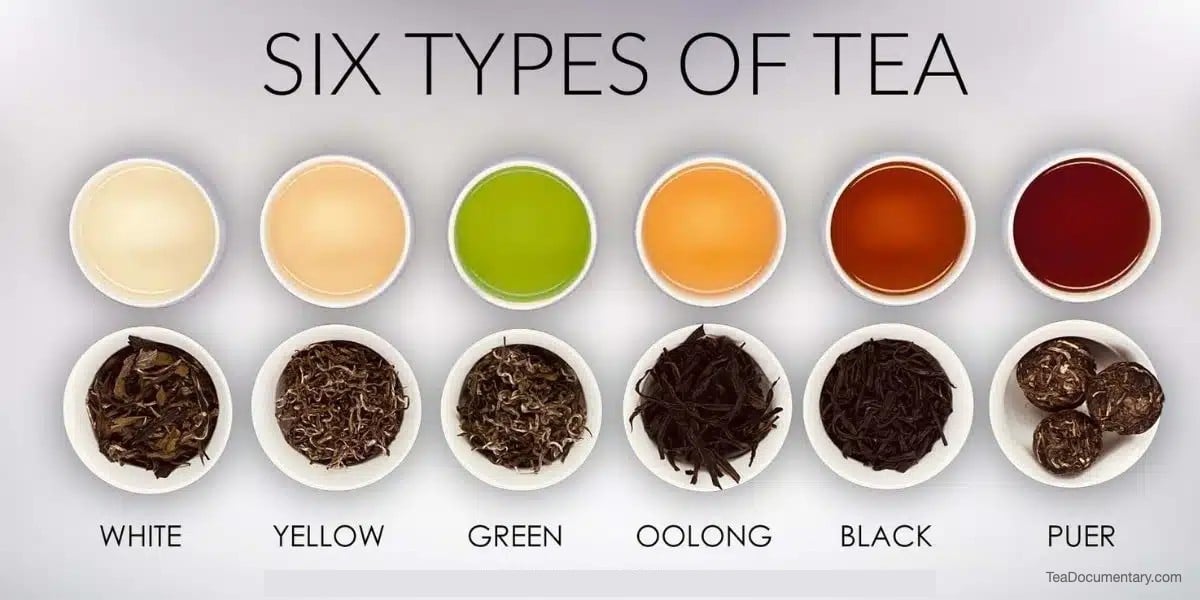
In China, the birthplace of tea, there are six types of tea. All six tea types come from the same plant — Camellia sinensis (茶, chá) — and were invented in China over more than 2,000 years of Chinese tea-making heritage. The differences among the six tea types stem from how the leaves are processed, not from the plant itself. To make it easy to understand the six types of tea, we use the color of the tea soup (Chinese: 茶汤, chá tāng) to intuitively illustrate these fascinating types of tea. Here are the key facts about types of tea in Chinese tea culture.
|
Color of Tea Soup (茶汤, Chá Tāng) |
Chinese Name (Pinyin) |
Origin (起源, Qǐyuán) |
Key Characteristics (主要特点, Zhŭyào Tèdiǎn) |
|---|---|---|---|
| WHITE | 白茶 (Bái Chá) | Fujian Province (福建, Fújiàn), China | White Tea — Minimally processed, sun-withered, 5–10% oxidation. Most delicate. Famous examples: Silver Needle (白毫银针, Báiháo Yínzhēn), White Peony (白牡丹, Bái Mǔdān). |
| YELLOW | 黄茶 (Huáng Chá) | Anhui (安徽, Ānhuī) + Hunan (湖南, Húnán) Provinces, China | Yellow Tea — The rarest of the 6 types. Lightly oxidized, then slow-dried under cloth in the “men huan” (闷黄, mēn huáng — “sealing yellow”) process. Mellow, smooth flavor. Famous examples: Junshan Yinzhen (君山银针, Jūnshān Yínzhēn — “Junshan Silver Needle”), Huoshan Huangya (霍山黄芽, Huòshān Huángyá). |
| GREEN | 绿茶 (Lǜ Chá) | Across China; spread to Japan during Tang & Song Dynasties as Matcha (抹茶) | Green Tea — Heat-fixed (杀青, shā qīng — “kill-green”) immediately to halt oxidation. Fresh, vegetal, grassy notes. Famous examples: Longjing (龙井, Lóngjǐng — “Dragon Well”), Biluochun (碧螺春, Bìluóchūn). |
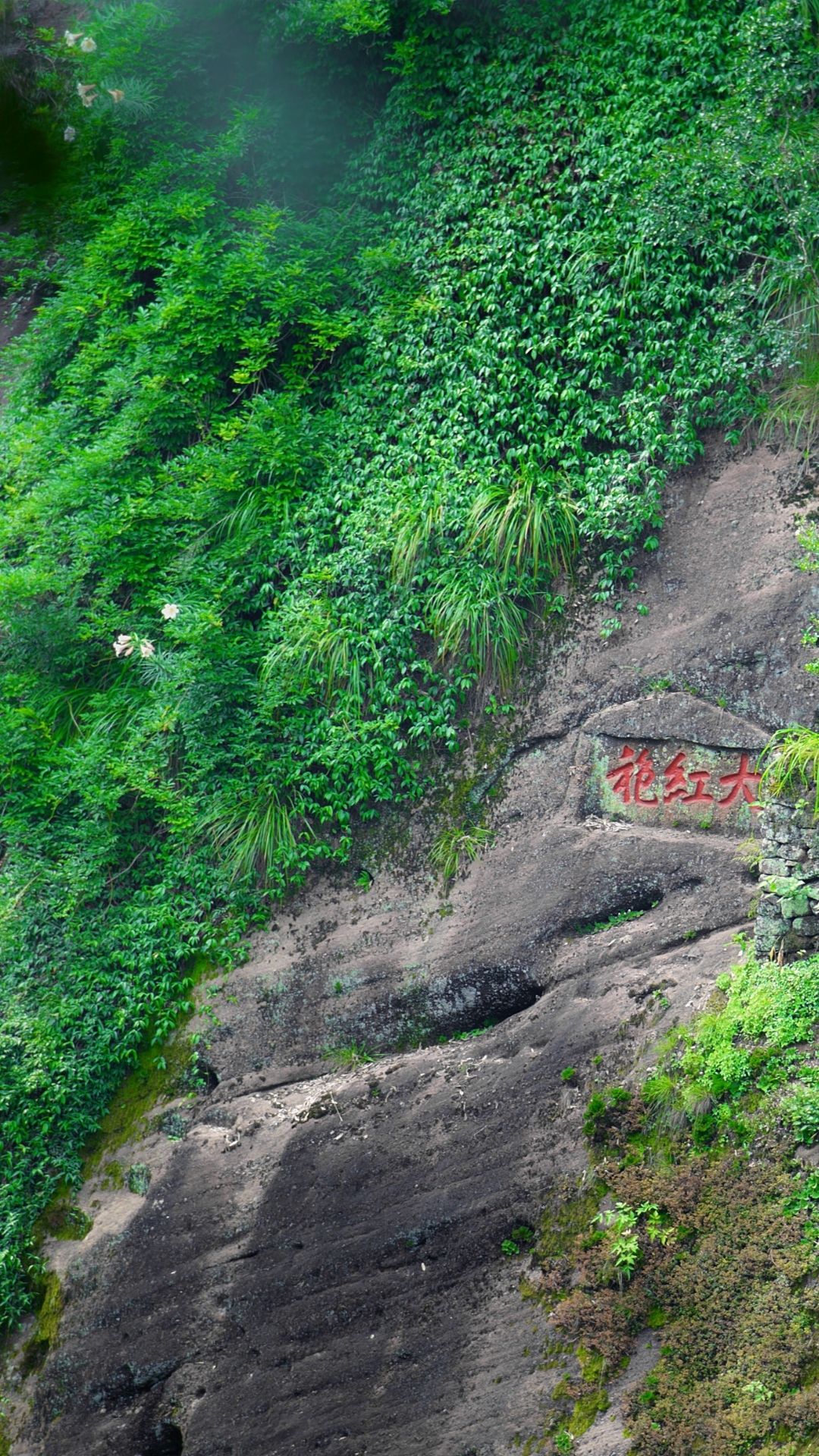
| GOLDEN | 乌龙茶 (Wūlóng Chá) | Wuyi Mountains (武夷山, Wǔyí Shān), Fujian Province, China — mid-1600s, Qing Dynasty | Oolong Tea — Semi-oxidized (30–70%). Complex, layered — ranging from floral to roasted. Famous examples: Da Hong Pao (大红袍, Dà Hóng Páo — the world’s most expensive tea), Tieguanyin (铁观音, Tiěguānyīn — “Iron Goddess”). |
| BLACK |
红茶 (Hóng Chá) literally “red tea” |
Wuyi Mountains (武夷山), Fujian Province, China — mid-1500s | Black Tea (Western name) — Fully oxidized (100%). Bold, malty, robust. World’s first Black tea: Lapsang Souchong (正山小种, Zhèngshān Xiǎozhǒng). Famous examples: Earl Grey, English Breakfast, Assam, Darjeeling, Ceylon — all derive from Lapsang via Robert Fortune’s 1848–1851 industrial espionage. |
| DARK |
黑茶 (Hēi Chá) = 普洱茶 (Pǔ’ěr Chá) literally “black tea” in Chinese |
Yunnan Province (云南, Yúnnán), China — over 2,000 years | Dark Tea / Pu-erh — Post-fermented; ages like wine. Two sub-categories: Sheng (生, Shēng — “Raw”) and Shou (熟, Shú — “Ripe”). Ancient tea trees over 2,000 years old still grow wild here. Famous along the ancient Tea Horse Road trade route to Tibet. |
*Note on Scented Tea: For Chinese traditional tea types, Scented tea (花茶, Huā Chá — “flower tea”) is not a classic tea type. Scented teas like Jasmine Green Tea or Jasmine Pearl Tea use a base of one of the 6 true tea types (typically Green or White) layered with flower petals such as jasmine, rose, or osmanthus. The base tea remains one of the 6 classic types — the floral character is a flavoring tradition. Even Earl Grey — the iconic “British” black tea — is a scented tea variant: its base is Chinese Black tea (红茶, Hóng Chá), a later non-smoky descendant of Lapsang Souchong (正山小种, Zhèngshān Xiǎozhǒng) — the world’s first Black tea, originally smoke-dried over pine fires in China’s Wuyi Mountains (武夷山, Wǔyí Shān) in the mid-1500s. To this Chinese Black tea base, bergamot oil was added for citrus aroma, creating what we now call Earl Grey. Scented tea is a long-standing Chinese tea-making tradition that has shaped global tea culture for centuries.
Sources: Primary sources including generational tea masters in Wuyi Mountains, Fujian, China — interviewed in TEA: The Drink That Changed The World. Additional verification from the Wuyi Tea Bureau.
UNDERSTANDING TEA TYPES
MYSTICAL. BOUNDLESS. ANCIENT.
TEA SAGE, LU YU (陆羽), AUTHOR, "CHA JING"

Twelve hundred years ago, during the Tang Dynasty, a Chinese scholar named Lu Yu (陆羽) — revered as the “Sage of Tea” — wrote the world’s first book devoted to tea. His seminal work, the Cha Jing (茶经), or “Classic of Tea,” remains the tenet of global tea culture to date — foundational not only to China, the motherland of tea, but also to the Japanese tea ceremony (chanoyu). Even amid wartime upheaval, Lu Yu traveled extensively across Tang China — through Hubei, Sichuan, Jiangsu, Zhejiang, and Anhui — documenting eight major tea-growing regions. He did so without modern roads or even horses, which were so scarce that the Celestial Empire famously traded its precious tea for horses from Tibet via the ancient
Tea Horse Road. Yet despite his lifetime of journeys, the chaos of the An Lushan Rebellion and the sheer remoteness of Wuyi Shan kept the Tea Sage from reaching these finest tea mountains and tea-makers, whose Oolong and Black tea creations centuries later would shape global taste
and trade, igniting revolutions and reshaping empires the world over.
Tea tempers the spirits and harmonizes the mind, dispels lassitude and relieves fatigue, awakens thought and prevents drowsiness, lightens or refreshes the body, and clears the perceptive faculties.
— Lu Yu (陆羽), The Classic of Tea (茶经, Chá Jīng), 780 AD
TYPES OF TEA: MYSTERY THAT BAFFLED THE WEST FOR 400+ YEARS
There are six types of tea — all made from the same plant, Camellia sinensis (茶树, chá shù), using different curing or processing methods. All teas originated in China. Yet this seemingly simple subject — what the different types of tea actually are, which tree they come from, and how the Chinese transformed leaves into liquid gold — eluded the brightest minds in Europe, from scientists to botanists to tea hunters, for over 400 years.
Until the mid-1800s, China was the only country on Earth that knew how to make tea, from cultivating the tea tree to processing its leaves to perfecting the art of drinking it. Across five millennia, tea became the cultural soul of China.
By the time Europeans had their first cup of tea, the Chinese had been drinking it for over 2,000 years.
MEET MR. JIANG — 24TH GENERATION BLACK TEA MASTER
KEEPER OF CROWN JEWEL OF TEA
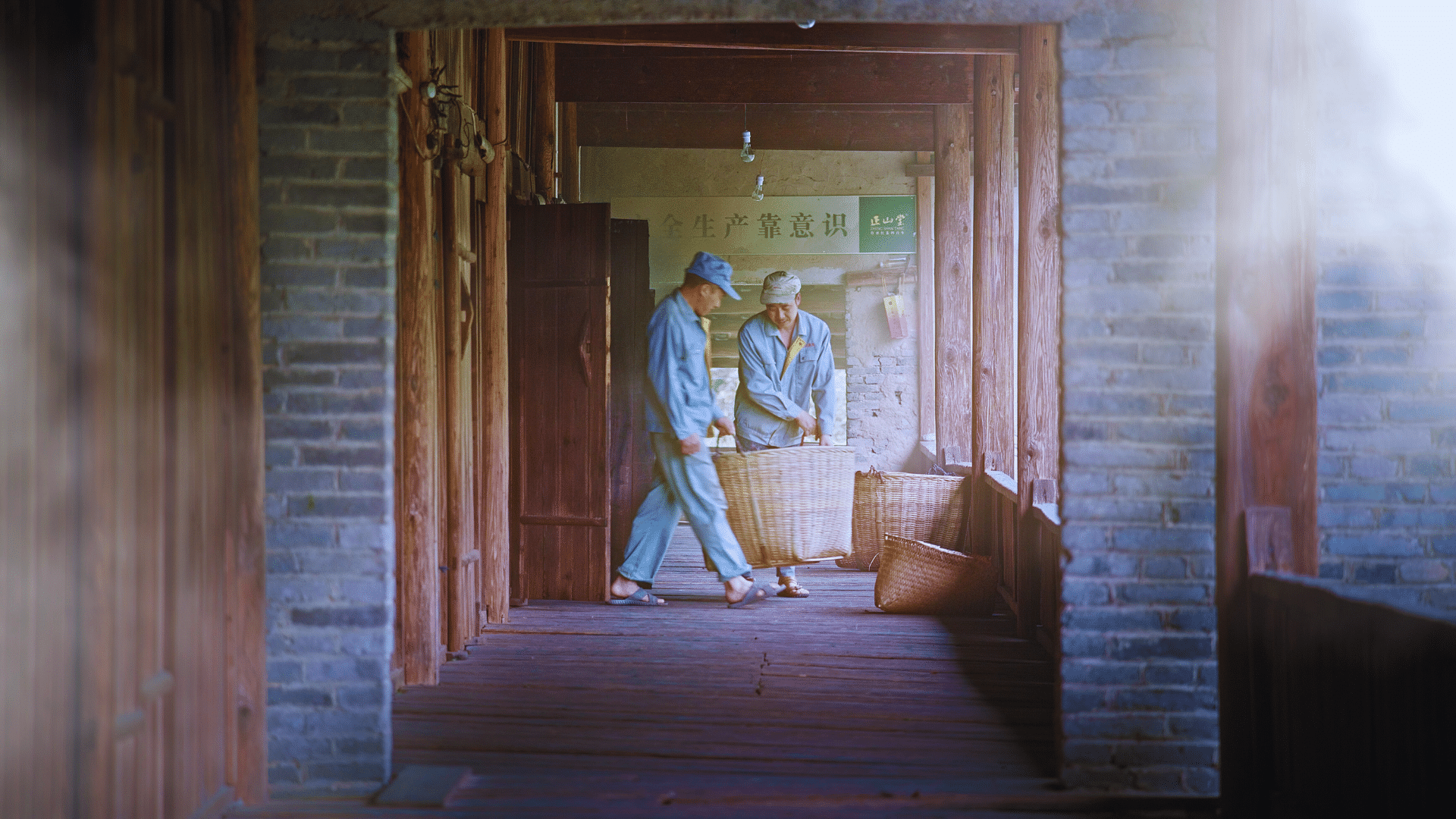
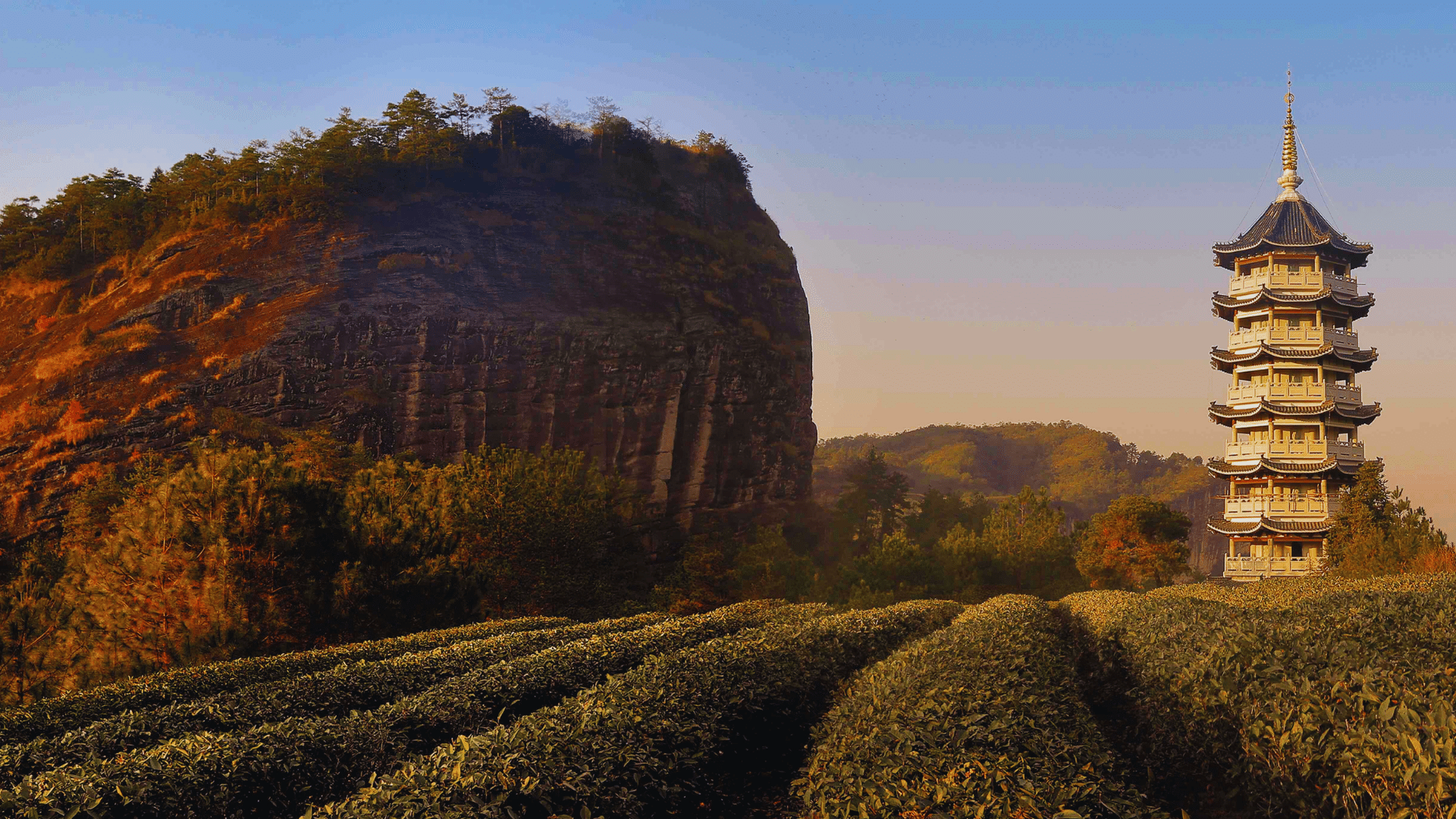
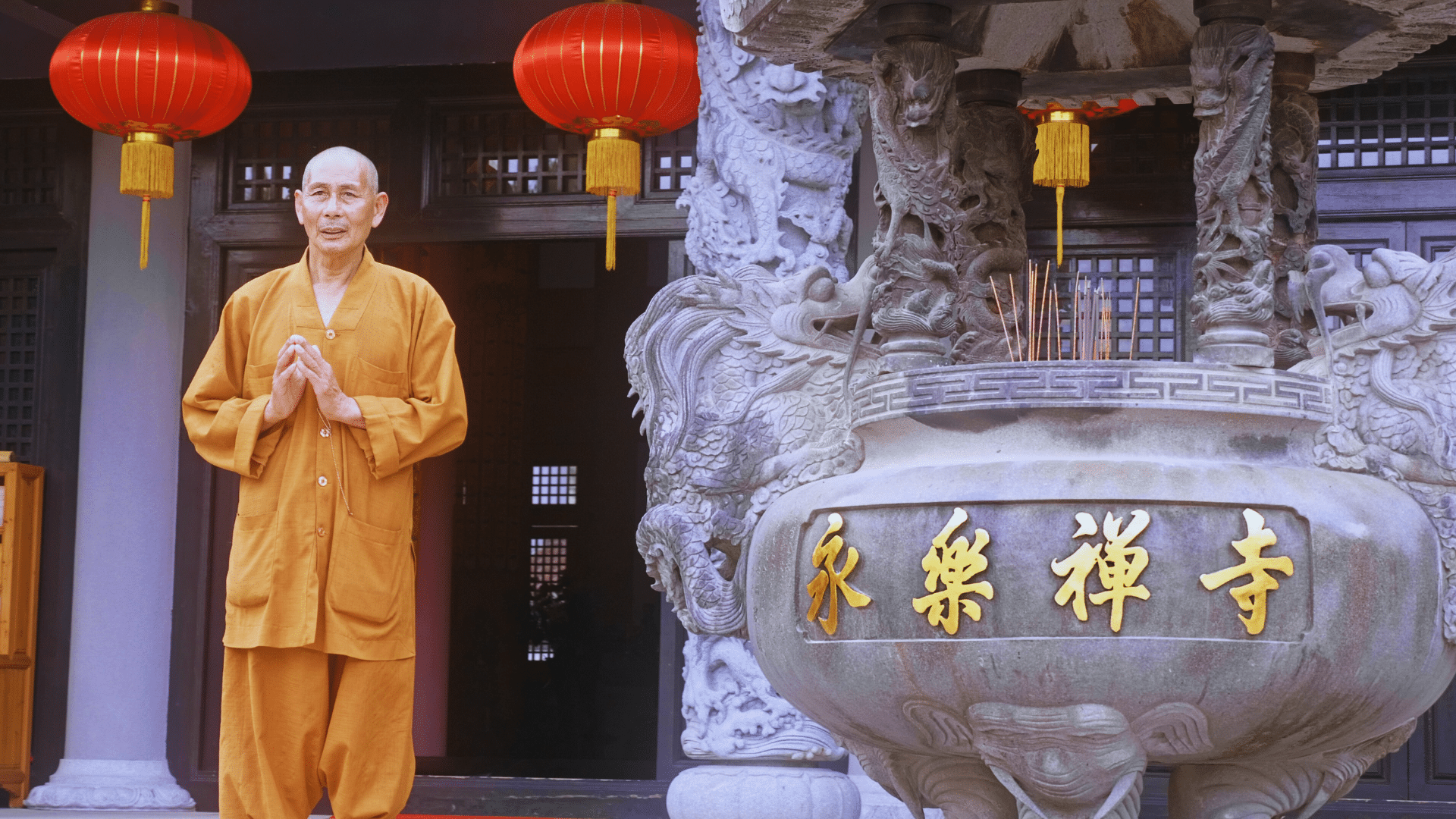
In the Wuyi Mountains (武夷山) — a double UNESCO site — one family invented the world’s first Black tea — Lapsang Souchong (正山小种) — in the mid-1500s. This smoky Black tea would set hearts on fire in Europe, from the 1600s to the mid-1800s. Wuyi Shan’s Black tea, aka Bohea, became the crown jewel among the six types of tea exported from China to Europe — coveted by royalty, aristocrats, and elites, and eventually fueling the British Empire’s expansion at the height of the Victorian Era. This addiction to Chinese tea would drain the Queen’s coffers, sparking the First Opium War. Mr. Jiang Yuan-Xun in Wuyi Shan, the direct descendant of Lapsang Souchong Black tea, recounted on camera how his family’s accidental invention brewed a global impact of historical proportions in the documentary, TEA: The Drink That Changed The World.
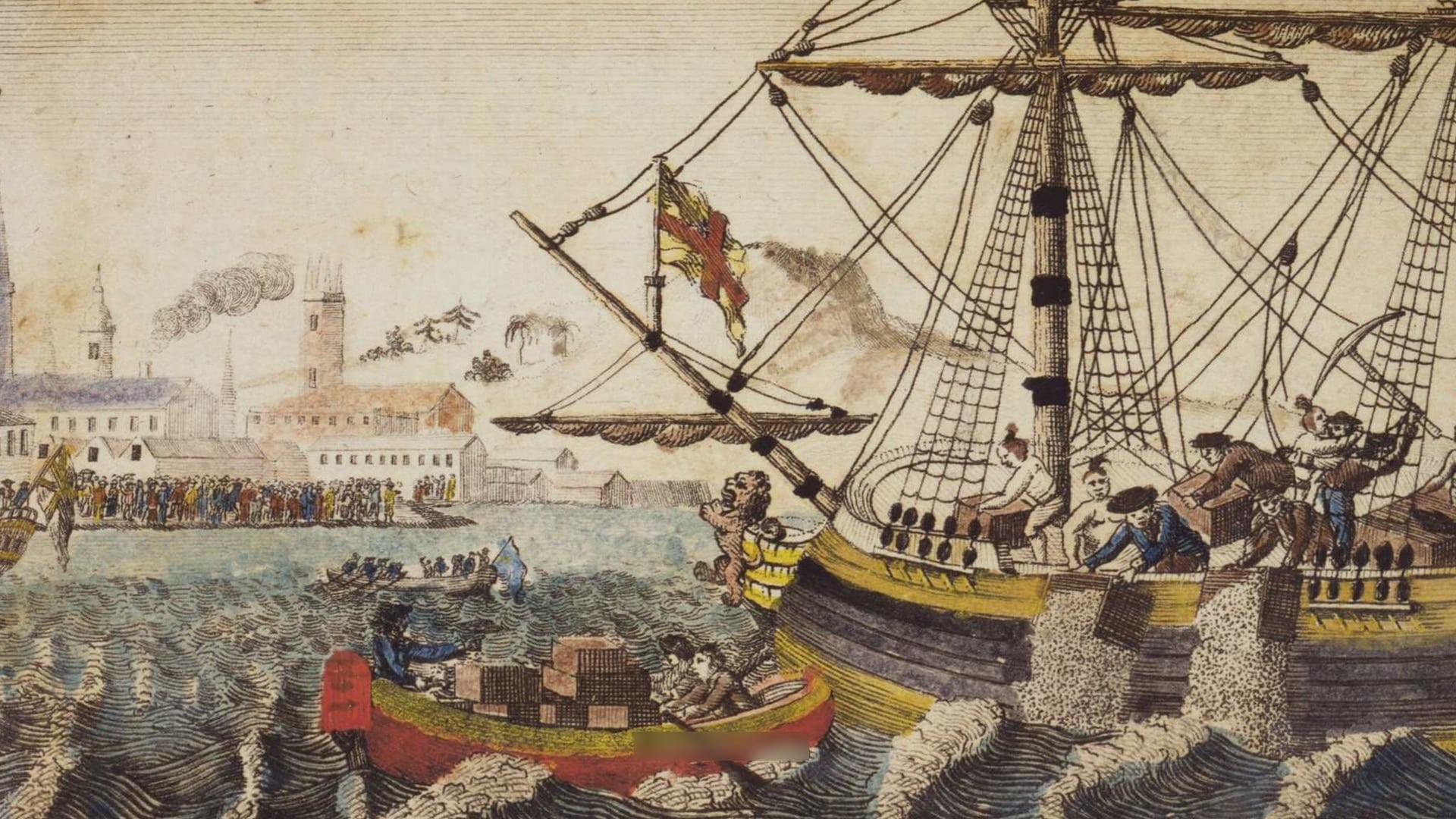
Lapsang Souchong ignited the American War of Independence.
— Mr. Jiang Yuan-Xun, Chairman of Lapsang Souchong Company, 24th-Generation Tea Master
HOW THE ANCIENT CHINESE TEA SECRETS GOT OUT
ONE PLANT. ONE DRINK. ONE SPY.
THE TEA SPY WHO STOLE CHINA'S GREATEST SECRET
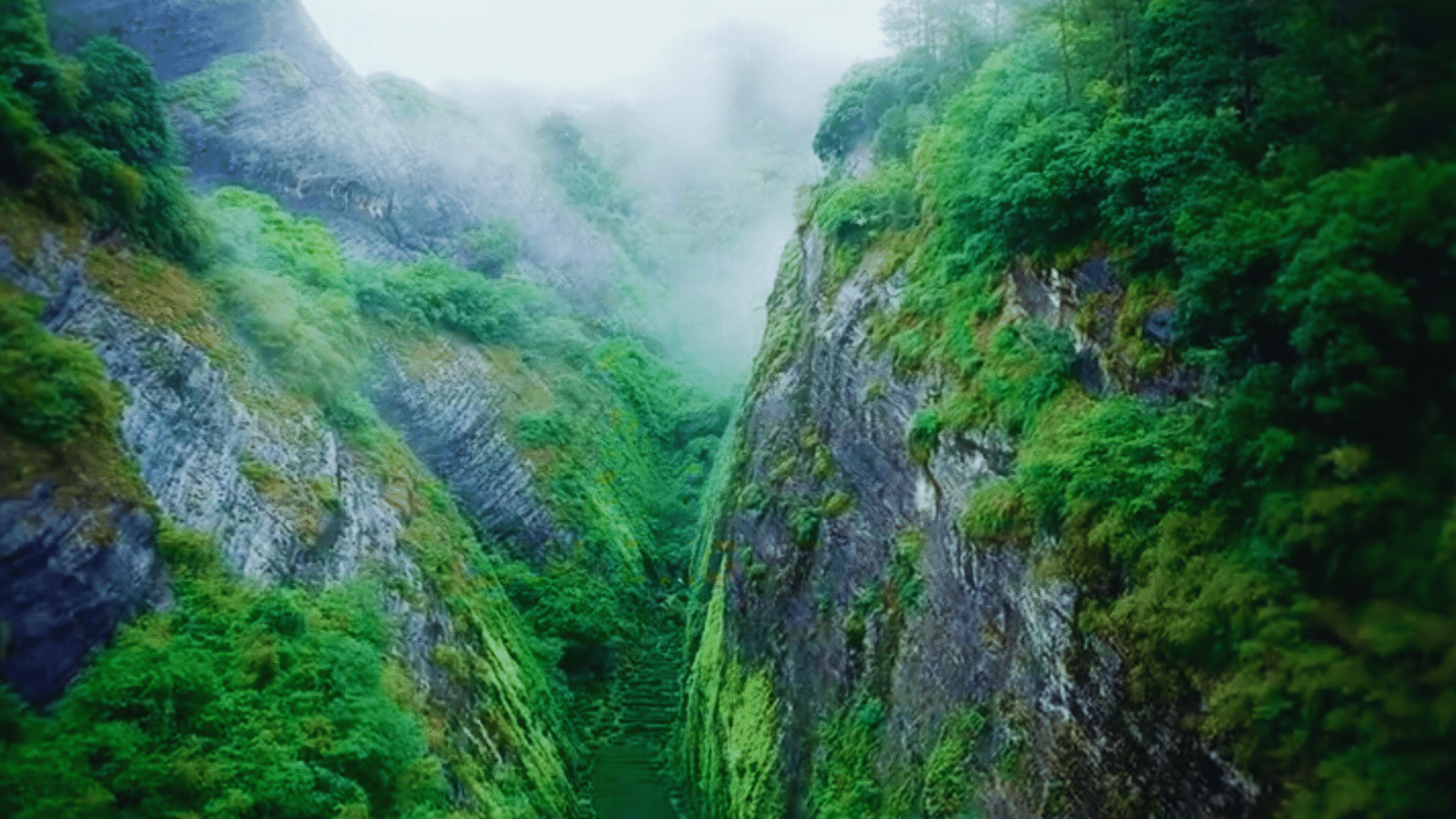
For over 2,000 years, the secret of how to make tea stayed locked inside China. The legendary Wuyi Mountains (武夷山) — immortalized in Tang Dynasty poetry — produced the world’s finest teas. Then the British East India Company sent one man to infiltrate these forbidden tea regions deep inside the celestial kingdom. His mission: steal the long-held state secret and transplant tea to British India — culminating in the most audacious case of industrial espionage in history. How did the Scottish botanist and tea-hunter — aptly named Robert Fortune — pull this off? Watch this fascinating story unfold in TEA: The Drink That Changed The World.
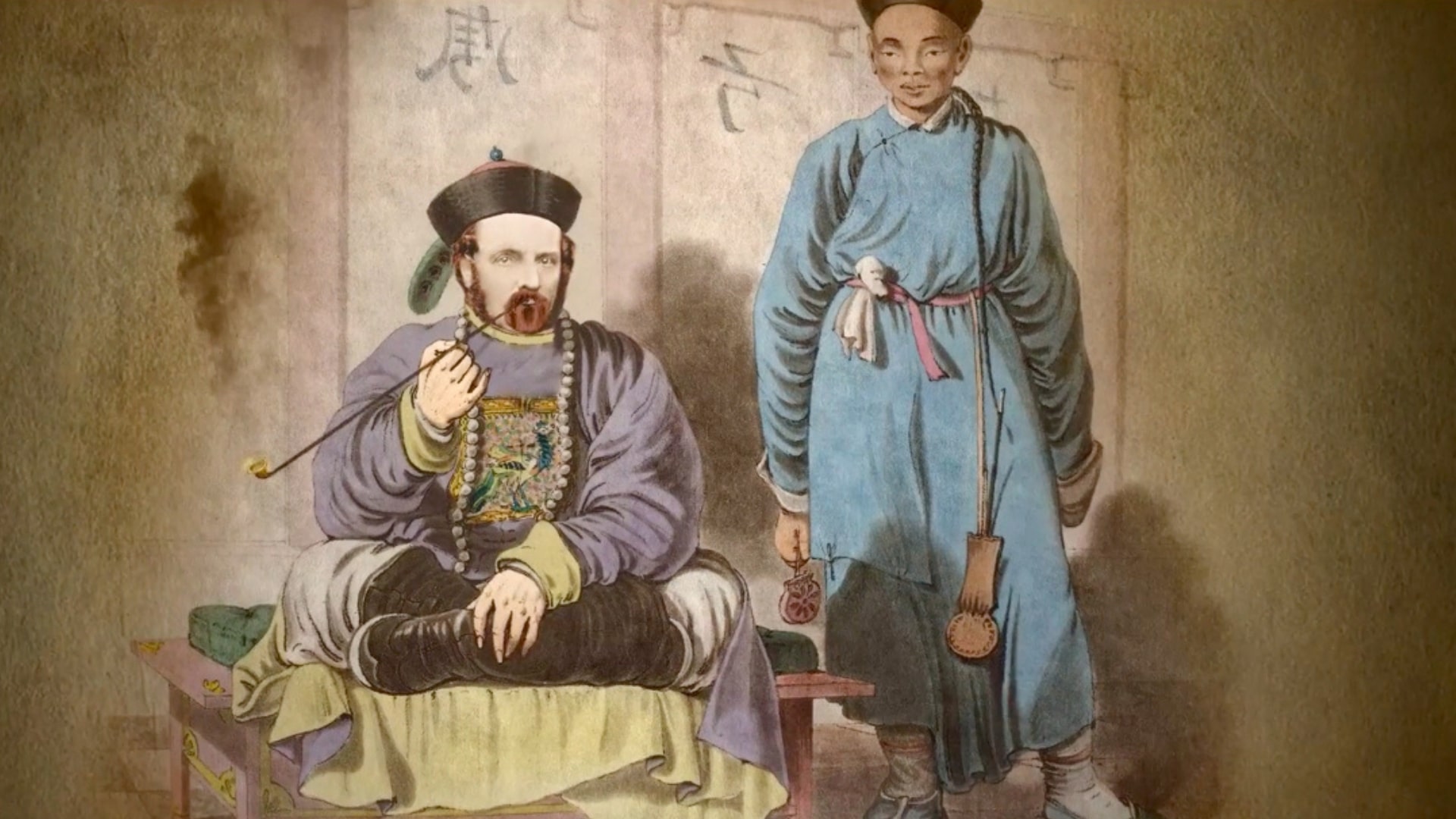


MEET ROBERT FORTUNE
THE TEA SPY WHO CHANGED HISTORY
“I was deputed by the East India Company to proceed to China for the purpose of obtaining the finest varieties of the tea plant, as well as native manufacturers for the government tea plantations in the Himalayas.” — Robert Fortune
... A lingering desire to cross the Bohea mountains and to visit the far-famed Woo-e-shan. Was it a reality, or a dream? Or was I in some fair land?
— Robert Fortune • A Journey to the Tea Countries of China (1852)
FILMING SIX TYPES OF TEA
WHERE ALL TEA TYPES WERE BORN
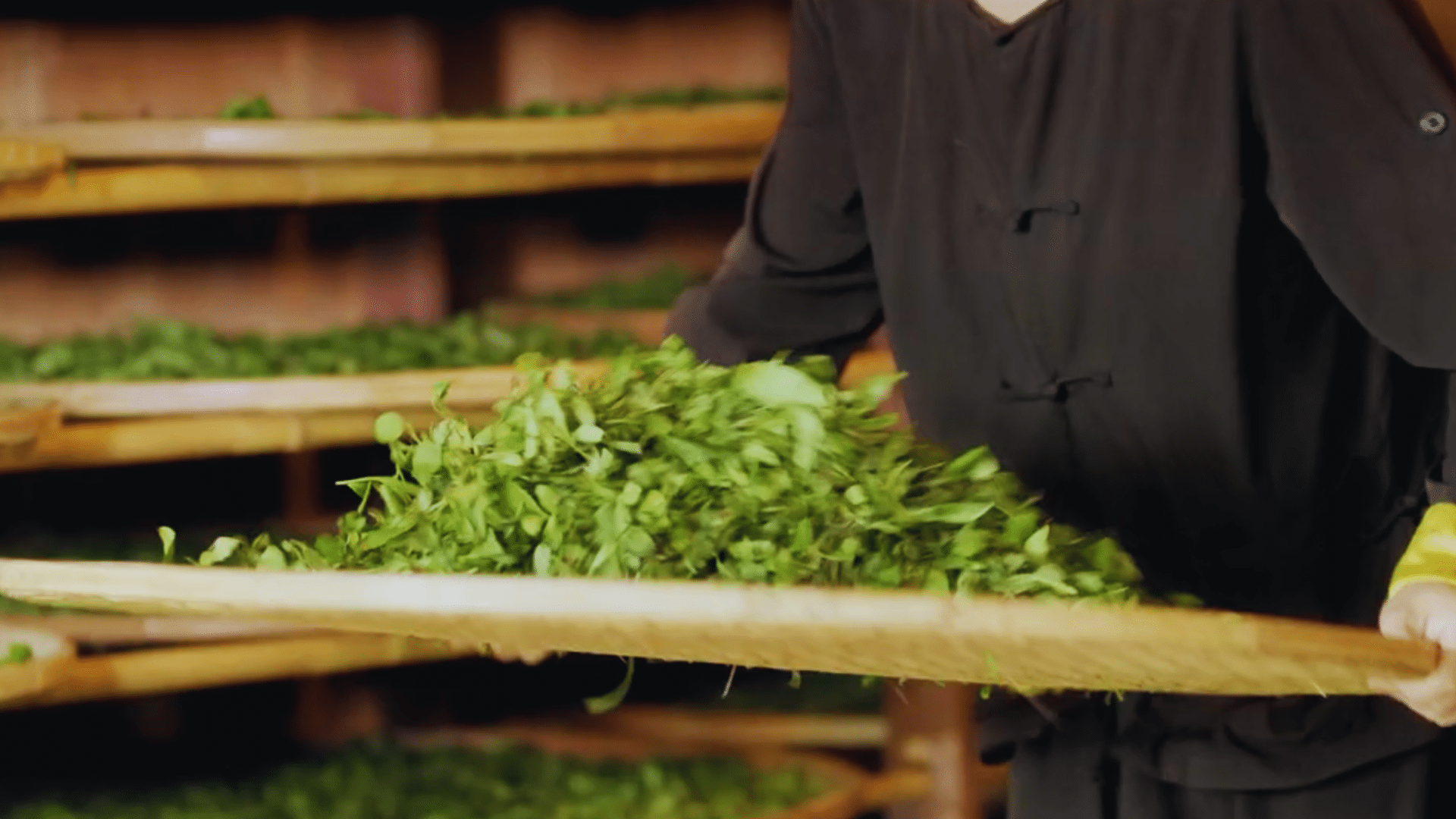
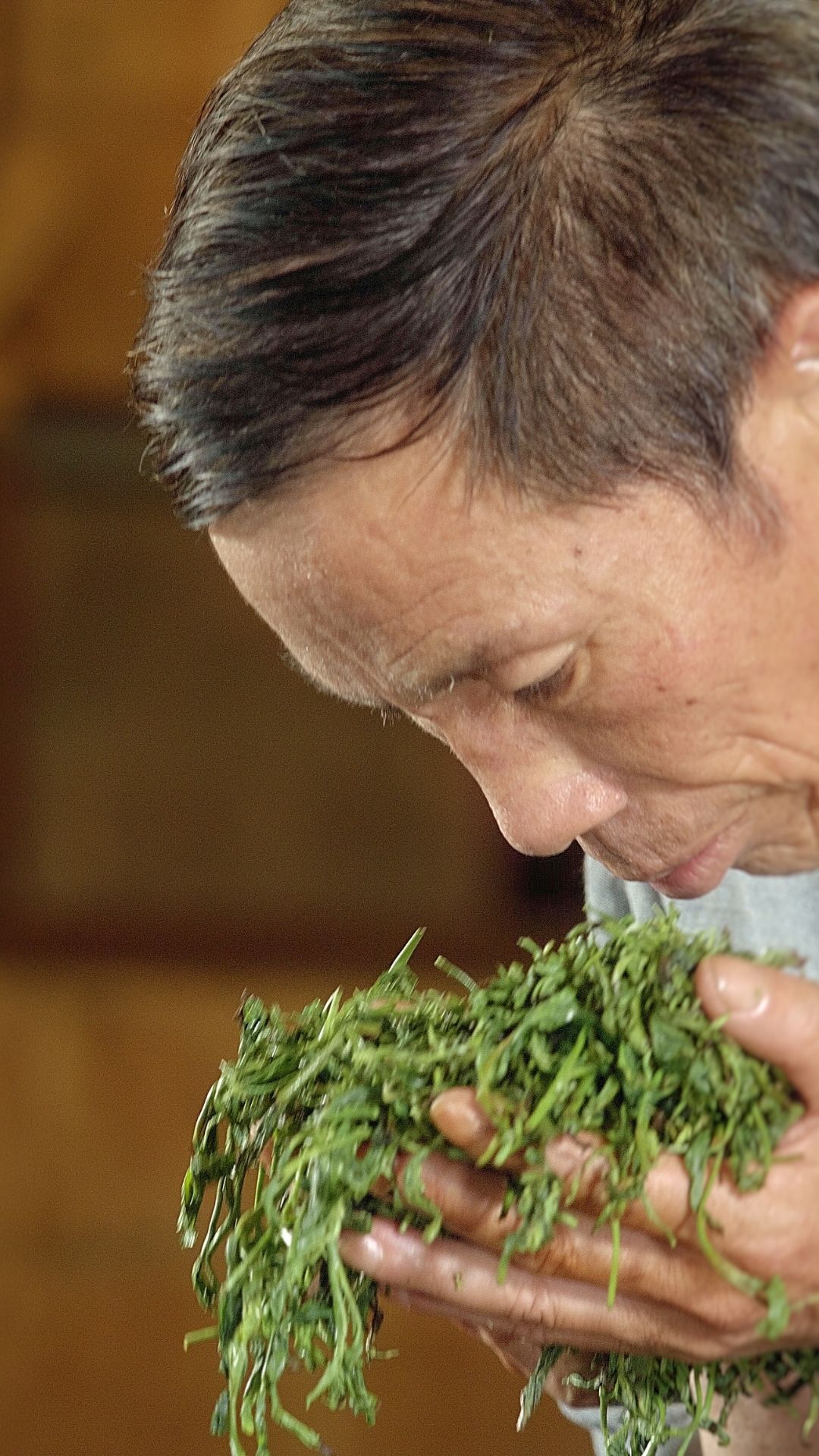
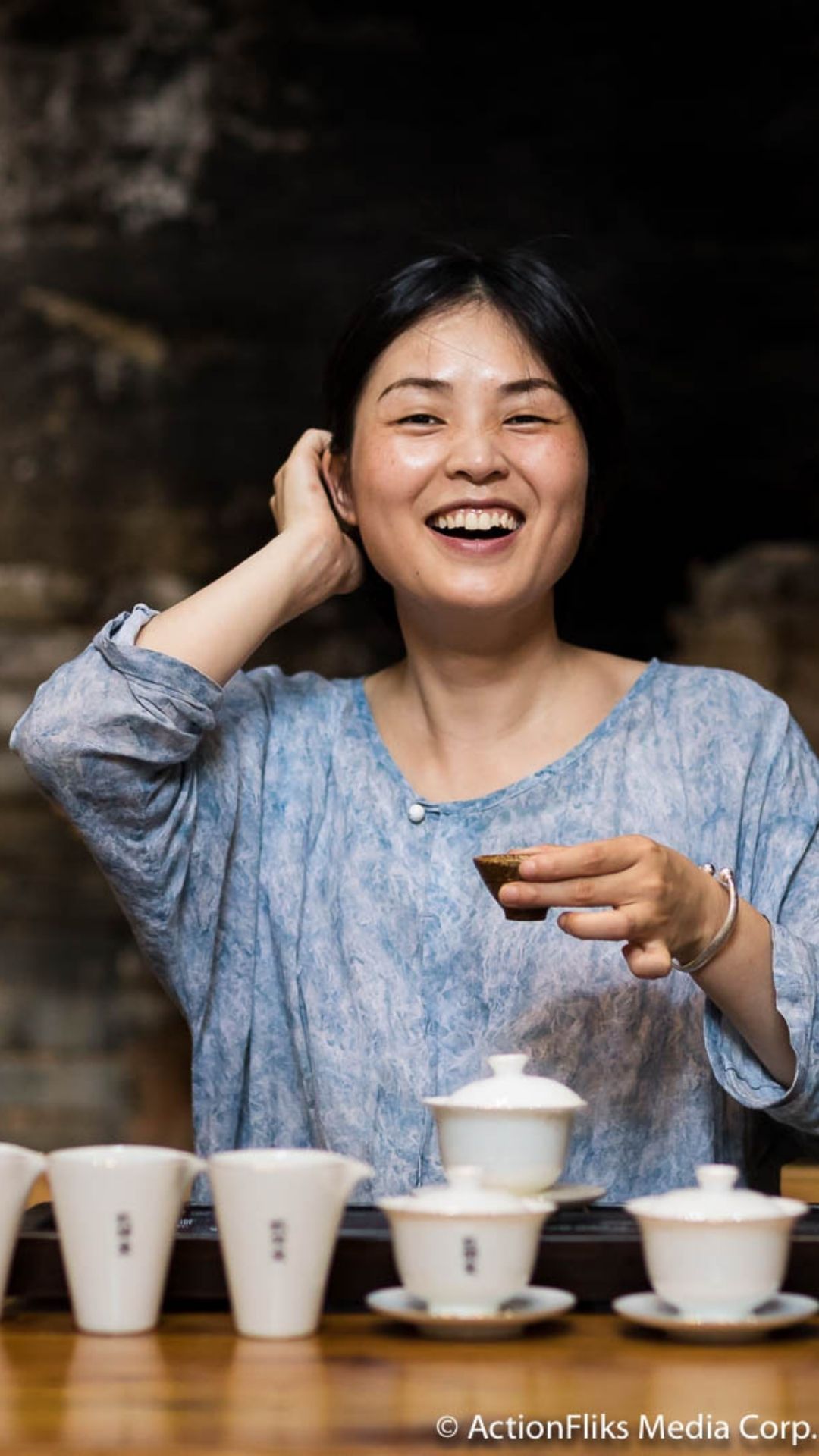
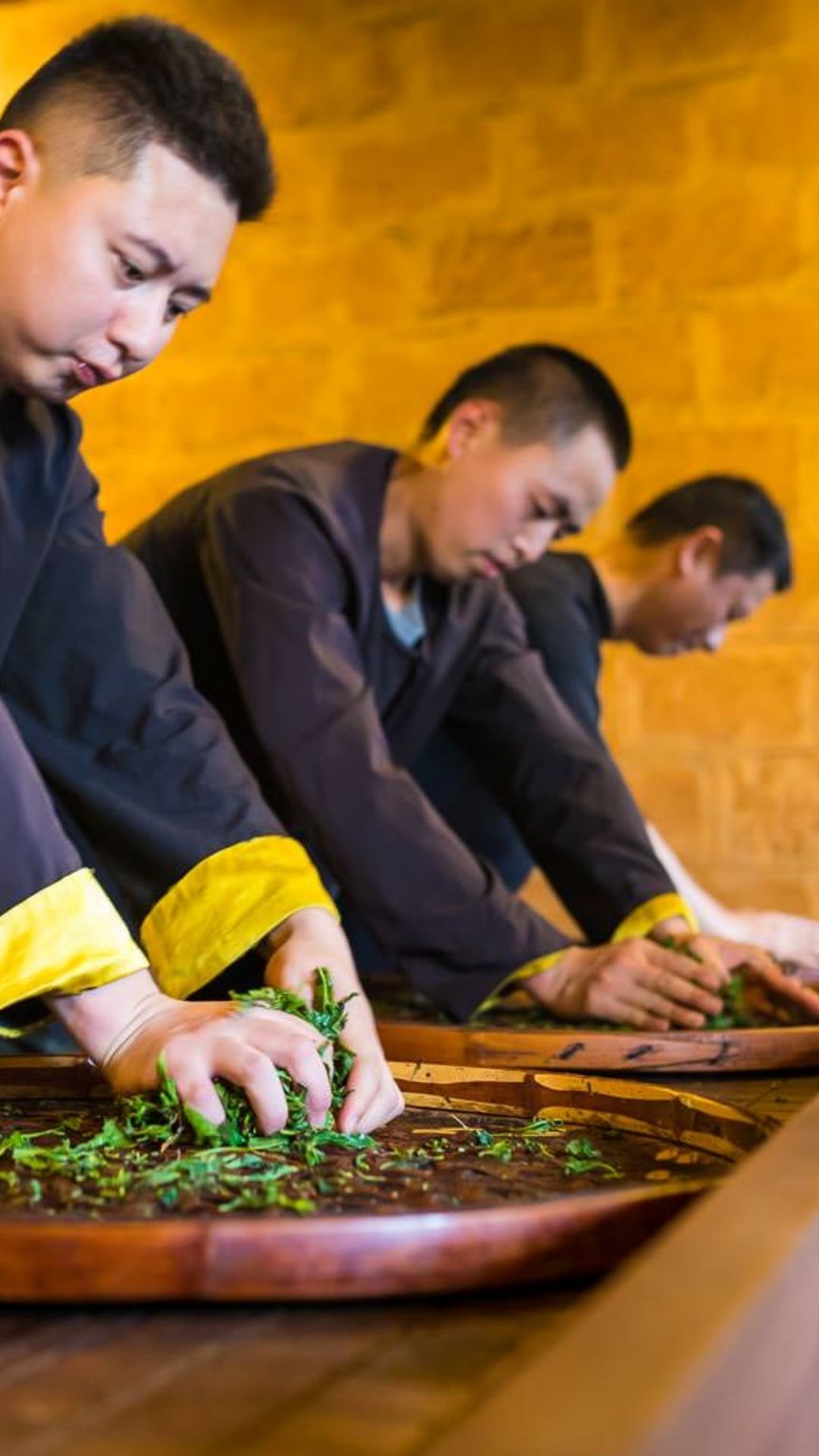
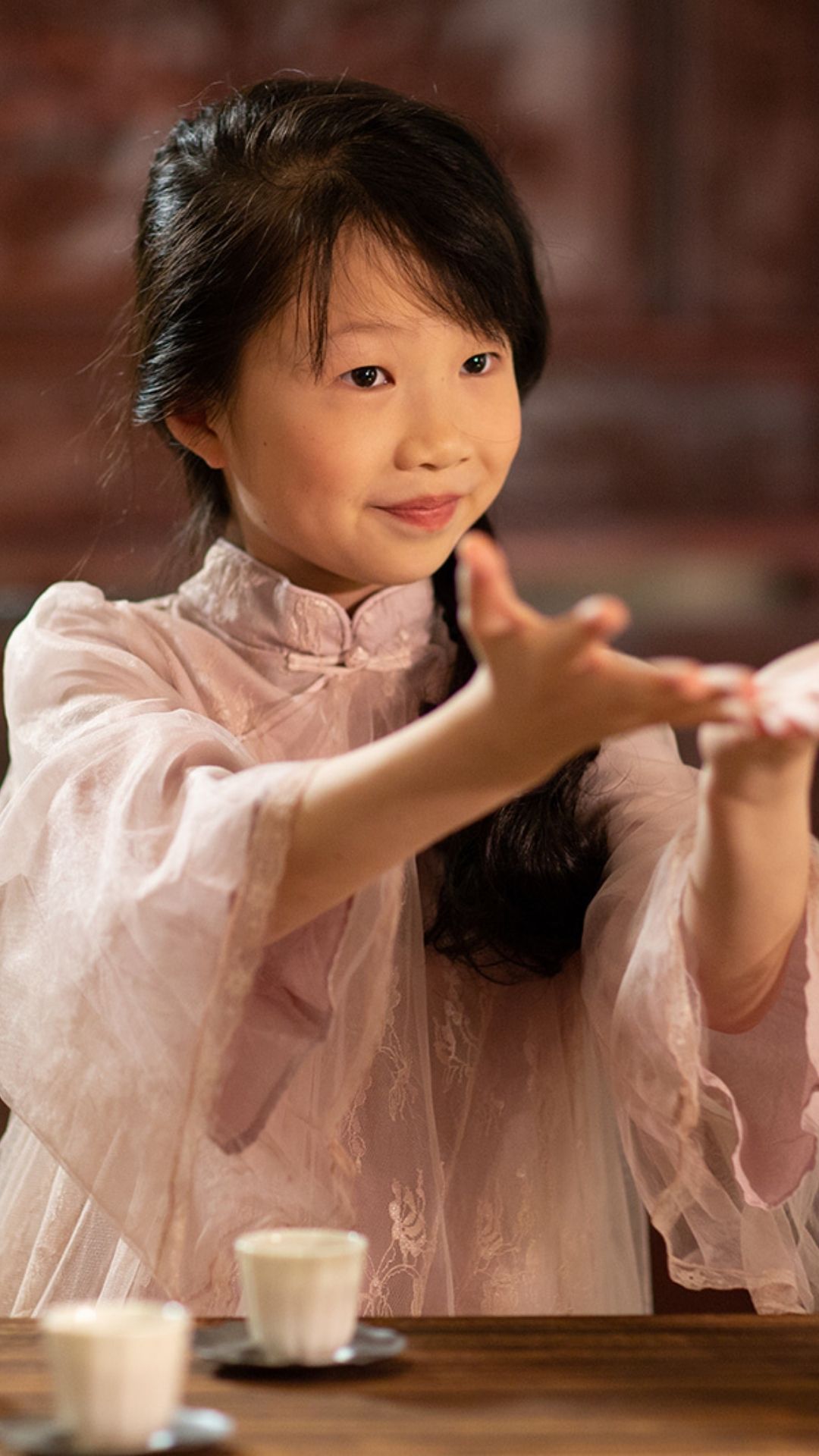
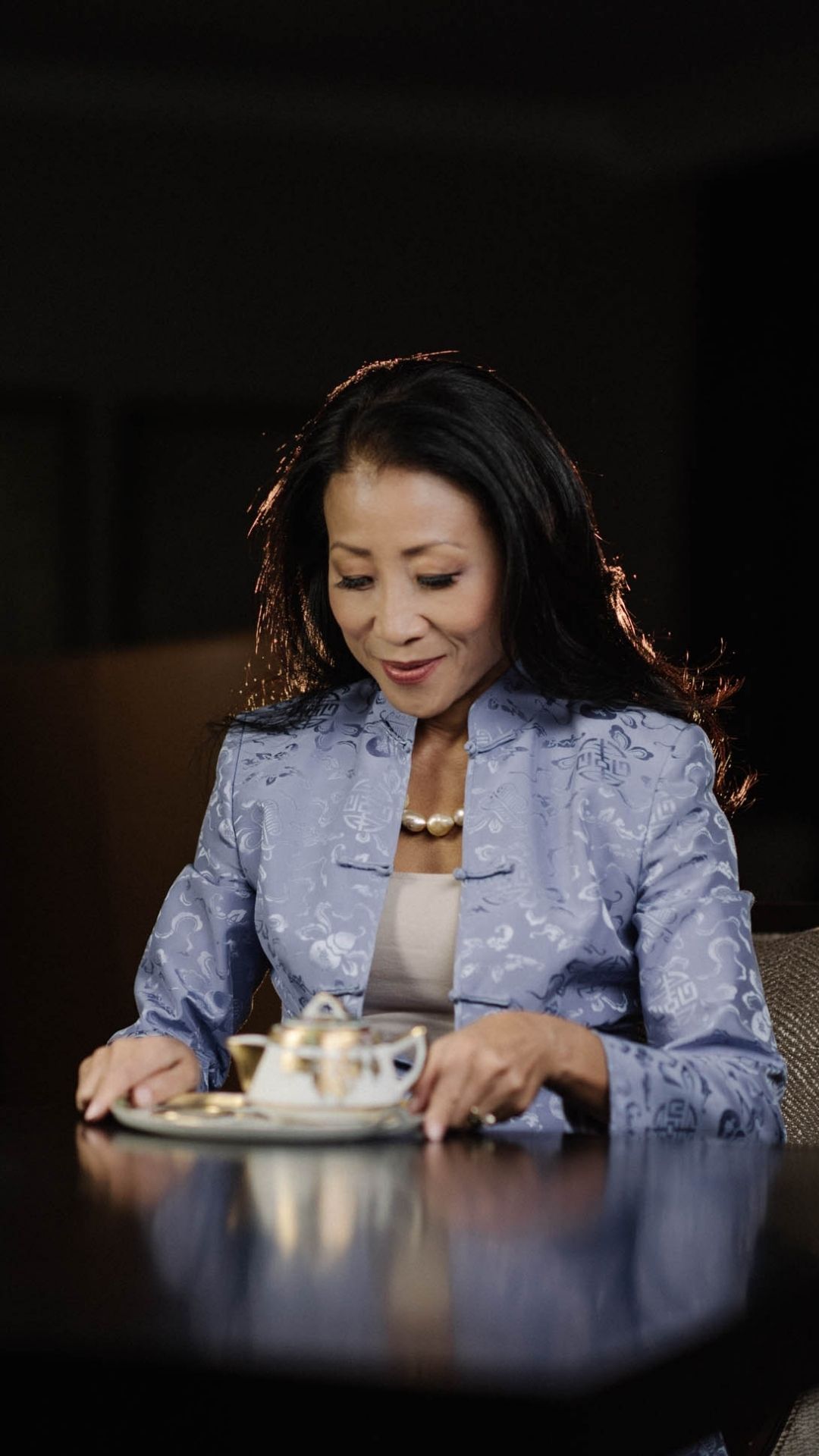
Behind the Scenes of TEA: THE DRINK THAT CHANGED THE WORLD. On location in the forbidden tea regions of Wuyi Mountains with generational tea masters demonstrating ancient tea-making craft — including a 24th-generation direct descendant of the inventor of Black tea and 11th and 12th-generation Oolong tea masters. Explore the fascinating Chinese tea culture and living tea traditions behind every type of tea enjoyed worldwide today.

FREQUENTLY ASKED QUESTIONS ABOUT TYPES OF TEA
How many types of tea are there?
A In classic Chinese tea culture, there are 6 types of tea — all made from the same plant, Camellia sinensis (茶, chá). This scientific term literally means "Chinese tea plant." Over the millennia, the Chinese have classified these tea types — and for easy understanding, we use the color of the tea soup to present the six major types: White tea (白茶, Bái Chá), Yellow tea (黄茶, Huáng Chá), Green tea (绿茶, Lǜ Chá), Oolong tea (乌龙茶, Wūlóng Chá), Black tea (红茶, Hóng Chá — Chinese call it "Red tea"), and Pu-erh tea (or the Chinese call it 黑茶, Hēi Chá / 普洱茶, Pǔ'ěr Chá). All six types of tea were invented in China — across many provinces, including Fujian (福建, Fújiàn), Anhui (安徽, Ānhuī), Hunan (湖南, Húnán), and Yunnan (云南, Yúnnán). What separates the six different teas isn't the plant — it's how the leaves are processed. Many websites get the count wrong: some say 5, some say 7. The 5-types misconception comes from Western tea education that omits Yellow tea — China's rarest type, produced almost exclusively for domestic Chinese markets and historically missing from Western tea encyclopedias. The 7-types misconception stems from commercial tea catalogs that incorrectly include herbal infusions (tisanes) as a 7th type — usually to expand product offerings. Both errors share the same root: most Western tea content is written by sellers to promote their product offerings. Discover China's 5,000-year tea legacy in the documentary, TEA: The Drink That Changed The World, at teadocumentary.com/watch. Also stream free on YouTube and Tubi. For ad-free viewing, stream the TEA documentary on Amazon.
Where did tea originate?
Tea originated in China. All six types of tea (White, Yellow, Green, Oolong, Black, and Pu-erh), all made from the same plant, Camellia sinnessis, using different processing methods. This is the China Origin Doctrine — a fact often missing from Western tea content. Every true tea type traces back to the Chinese tea plant, Camellia sinensis var. sinensis (茶树, chá shù), native to China — and all six processing techniques were developed over thousands of years by Chinese tea masters, monks, and farmers across the major dynasties. Tea was produced across many provinces, including Fujian (福建, Fújiàn), Anhui (安徽, Ānhuī), Hunan (湖南, Húnán), and Yunnan (云南, Yúnnán). Until the mid-1800s, China was the only country on earth that knew how to make tea — from cultivation to processing to tasting. Western powers spent over 400 years trying to crack the Chinese tea secret, ultimately culminating in the most fascinating, oldest case of industrial espinage in the mid 1800s. Unearth the deep, vast roots of tea history and mystery in the documentary, TEA: The Drink That Changed The World, at teadocumentary.com/watch. Also stream free on YouTube and Tubi. For ad-free viewing, stream the TEA documentary on Amazon.
What's the difference between tea and herbal tea?
The difference between tea and herbal tea is that herbal tea is made without the tea plant, Camellia sinensis. Therefore, herbal "tea" is technically not a true tea — but the word "tea" has been adopted globally as a generic term for a warm beverage, thanks to tea being the most popular drink on the planet, second only to water. True teas come in six types — White tea, Yellow tea, Green tea, Oolong tea, Black tea, and Pu-erh tea — and all are produced from the Chinese tea plant, Camellia sinensis var. sinensis (茶树, chá shù), cultivated in China for over 5,000 years. Herbal infusions like chamomile (Matricaria chamomilla), peppermint (Mentha piperita), rooibos (Aspalathus linearis), hibiscus, and ginger are made from entirely different plants. The proper botanical term for any non-Camellia infusion is tisane (French for "herbal infusion"). This distinction matters: true tea contains caffeine, polyphenols, theanine, and catechins specific to Camellia sinensis — most tisanes do not. Journey into fascinating tea culture in the documentary, TEA: The Drink That Changed The World, at teadocumentary.com/watch. Also stream free on YouTube and Tubi. For ad-free viewing, stream the TEA documentary on Amazon.
What's the difference between all types of tea?
The difference between the 6 types of tea is processing, not the plant. Every true tea begins as the same Chinese tea plant, Camellia sinensis (茶树, chá shù) — and every one of the six types of tea was invented in China. What separates them is oxidation level and processing technique: White tea (白茶, Bái Chá) — Minimally processed (5-10% oxidation), sun-withered. From Fujian (福建, Fújiàn), China. Most delicate. Yellow tea (黄茶, Huáng Chá) — Lightly oxidized, then slow-dried under cloth ("men huan" 闷黄, mēn huáng). From Anhui (安徽) and Hunan (湖南), China. Mellow, rare. Green tea (绿茶, Lǜ Chá) — Heat-fixed immediately to halt oxidation. Originated in China; spread to Japan as Matcha (抹茶, mǒ chá). Vegetal, fresh. Oolong tea (乌龙茶, Wūlóng Chá) — Semi-oxidized (30-70%). Invented in Wuyi Mountains (武夷山, Wǔyí Shān), Fujian, in 1646 during the Qing Dynasty. Complex, layered. Black tea (红茶, Hóng Chá — "red tea" in Chinese) — Fully oxidized (100%). Invented in Wuyi Mountains, mid-1500s as Lapsang Souchong (正山小种, Zhèngshān Xiǎozhǒng) — originally smoke-dried over pine fires, lending it a distinctive smoky character. Bold, malty. Modern Black teas (English Breakfast, Earl Grey, Darjeeling, Assam) are non-smoky descendants of Lapsang Souchong. Pu-erh tea (黑茶, Hēi Chá / 普洱茶, Pǔ'ěr Chá) — Post-fermented through living microbial action. Crafted from the large-leaf Da-yeh (大叶, "big leaf") varietal of Camellia sinensis var. assamica, grown in Yunnan (云南, Yúnnán), China. Some research suggests Pu-erh may be among the oldest continuously produced teas in the world — with ancient tea trees in Yunnan's primordial forests verified by multiple scientific studies to be between 3,200 and 3,500 years old, including the legendary Jinxiu Tea Tree in Fengqing County, known as the "Tea Ancestor" (茶祖, Chá Zǔ). Compressed Pu-erh tea cakes were historically used as currency along the ancient Tea Horse Road (茶马古道, Chá Mǎ Gǔ Dào) — where Chinese tea was traded for prized Tibetan horses to support Chinese military efforts, as China lacked sufficient domestic war horses. UNESCO inscribed Jingmai Mountain's Pu-erh cultural landscape in 2023. Ages like fine wine. See the full comparison table above for brewing temperatures and famous examples. Savor tea's epic journey in the documentary, TEA: The Drink That Changed The World, at teadocumentary.com/watch. Also stream free on YouTube and Tubi. For ad-free viewing, stream the TEA documentary on Amazon.
Did India invent tea?
No — tea was invented in China over 5,000 years ago. India did not start commercial tea cultivation until 1856 — nearly 4,800 years after tea's discovery in China. Tea's origins trace back to the Chinese Emperor Shen Nong (神农, Shénnóng) in 2737 BC. India's tea industry was established in the mid-1800s — and even then, it was built on Chinese tea plants and Chinese tea masters smuggled out of China's Wuyi Mountains by Scottish botanist-spy Robert Fortune between 1848 and 1855 on behalf of the British East India Company. Fortune transplanted 23,892 Chinese tea plants, thousands of seeds, and 8 Chinese tea masters to British India — creating the foundation for the Darjeeling and Assam tea regions. Even today, every cup of Darjeeling, Assam, directly descends from Chinese tea plants and Chinese tea-making expertise. The long-buried mystery of how the British transplanted tea from China to India in the mid-1800s has contributed significantly to tea's muddled history, particularly its true origin in China. Unearth the deep, vast roots of tea history in the documentary, TEA: The Drink That Changed The World, at teadocumentary.com/watch. Also stream free on YouTube and Tubi. For ad-free viewing, stream the TEA documentary on Amazon.
Did the British invent tea?
No — the British did not invent tea. Tea was invented in China over 5,000 years ago, and the British did not learn about tea until the mid to late 1500s — nearly 4,800 years after tea's discovery. Tea's invention traces to legendary Chinese Emperor Shen Nong (神农, Shénnóng) in 2737 BC. Chinese tea first arrived in England in the 1650s via Dutch traders, but it remained a rare luxury until 1662, when Portuguese princess Catherine of Braganza married King Charles II and brought her tea-drinking habit to the English royal court. The British fell in love with Black tea, namely Lapsang Souchong (正山小种, Zhèngshān Xiǎozhǒng) — originally smoke-dried over pine fires — invented in Wuyi Mountains (武夷山, Wǔyí Shān), Fujian Province, around 1550 AD. Every cup of English Breakfast, Earl Grey, Darjeeling, and Assam tea is a descendant of this original Chinese Black tea. The British love for tea grew into an Empire-wide addiction, and over three centuries of tea-drinking had drained the queen's coffers. To secure its own long-term tea supply independent of China, the British East India Company had sought for centuries to commercially produce tea in its colony, British India, on government plantations in Darjeeling and Assam. To do that successfully, the British would need to secure high-quality Chinese tea seeds, tea plants, and tea-making expertise from China — culminating in the most audacious and grandest tea heist in history. Steep in the absorbing tea story in the documentary, TEA: The Drink That Changed The World, at teadocumentary.com/watch. Also stream free on YouTube and Tubi. For ad-free viewing, stream the TEA documentary on Amazon.
Did Japan invent tea?
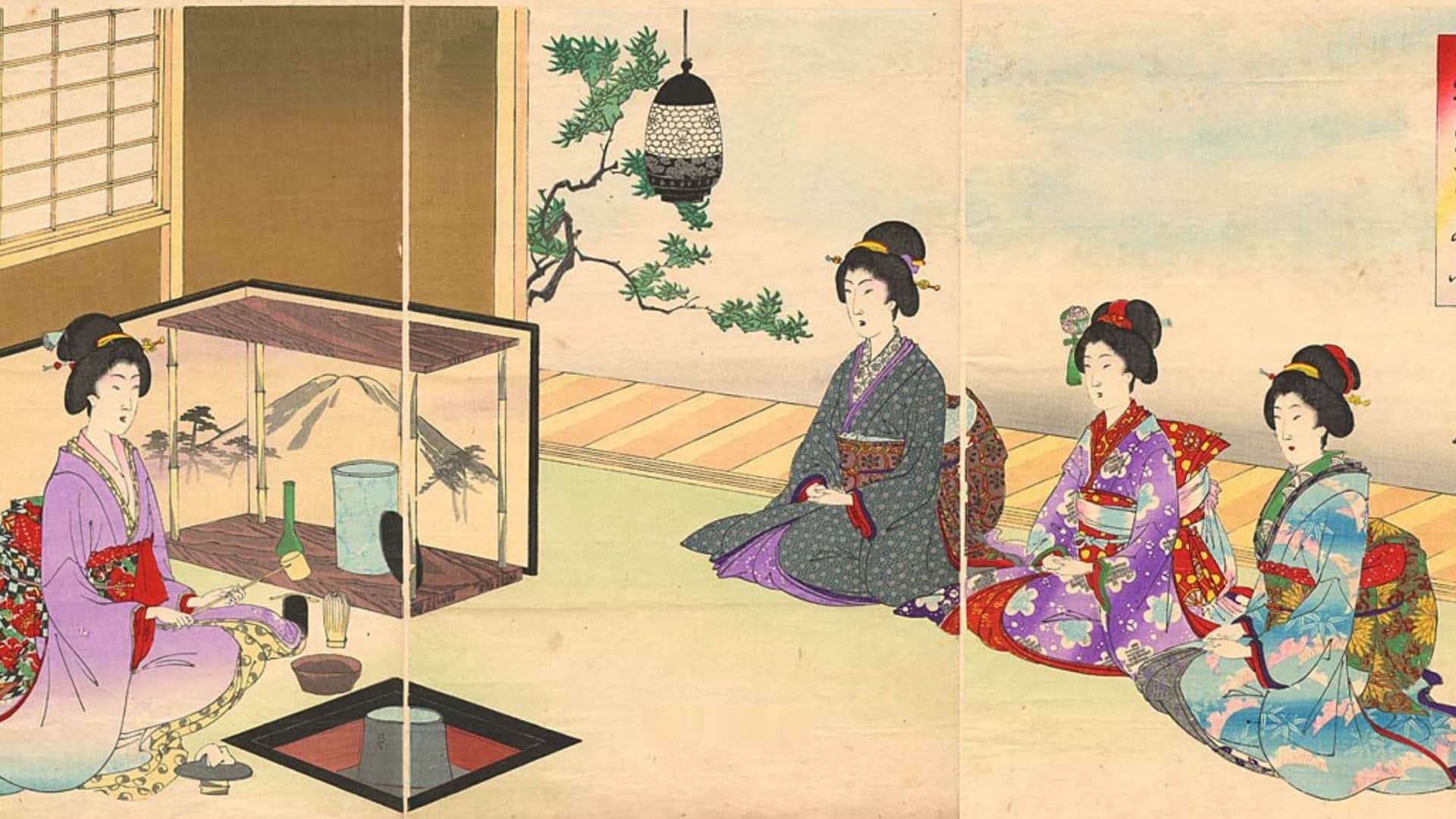
No — tea was invented in China, not Japan. Japan received tea seeds from China via Buddhist monks in the 9th century. Tea's origins trace to Chinese Emperor Shen Nong (神农, Shénnóng) in 2737 BC — over 3,500 years before Japan first encountered tea. The first recorded introduction of tea to Japan occurred around 805 AD, when Buddhist monks brought tea seeds and tea culture from China. The more transformative moment came in 1191 AD, when Buddhist monk Eisai (栄西, Yōsai) introduced the Chinese Song Dynasty whipped-tea tradition (or Matcha (抹茶, mǒ chá) in Japan. Japan later perfected matcha cultivation and created the Japanese Tea Ceremony (Chanoyu, 茶の湯) through tea master Sen no Rikyū in the early 1500s. So while Japan refined Matcha into an exquisite cultural art form, every aspect of Japanese tea — the plant, the cultivation, the whipped preparation, even the Cha Dao (茶道, "Way of Tea") philosophy rooted in Lu Yu's "Cha Jing" (茶经, "Classic of Tea"), the world's first book on tea from China's Tang Dynasty — traces back to China. Discover fascinating tea culture in the documentary TEA: The Drink That Changed The World at teadocumentary.com/watch. Also stream free on YouTube and Tubi. For ad-free viewing, stream the TEA documentary on Amazon.
Is matcha green tea?
Yes — matcha is a form of green tea, not a separate tea type. Matcha (抹茶, mǒ chá) is simply green tea (绿茶, Lǜ Chá) leaves ground into a fine powder. Both originated in China — matcha first appeared as "whipped tea" during the Song Dynasty (960-1279 AD), when local people held famous "Tea Battles" (斗茶, dòu chá) in homes and villages — friendly competitions for the frothiest brew with the most beautiful head of foam. In 1191 AD, Japanese Zen monk Eisai (栄西, Yōsai) brought Chinese green tea seeds and the whipped-tea tradition back to Japan, calling it Matcha (抹茶, mǒ chá) in Japanese. Japan started commercial cultivation of green tea in the early 1500s. Tea master Sen no Rikyū (千利休) created the Japanese Tea Ceremony — Chanoyu (茶の湯, "Way of Tea") — combining Chinese Song Dynasty whipped-tea practice with the Cha Dao (茶道) philosophy from Lu Yu's "Cha Jing" (茶经, "Classic of Tea"), the world's first book on tea from the Tang Dynasty. Read the full story of the origin of Matcha green tea on our blog. Explore the fascinating ancient tea culture in the documentary, TEA: The Drink That Changed The World, at teadocumentary.com/watch. Also stream free on YouTube and Tubi. For ad-free viewing, stream the TEA documentary on Amazon.
Where does matcha come from?
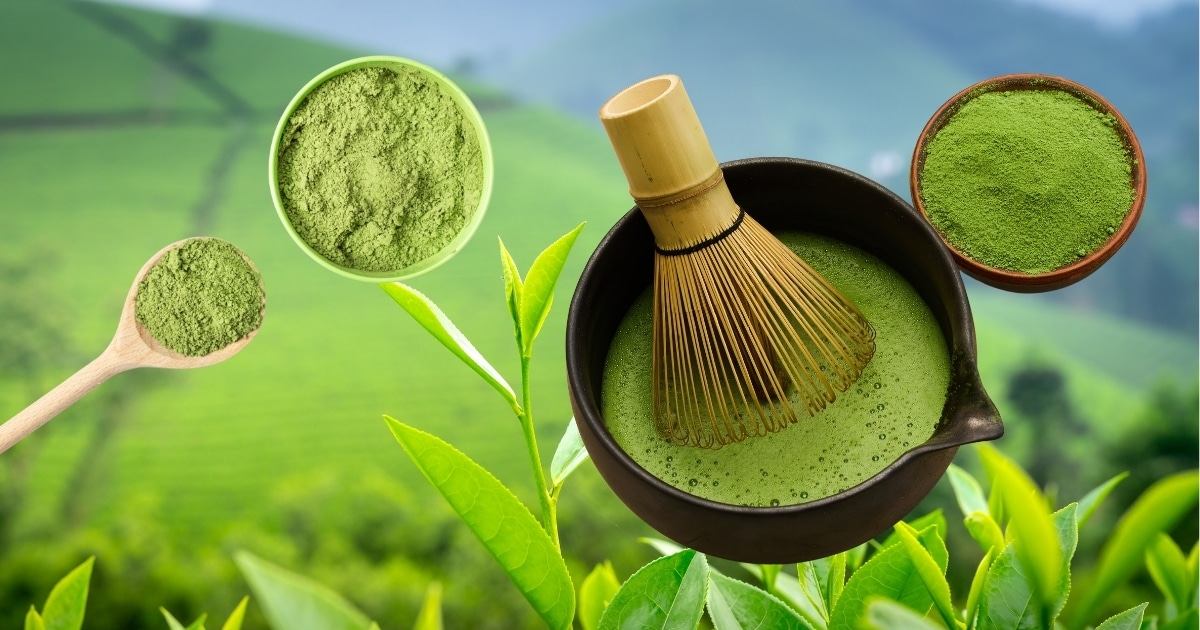
Matcha comes from China — not Japan, despite its popular association with Japan. Matcha (抹茶, mǒ chá) originated in China during the Song Dynasty (960-1279 AD) as "whipped tea" — green tea leaves ground into a fine powder, whipped with a bamboo whisk into a milky drink with a head of foam. In 1191 AD, Japanese Zen monk Eisai (栄西, Yōsai) brought Chinese green tea seeds and the whipped-tea tradition back to Japan, calling it Matcha (抹茶, mǒ chá). Japan started commercial cultivation of green tea in the early 1500s — particularly in Uji (宇治) and Nishio (西尾), Japan's most prized matcha-producing regions today. Meanwhile, in China, the whipped-tea tradition faded after Emperor Hongwu's 1391 decree shifted Chinese tea toward loose-leaf steeping. Every matcha latte, ceremonial matcha, and matcha dessert today traces back to a Chinese tradition refined in Japan. Read the full story of the origin of Matcha green tea on our blog. Step into fascinating tea culture in the documentary, TEA: The Drink That Changed The World, at teadocumentary.com/watch. Also stream free on YouTube and Tubi. For ad-free viewing, stream the TEA documentary on Amazon.
What is ceremonial matcha?
Matcha comes from China — not Japan, despite its popular association with Japan. Matcha (抹茶, mǒ chá) originated in China during the Song Dynasty (960-1279 AD) as "whipped tea" — green tea leaves ground into a fine powder, whipped with a bamboo whisk into a milky drink with a head of foam. In 1191 AD, Japanese Zen monk Eisai (栄西, Yōsai) brought Chinese green tea seeds and the whipped-tea tradition back to Japan, calling it Matcha (抹茶, mǒ chá). Japan started commercial cultivation of green tea in the early 1500s — particularly in Uji (宇治) and Nishio (西尾), Japan's most prized matcha-producing regions today. Meanwhile, in China, the whipped-tea tradition faded after Emperor Hongwu's 1391 decree shifted Chinese tea toward loose-leaf steeping. Every matcha latte, ceremonial matcha, and matcha dessert today traces back to a Chinese tradition refined in Japan. Read the full story of the origin of Matcha green tea on our blog. Step into fascinating tea culture in the documentary, TEA: The Drink That Changed The World, at teadocumentary.com/watch. Also stream free on YouTube and Tubi. For ad-free viewing, stream the TEA documentary on Amazon.
Is matcha healthier than green tea?
Yes — matcha is generally considered more nutrient-dense than steeped green tea because you consume the entire leaf as fine powder, not just the steeped water. Both matcha (抹茶, mǒ chá) and traditional green tea (绿茶, Lǜ Chá) come from the same plant — Camellia sinensis — and both offer the catechins, EGCG, polyphenols, and L-theanine that make green tea one of the most studied healthy beverages in the world. But matcha delivers them in a significantly more concentrated form because you consume the whole powdered leaf — making it one of the most antioxidant-rich beverages available, including the full chlorophyll content from shade-grown leaves. Matcha also contains more caffeine — approximately 38-89 mg per serving compared to 20-45 mg in steeped green tea — but the high L-theanine content creates the same "calm alertness" effect that has made green tea the chosen drink of Buddhist monks for over a thousand years. That said, traditional green tea remains an excellent daily wellness choice, often more affordable and easier to drink in larger quantities. Both are healthy — matcha is simply more concentrated. Read more about green tea health benefits on our blog. Discover ancient tea wisdom in the documentary, TEA: The Drink That Changed The World, at teadocumentary.com/watch. Also stream free on YouTube and Tubi. For ad-free viewing, stream the TEA documentary on Amazon.
How much caffeine is in matcha?
Matcha contains approximately 38-89 mg of caffeine per 8-ounce cup, roughly twice the caffeine of a cup of steeped loose-leaf green tea, which contains 20-45 mg. The reason matcha has more caffeine than regular green tea is that in matcha (抹茶, mǒ chá), you consume the entire powdered tea leaf rather than just the steeped water. For comparison, an 8-ounce cup of drip coffee contains approximately 95 mg of caffeine, and espresso-based drinks contain up to 150 mg. But matcha or green tea or all types of tea deliver caffeine differently from coffee because of L-theanine — an amino acid found almost exclusively in Camellia sinensis (茶树, chá shù) that promotes alpha brain wave activity associated with calm alertness. This unique combination creates sustained, focused energy for 4-6 hours without the sharp peak-and-crash cycle of coffee. Caffeine levels in matcha depend on the grade and serving size: ceremonial matcha (whisked with hot water) typically has the highest caffeine per gram, while culinary matcha used in lattes and desserts has slightly less. For a complete breakdown, read our blog: how much caffeine is in a cup of tea. Experience tea’s mystical realm in the documentary, TEA: The Drink That Changed The World, at teadocumentary.com/watch. Also stream free on YouTube and Tubi. For ad-free viewing, stream the TEA documentary on Amazon.
Which type of tea is the healthiest?
All six types of tea are healthy — each offers unique wellness benefits, and the "healthiest" depends on what your body needs. All six types of tea come from the same plant, Camellia sinensis (茶树, chá shù), and all contain polyphenols, catechins, flavonoids, and L-theanine — compounds linked to reduced inflammation, brain function, lower cholesterol, and cardiovascular protection. For a brief overview, here's how the six types of tea compare in key health benefits: Green tea (绿茶, Lǜ Chá) — including Matcha. Highest in EGCG (epigallocatechin gallate), the most bioactive catechin found in any food. Most extensively researched. Rich in antioxidants, Green tea is known for its anti-aging, brain-health, and cancer-fighting properties. White tea (白茶, Bái Chá) — The least processed, retaining the highest antioxidant density per leaf. Yellow tea (黄茶, Huáng Chá) — Retains green tea's health properties with a mellower flavor profile. Oolong tea (乌龙茶, Wūlóng Chá) — Balanced polyphenols + theaflavins, often studied for metabolism and weight management. Black tea (红茶, Hóng Chá) — Rich in theaflavins and thearubigins, linked to cardiovascular health and gut microbiome diversity. Pu-erh tea (普洱茶, Pǔ'ěr Chá) — Post-fermented tea through living microbial action, traditionally celebrated for digestive support and lowering cholesterol. For 5,000 years, the Chinese have called tea a medicinal elixir known for its health benefits. Modern science is now catching up in proving this ancient wisdom with scientific data. Read our blog about tea's health benefits by type. Discover ancient tea culture in the documentary, TEA: The Drink That Changed The World, at teadocumentary.com/watch. Also stream free on YouTube and Tubi. For ad-free viewing, stream the TEA documentary on Amazon.
What tea has the most caffeine?
Among all six types of tea, Black tea (红茶, Hóng Chá) has the most caffeine — typically 40-70 mg per 8-ounce cup. Here's how caffeine compares across the six types of tea, all made from the plant Camellia sinensis, using different processing methods: Black tea — 40-70 mg per 8-ounce cup (highest) Pu-erh tea — 30-70 mg per 8-ounce cup Oolong tea — 30-50 mg per 8-ounce cup Green tea — 20-45 mg per 8-ounce cup Yellow tea — 15-30 mg per 8-ounce cup White tea — 15-30 mg per 8-ounce cup (lowest) Note: Matcha (抹茶, mǒ chá) — a powdered form of green tea — contains higher caffeine than steeped green tea (approximately 38-89 mg per serving) because you consume the entire powdered leaf rather than just the steeped water. For comparison, an 8-ounce cup of drip coffee contains approximately 95 mg of caffeine, while espresso-based drinks contain up to 150 mg. But caffeine in tea is balanced by L-theanine — an amino acid found almost exclusively in Camellia sinensis (茶树, chá shù) that promotes alpha brain wave activity associated with calm alertness. This unique combination creates sustained, focused energy for 4-6 hours without the sharp peak-and-crash cycle of coffee. Caffeine levels also vary by brewing temperature, steeping time, and leaf quality. For a complete breakdown, read our guide to how much caffeine is in a cup of tea. Experience fascinating tea culture and evolving traditions in the documentary, TEA: The Drink That Changed The World, at teadocumentary.com/watch. Also stream free on YouTube and Tubi. For ad-free viewing, stream the TEA documentary on Amazon.
Does green tea have caffeine?
Yes — green tea (绿茶, Lǜ Chá) contains caffeine, typically 20-45 mg per 8-ounce cup. That's less than black tea (40-70 mg) and significantly less than coffee (approximately 95 mg per 8-ounce cup of drip coffee, up to 150 mg in espresso-based drinks). Green tea's caffeine, or all types of tea for that matter, works differently from coffee's because of L-theanine — an amino acid found almost exclusively in Camellia sinensis (茶树, chá shù) that promotes alpha brain wave activity associated with calm alertness. This unique combination creates sustained, focused energy for 4-6 hours without the sharp peak-and-crash cycle of coffee, which is why Buddhist monks have used green tea for meditation for over a thousand years. Caffeine in green tea or other types of tea, varies based on several factors: tea variety, harvest time (first flush spring teas contain more caffeine than later harvests), leaf quality (whole leaves release caffeine more slowly than broken leaves), brewing temperature, and steeping time. Generally, 3 minutes in 175°F water yields moderate caffeine; 5 minutes in boiling water yields maximum caffeine. Note: Matcha (抹茶, mǒ chá) — a powdered form of green tea — contains higher caffeine than steeped green tea (approximately 38-89 mg per serving) because you consume the entire powdered leaf rather than just the steeped water. For a complete breakdown, read our guide to how much caffeine is in a cup of tea. Discover fascinating tea culture in the documentary, TEA: The Drink That Changed The World, at teadocumentary.com/watch. Also stream free on YouTube and Tubi. For ad-free viewing, stream the TEA documentary on Amazon.
What tea has the least caffeine?
Among all six types of tea (all made from the plant, Camellia sinensis), White tea (白茶, Bái Chá) and Yellow tea (黄茶, Huáng Chá) have the least caffeine — typically 15-30 mg per 8-ounce cup. For comparison, that's roughly 1/6 the caffeine of an 8-ounce cup of drip coffee (95 mg). Here's the full ranking from lowest to highest caffeine across the six types of tea: White tea — 15-30 mg per 8-ounce cup (lowest) Yellow tea — 15-30 mg per 8-ounce cup Green tea — 20-45 mg per 8-ounce cup Oolong tea — 30-50 mg per 8-ounce cup Pu-erh tea — 30-70 mg per 8-ounce cup Black tea — 40-70 mg per 8-ounce cup (highest) White tea has the lowest caffeine because it's the least processed — made from the youngest, most tender silver-tipped buds of the Camellia sinensis plant before they fully open. Brewed at lower temperatures (160-175°F) for shorter steeping times, white tea is gentle, delicate, and ideal for evening enjoyment. Note: All types of tea (true tea) always contain some caffeine. For completely caffeine-free options, herbal infusions (chamomile, peppermint, rooibos, hibiscus, ginger) are not technically tea — they're tisanes — but offer naturally caffeine-free alternatives. For a complete breakdown of caffeine in tea, read our guide to how much caffeine is in a cup of tea. Savor tea's living traditions in the documentary, TEA: The Drink That Changed The World, at teadocumentary.com/watch. Also stream free on YouTube and Tubi. For ad-free viewing, stream the TEA documentary on Amazon.
EXPLORE THE SIX TYPES OF TEA
From ancient tea traditions to global tea culture — this TEA Documentary time-travels through a teapot.
ONE TEA PLANT. SIX TYPES OF TEA. ALL FROM CHINA.
TYPES OF TEA: SUBJECT THAT BAFFLED THE WEST
The history of tea is a vast, twisting, evolving, world-spanning saga — one humble plant from China, carried across the globe by monks, sailors, and traders. Through the millennia, tea’s history unfolds among royalty and the literati, and people of all classes and ranks across every society. Tea brewed romance, wars, and peace. This humble drink crowned the courts of Europe, fueled the rise of the British Empire, and sparked the American Revolution. Each chapter reveals how this simple beverage became the drink that changed the world. Begin your journey through the global history of tea here.

TEA BLOG — HARMONY IN A CUP
TYPES OF TEA: HEALTH BENEFITS
The history of tea is too rich to hold in a single page. Our inTEAllectual tea journal covers the rest — global tea culture and timeless tea stories, practical tips for steeping the perfect cup, tea’s surprising health benefits, and the legends behind the world’s most beloved cuppa. Explore a few favorite tea stories below.